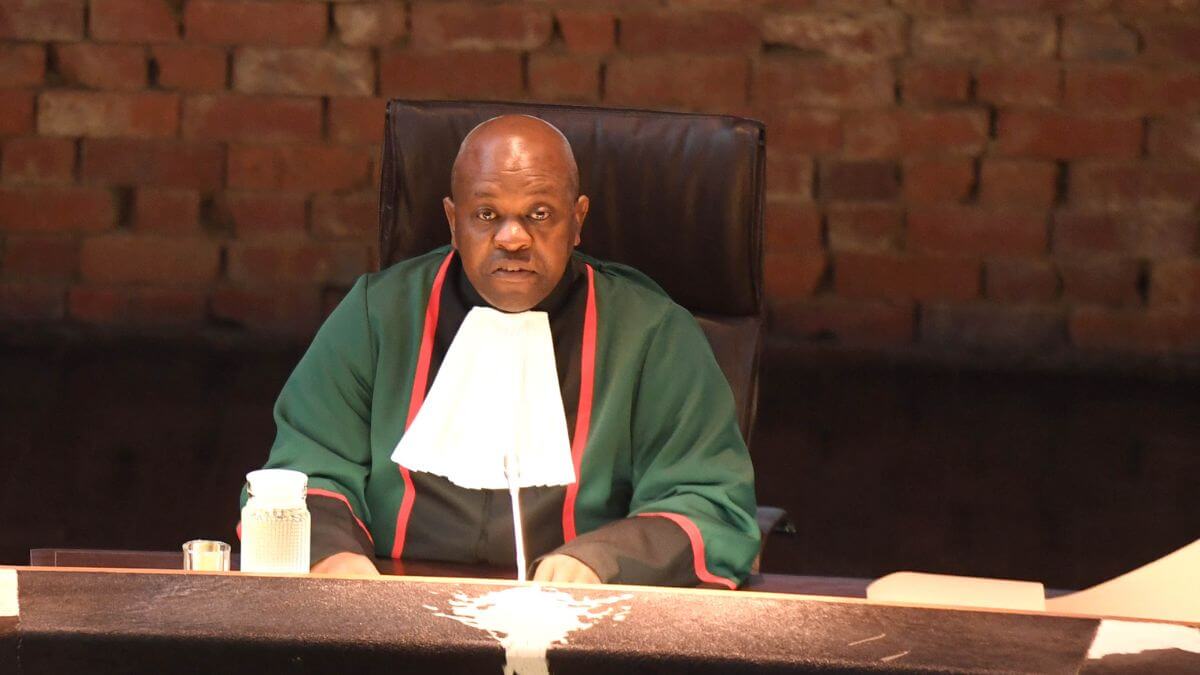
The Madlanga Commission resumes public hearings this week, marking a critical turning point in South Africa’s investigation into alleged criminality, corruption, and political interference within the police and criminal justice system. The next key witness to testify revealed includes senior law-enforcement leadership, with testimony expected to shape the outcome of phase two.
The hearings affect public trust in policing, political accountability, and the integrity of criminal investigations. Proceedings resume after a December recess, following the submission of an interim report to President Cyril Ramaphosa.
Madlanga Commission Resumes With Phase Two Hearings
The Madlanga Commission resumes formal proceedings three months after the first hearing. Justice Mbuyiseli Madlanga chairs the Judicial Commission of Inquiry, which began public hearings on 17 September.
According to the Commission secretariat, phase two hearings continue themes raised during late-2025 testimony, especially claims linked to political interference in specialised police units.
Key context:
- The Commission submitted an interim report on 17 December.
- The final deadline for completion stands at 17 March 2026.
- Public hearings restart following the December adjournment.
- About 37 witnesses have already testified since inception.
Commission spokesperson Jeremy Michaels confirmed that hearings resume at 9:30am today, with heightened security protocols in place.
Next Key Witness to Testify Revealed
The next key witness to testify revealed during the resumed hearings brings renewed attention to senior leadership within the Hawks.
On Tuesday, KwaZulu-Natal Hawks head Major-General Lesetja Senona appears before the Commission. Justice Madlanga issued a formal order on 26 November 2025 compelling Senona’s appearance.
Michaels confirmed the schedule in an official statement:
“Following the testimony in December 2025 of Police Minister Senzo Mchunu regarding the disbandment of the Political Killings Task Team, the Commission hearing will continue with evidence related to political interference.”
Senona’s appearance follows allegations raised by Witness X, whose testimony described an alleged relationship between Senona, tender tycoon Vusimuzi ‘Cat’ Matlala, and Matlala’s son.
Serious Allegations Under Examination
The Commission examines allegations raised by KwaZulu-Natal police commissioner Lieutenant-General Nhlanhla Mkhwanazi, alongside corroborating evidence from multiple witnesses.
Claims under scrutiny include:
- Political interference in policing decisions
- The disbandment of the Political Killings Task Team
- Alleged relationships between senior officers and private business interests
- Possible breaches of procurement and financial compliance processes
Witness X testified that Matlala appeared to facilitate or fund a property purchase linked to Senona’s son. Evidence presented included messages requesting Financial Intelligence Centre Act documentation for an offer to purchase.
All individuals named retain the right to respond under oath.
What the Interim Report Confirms
The interim report, delivered to the Presidency in December, outlines early findings without drawing final conclusions. According to Presidency briefings, the report highlights systemic weaknesses and recommends continued public hearings.
Legal analysts note that interim reports in judicial commissions often:
- Identify risk areas
- Summarise evidence trends
- Flag urgent governance concerns
Professor Pierre de Vos, constitutional law expert at the University of Cape Town, previously stated in public commentary that commissions serve as “a vital accountability mechanism when ordinary oversight structures face pressure”.
How Many Witnesses Have Testified So Far
Since inception, the Madlanga Commission has heard testimony from:
- 37 witnesses in total
- Nine witnesses during phase two proceedings
- 28 walk-in witnesses, according to Commission records
Dozens more witnesses are expected over the coming months. Due to security concerns, the Commission releases programme details on a rolling basis.
What This Means for the Public
The hearings affect policing integrity, political oversight, and criminal justice outcomes across South Africa.
Key implications:
- Evidence influences final recommendations to the President
- Findings shape future policing reforms
- Testimony affects public confidence in law-enforcement leadership
- Outcomes guide potential criminal or disciplinary processes
Judicial commissions lack prosecutorial power. However, recommendations often lead to criminal referrals, policy reform, and institutional restructuring.