South African Quick Brief (2026)
In short: This 2026 Gauteng utility guide helps residents plan around outages, schedules, and service disruptions with trusted references.
Who This Helps
- Residents affected by utility disruptions.
- Households planning around public-service changes.
- Readers needing quick context and next steps.
Action Funnel (Gauteng and South Africa)
- Use the quick summary to confirm your disruption or service context.
- Check official sources before making final decisions.
- Use linked hubs for broader outage and transport-service updates.
Entity Snapshot
- Public-service updates
- Power and utility context
- Official verification sources
- 2026 Gauteng planning context
- Service-disruption guidance
Fast FAQ
Should this guide replace official notices?
No. Use this guide for context and always confirm with official notices.
Is this updated for 2026 coverage intent?
Yes. It has been refreshed for 2026 search relevance and navigation.
Where can I track related disruptions?
Use the linked Traffic & Load Shedding Hub and News category pages.
Next Internal Steps
2026 Refresh: This guide has been updated for 2026 with stronger structure, South African context, improved internal links, and current source references. Last reviewed: 3 March 2026
Quick Answer (2026)
This 2026 utility and public-service guide helps Gauteng residents plan around disruptions and policy changes using trusted references.
What Changed for 2026
- Year-specific references were refreshed for 2026 search intent.
- Internal linking was aligned to current Gauteng.News hubs and categories.
- Official-source links were added to support verification before decisions.
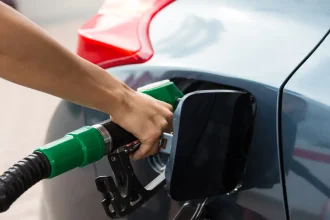
South African motorists are set to face even higher petrol prices in March 2026, continuing the price hikes that began in February. Early projections suggest that petrol and diesel prices will increase further, adding more strain on consumers.
Projected Petrol Price Increases for March 2026
According to the Central Energy Fund (CEF), the fuel price changes expected are as follows:
- Petrol 93: An increase of 40 cents per litre
- Petrol 95: An increase of 29 cents per litre
- Diesel 0.05%: An increase of 27 cents per litre
- Diesel 0.005%: An increase of 19 cents per litre
- Illuminating Paraffin: An increase of 40 cents per litre
These price increases will take effect at midnight on Tuesday, 4 March 2026.
Key Factors Impacting the Fuel Price Increases
Several factors are driving the rise in fuel prices:
- Global Oil Prices: The price of Brent crude oil has been increasing, mainly due to geopolitical instability and ongoing supply constraints. As of early February 2026, the price was recorded at $75.18 per barrel, contributing to higher fuel costs.
- Rand/Dollar Exchange Rate: The South African rand has weakened against the US dollar, making the importation of oil products more expensive. The rand/dollar exchange rate was R18.43/$ at the time of writing, further exacerbating the price hikes.
Impact on Consumers
These price increases mean that South African motorists will pay more at the pumps in March. For example, a 40-cent increase in petrol prices will cost an additional R18 for a 45-litre tank, or R24 for a 60-litre tank.
Possible Government Tax Increases
There is speculation that the government might increase fuel taxes in the upcoming Budget Speech. Analysts believe that both the General Fuel Levy and the Road Accident Fund (RAF) Levy could be raised, further pushing up the cost of fuel for consumers.
Outlook for the Rest of 2026
The outlook for fuel prices in the coming months remains uncertain. Some experts predict that fuel prices could stabilise towards the end of the year, while others warn of further increases, depending on global economic conditions and domestic factors.
Conclusion
South African motorists should prepare for another round of price hikes in March 2026, which will place additional financial strain on many households. With oil prices continuing to rise globally and the rand struggling against the dollar, it seems likely that fuel prices will remain high for the foreseeable future. These higher costs could have a ripple effect across the economy, increasing transport and goods prices, and leading to a greater financial burden on consumers.
Related article: Febuworry? Are Petrol Prices Set To Increase Again Next Month?
Official Sources for Verification
Related Gauteng.News Resources
More 2026 Guides
This page supersedes the earlier edition for search and user navigation.