South African Quick Brief (2026)
In short: This 2026 Gauteng utility guide helps residents plan around outages, schedules, and service disruptions with trusted references.
Who This Helps
- Residents affected by utility disruptions.
- Households planning around public-service changes.
- Readers needing quick context and next steps.
Action Funnel (Gauteng and South Africa)
- Use the quick summary to confirm your disruption or service context.
- Check official sources before making final decisions.
- Use linked hubs for broader outage and transport-service updates.
Entity Snapshot
- Public-service updates
- Power and utility context
- Official verification sources
- 2026 Gauteng planning context
- Service-disruption guidance
Fast FAQ
Should this guide replace official notices?
No. Use this guide for context and always confirm with official notices.
Is this updated for 2026 coverage intent?
Yes. It has been refreshed for 2026 search relevance and navigation.
Where can I track related disruptions?
Use the linked Traffic & Load Shedding Hub and News category pages.
Next Internal Steps
2026 Refresh: This guide has been updated for 2026 with stronger structure, South African context, improved internal links, and current source references. Last reviewed: 3 March 2026
Quick Answer (2026)
This 2026 utility and public-service guide helps Gauteng residents plan around disruptions and policy changes using trusted references.
What Changed for 2026
- Year-specific references were refreshed for 2026 search intent.
- Internal linking was aligned to current Gauteng.News hubs and categories.
- Official-source links were added to support verification before decisions.
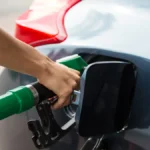
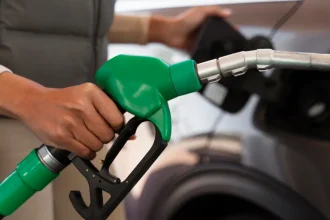
The start of 2026 has already brought unwelcome news for South African motorists, and February looks set to continue the trend. Early forecasts indicate a significant rise in February petrol prices, impacting both petrol and diesel. These adjustments come against the backdrop of global economic shifts, fluctuating oil prices, and a weakened rand, which have combined to create a perfect storm for South African fuel costs. With the official adjustments taking effect on Wednesday, 5 February 2026, consumers should prepare for a tighter squeeze on their wallets.
February Petrol Price: Another Blow for Consumers
If forecasts hold true, February will mark the second consecutive month of fuel price hikes. January already brought sharp increases, driven by international oil price fluctuations and the rand’s depreciation. Petrol prices rose by 12 cents per litre for 95 Unleaded and 19 cents for 93 Unleaded, bringing prices to R21.59 and R21.34 per litre, respectively. Diesel prices also climbed, with wholesale rates for 50ppm and 500ppm increasing by 10.5 and 7.5 cents per litre.
February’s Expected Price Adjustments
The Central Energy Fund’s (CEF) latest data suggests even more significant hikes in February:
- Petrol 93: 69 cents per litre increase
- Petrol 95: 65 cents per litre increase
- Diesel 0.05% (wholesale): 70 cents per litre increase
- Diesel 0.005% (wholesale): 74 cents per litre increase
- Illuminating Paraffin: 52 cents per litre increase
For an average tank of petrol, these adjustments could cost motorists between R28 and R53 more, depending on vehicle size. Diesel price hikes are also likely to drive up transport costs for goods, food, and resources, further straining consumers.
Key Drivers: Oil Prices and Exchange Rates
Fuel price adjustments in South Africa are closely tied to global oil prices and the rand/dollar exchange rate. A weaker rand, combined with rising crude oil prices, has been the primary driver of the current under-recovery trend, which started in November 2026.
China’s anticipated economic growth in 2026 is expected to boost global oil demand. President Xi Jinping’s recent announcement of proactive measures to encourage growth has already affected oil prices. Meanwhile, ongoing supply concerns due to sanctions on Russia and Iran are adding to the upward pressure on crude prices.
Domestically, the rand’s value continues to struggle against the US dollar. With the rand trading at R18.87 to the dollar as of 8 January 2026, the strong dollar is compounding local challenges.
Official Adjustments Pending
While the CEF’s data provides a glimpse of what to expect, final fuel price adjustments will also account for factors like the slate levy and retail margin changes. These updates will be confirmed by the Department of Mineral Resources and Energy, with new prices officially taking effect on 5 February 2026.
Brace for Tough Times Ahead
The February petrol price increases will likely have widespread implications for South Africans. Beyond higher transport costs, the ripple effects could impact food prices and the broader cost of living. As the rand continues to struggle and global oil dynamics evolve, South African motorists are urged to budget carefully for the months ahead. While there is hope for eventual stability, the immediate outlook suggests that 2026 will be a challenging year for consumers at the pump.
Related article: Febuworry? Are Petrol Prices Set To Increase Again Next Month?
Official Sources for Verification
Related Gauteng.News Resources
More 2026 Guides
This page supersedes the earlier edition for search and user navigation.