South African Quick Brief (2026)
In short: This 2026 Gauteng utility guide helps residents plan around outages, schedules, and service disruptions with trusted references.
Who This Helps
- Residents affected by utility disruptions.
- Households planning around public-service changes.
- Readers needing quick context and next steps.
Action Funnel (Gauteng and South Africa)
- Use the quick summary to confirm your disruption or service context.
- Check official sources before making final decisions.
- Use linked hubs for broader outage and transport-service updates.
Entity Snapshot
- Public-service updates
- Power and utility context
- Official verification sources
- 2026 Gauteng planning context
- Service-disruption guidance
Fast FAQ
Should this guide replace official notices?
No. Use this guide for context and always confirm with official notices.
Is this updated for 2026 coverage intent?
Yes. It has been refreshed for 2026 search relevance and navigation.
Where can I track related disruptions?
Use the linked Traffic & Load Shedding Hub and News category pages.
Next Internal Steps
2026 Refresh: This guide has been updated for 2026 with stronger structure, South African context, improved internal links, and current source references. Last reviewed: 3 March 2026
Quick Answer (2026)
This 2026 utility and public-service guide helps Gauteng residents plan around disruptions and policy changes using trusted references.
What Changed for 2026
- Year-specific references were refreshed for 2026 search intent.
- Internal linking was aligned to current Gauteng.News hubs and categories.
- Official-source links were added to support verification before decisions.
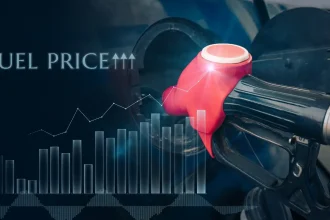
South African motorists are facing a mixed bag of fuel price adjustments in December, with minor petrol price reductions being overshadowed by significant hikes in diesel and illuminating paraffin costs. According to the latest data from the Central Energy Fund (CEF), factors such as a weakening rand and fluctuating global oil prices are driving these changes.
Minor Petrol Price Reductions
For petrol users, the news offers slight relief. Petrol 93 LRP is set to decrease by 13 cents per litre, while 95 ULP could drop by just 1 cent per litre. These adjustments reflect an ongoing but minimal over-recovery in petrol prices. However, the projected reductions are trending backward compared to earlier estimates in November, signaling a weakening outlook.
While the marginal cuts may ease costs for some, they are unlikely to make a significant dent in motorists’ expenses, particularly as diesel and paraffin prices climb.
Significant Diesel and Paraffin Hikes
Diesel prices are set to rise sharply, with wholesale diesel 0.05% increasing by 44 cents per litre and diesel 0.005% climbing by 43 cents per litre. Illuminating paraffin, a vital fuel for many South African households, is also expected to increase by 41 cents per litre.
The diesel hikes are particularly concerning, as they will likely lead to higher costs in transport and logistics, which may trickle down to consumers in the form of rising food and goods prices.
Expected Price Changes
Here’s a detailed look at the anticipated changes for December:
- Petrol 93: Decrease of 13 cents per litre
- Petrol 95: Decrease of 1 cent per litre
- Diesel 0.05% (wholesale): Increase of 44 cents per litre
- Diesel 0.005% (wholesale): Increase of 43 cents per litre
- Illuminating paraffin: Increase of 41 cents per litre
The Rand’s Volatility
The rand has experienced a tumultuous November, with its value dropping significantly against the US dollar. Earlier in the month, the rand breached the R18.00 to the dollar level, a sharp contrast to its performance in October, where it traded closer to R17.50.
The currency’s decline has been influenced by several factors:
- US Dollar Strength: The dollar has remained strong amid geopolitical uncertainties and a resilient U.S. economy.
- Global Sentiment: Emerging markets, including South Africa, have been under pressure, particularly as markets digest the implications of U.S. policies and international conflicts.
- Local Economic Factors: While South Africa received a boost from S&P Global’s positive credit outlook, this was not enough to sustain lasting gains for the rand.
Economists anticipate further volatility, especially with upcoming decisions by the South African Reserve Bank (SARB) and potential interest rate adjustments.
Oil Market Trends
Global oil prices have also played a significant role in driving up local fuel costs. November saw oil prices climb to around $73 per barrel, recovering from earlier levels near $70. The increase has been attributed to several factors:
- Geopolitical Tensions: The ongoing conflict in Ukraine has raised concerns about potential disruptions to Russian oil exports, which could exacerbate supply issues.
- Chinese Demand Recovery: China’s crude oil imports are nearing record highs, signaling robust demand that is influencing global market sentiment.
- Supply and Export Dynamics: Iraq’s record fuel oil exports and rising U.S. crude inventories have introduced some balancing effects, but these are insufficient to offset the upward pressure on prices entirely.
Market analysts remain divided on the outlook. While increased exports from Iraq may help ease supply concerns, the possibility of further geopolitical disruptions and rising demand from major economies could sustain higher oil prices in the coming months.
Broader Implications
The interplay between local currency performance and global oil dynamics presents a challenging environment for South African consumers. Higher diesel prices are expected to increase operating costs in key sectors, from agriculture to freight, which could result in widespread price hikes for goods and services.
On the household front, the rise in illuminating paraffin prices will add to the financial burden of many South Africans, particularly in lower-income communities that rely heavily on this fuel for heating and cooking.
December’s fuel price adjustments highlight the complexities of South Africa’s economic landscape. While petrol users might see a slight reprieve, the sharp rise in diesel and paraffin costs underscores the challenges posed by a volatile rand and global oil market fluctuations.
Motorists and businesses alike will need to brace for the ripple effects of these changes as fuel price volatility continues to shape the economic outlook in the coming months.
Related article: Petrol Price Decrease for September 2026
Official Sources for Verification
Related Gauteng.News Resources
More 2026 Guides
This page supersedes the earlier edition for search and user navigation.