In Gauteng, the idea of fitness often collides with reality. Long hours on the road. Desk-bound workdays. Load shedding disruptions. Rising living costs. By the time most people get home, the motivation to squeeze in a workout has already worn off.
That is why the fitness conversation heading into 2026 is shifting. Instead of extreme routines and intimidating gym culture, health experts are pushing something far more practical: movement that fits into daily life and actually lasts.
For Gauteng residents, this matters. The province continues to see rising cases of lifestyle-related conditions such as high blood pressure, diabetes, chronic back pain, and joint issues. Exercise is no longer about aesthetics. It is about function, longevity, and mental resilience.
Here are 10 fitness tips for 2026, grounded in evidence, built around real exercises, and designed to work in Gauteng homes, parks, and neighbourhoods.
ALSO READ: 10 Foods to Avoid to Maintain A Healthy Heart
1. Stop “Just Walking” and Start Training Your Walk
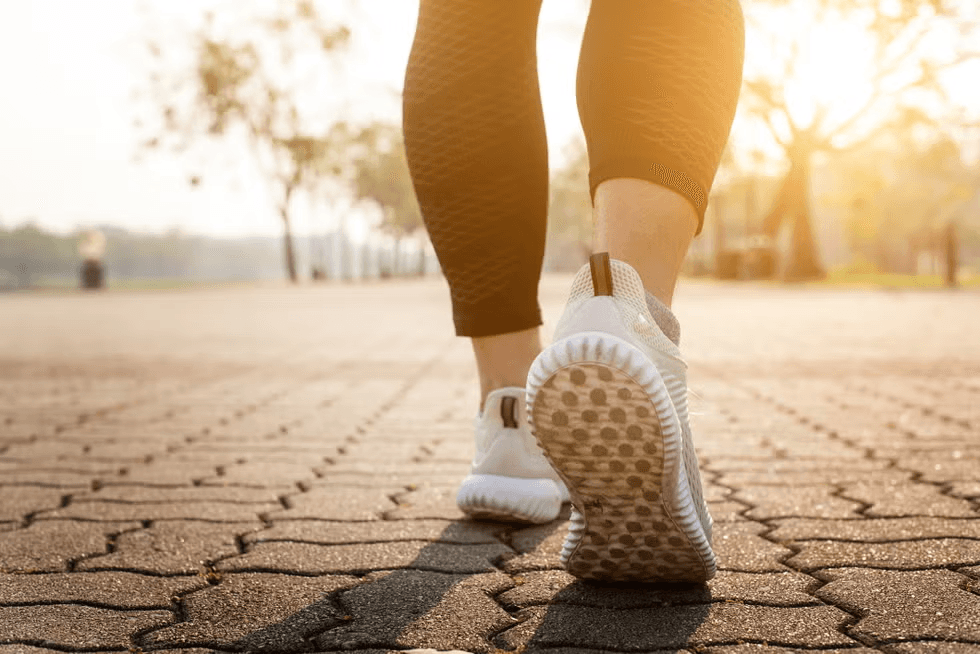
Walking is already one of the most common forms of movement in Gauteng. People walk through malls, taxi ranks, office parks, and residential streets every day. The problem is not the walking. It is the lack of intention.
One method gaining traction globally is interval walking, also known as Japanese walking. Instead of keeping one steady pace, walkers alternate intensity.
Walk fast for three minutes, then slow down for three minutes, repeating the cycle for at least 30 minutes.
Researchers have found that this simple shift improves cardiovascular health and leg strength more effectively than casual strolling. To increase the benefit even further, add walking lunges every five minutes.
Take ten long steps forward, lowering into a lunge each time. It turns an everyday walk into a lower-body workout without adding extra time.
2. Use the Run-Walk Method to Build Fitness Without Burnout
Running still carries a reputation for being punishing. For beginners, that reputation often stops them from starting at all.
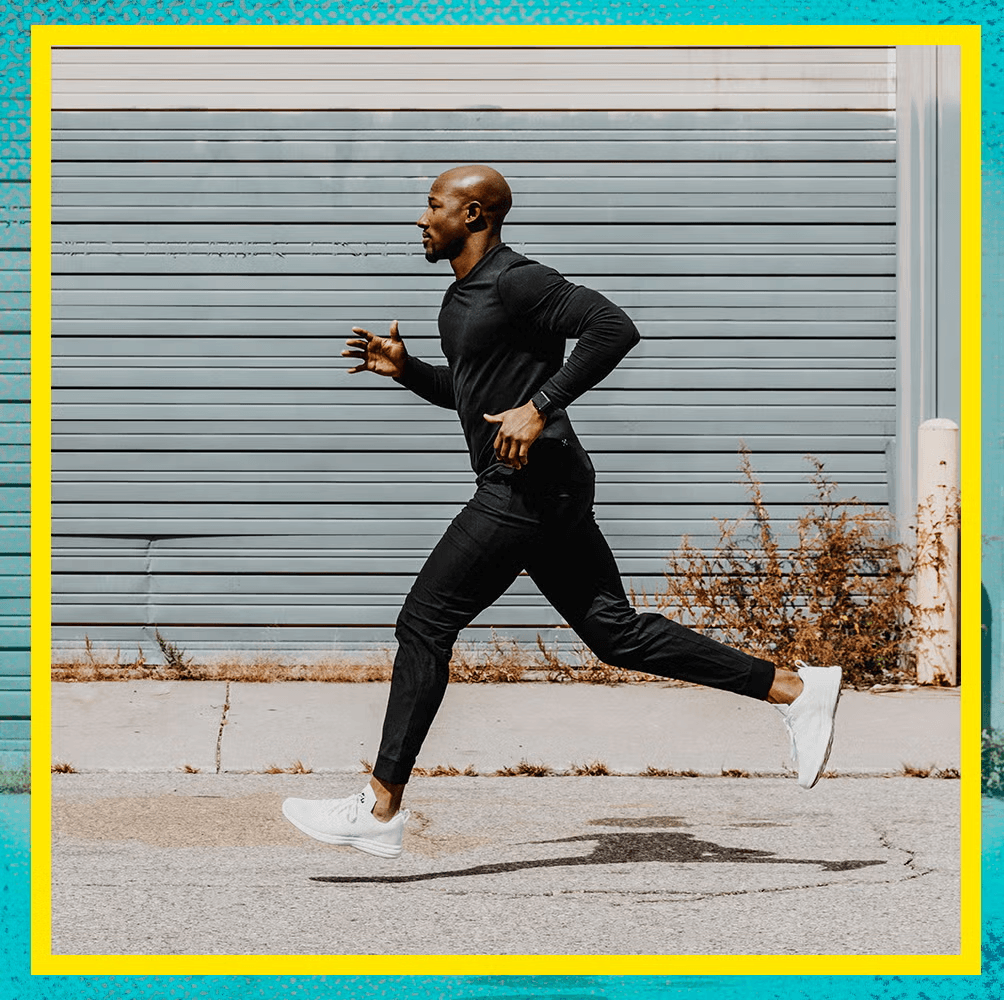
The run-walk method breaks that barrier. Instead of running continuously, you alternate short bursts of jogging with walking recovery.
Start with 30 seconds of jogging, followed by two minutes of walking. Repeat the cycle for 20 to 30 minutes. As fitness improves, shorten the walking intervals.
This approach reduces joint strain and works particularly well on Gauteng’s uneven pavements and mixed terrain. It also builds confidence, which is often the missing ingredient in long-term fitness.
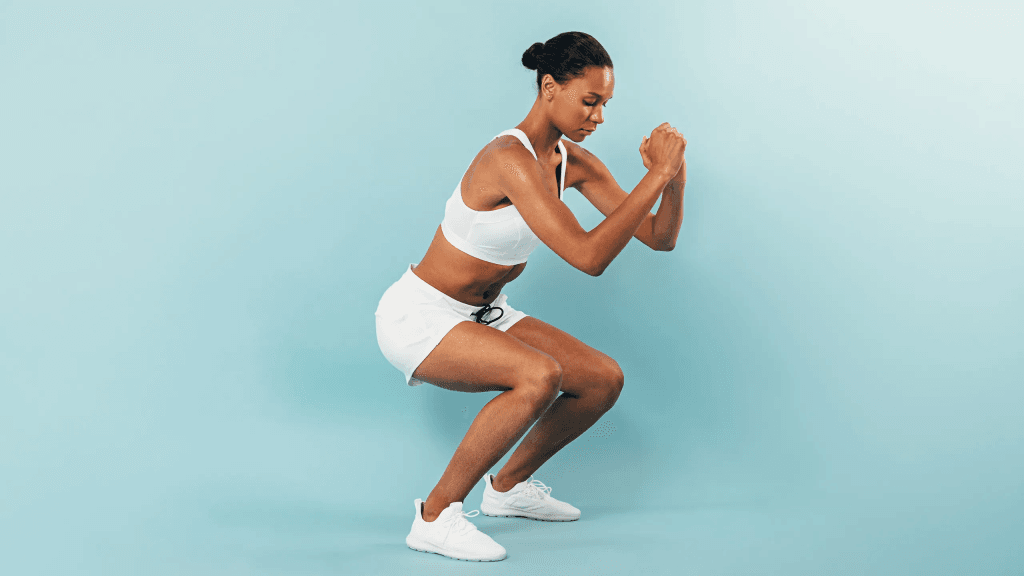
3. Build Strength at Home With Squats
Strength training remains one of the most powerful tools for long-term health, yet many people avoid it because they associate it with heavy equipment.
Bodyweight squats challenge that assumption.
Standing with feet slightly wider than shoulder-width, push your hips back as if sitting into a chair. Lower until your thighs are parallel to the ground, then stand up through your heels.
Squats strengthen the legs, hips and core while also increasing mobility in the lower back. Completing three sets of 20 squats several times a week improves functional strength that carries into everyday tasks, from climbing stairs to lifting groceries.
4. Use Push-Ups to Strengthen More Than Just Your Arms
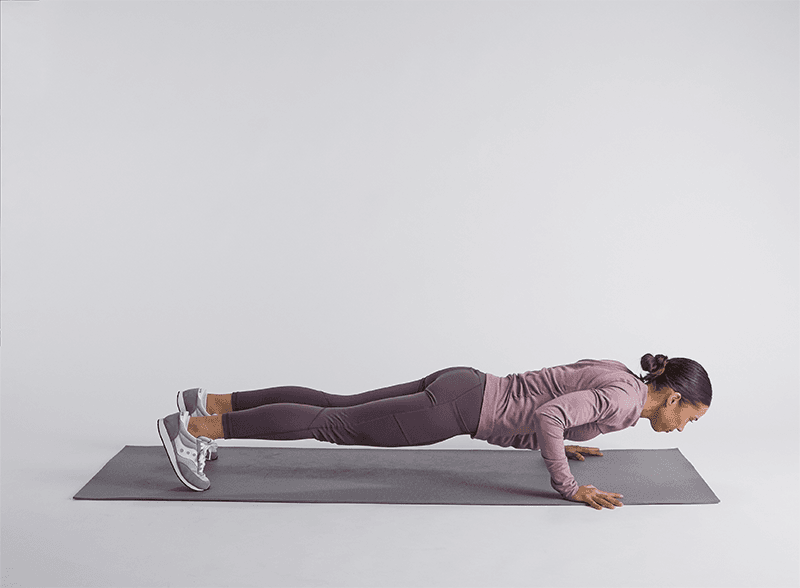
Few exercises work as efficiently as a push-up. In one movement, you engage the chest, shoulders, arms, core and glutes.
Start in a plank position. Lower your chest toward the floor, keeping your body straight, then push back up. Beginners can drop to their knees without losing the benefits.
Aim for three sets, performing as many controlled repetitions as possible. Push-ups build upper-body strength while also training core stability, a key factor in preventing back pain.
5. Protect Your Knees by Strengthening Them With Lunges
Knee pain is one of the most common reasons people stop exercising. Ironically, avoiding movement often makes the problem worse.
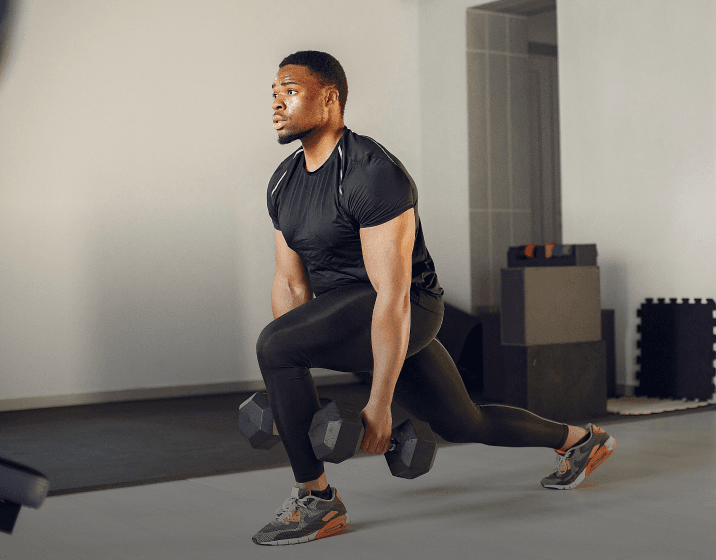
Research consistently shows that strength training around the knee joint reduces pain and improves stability. Forward lunges play a central role.
Step forward into a deep lunge, keeping your front knee aligned with your foot. Push back to standing and repeat on the other leg. Completing three sets of 10 lunges per leg strengthens the muscles that support the knee and absorb impact during walking and running.
6. Fix Your Posture With Rows
Hours spent driving or sitting at a desk take a toll on posture. Rounded shoulders and weak upper backs contribute to neck pain and tension headaches.
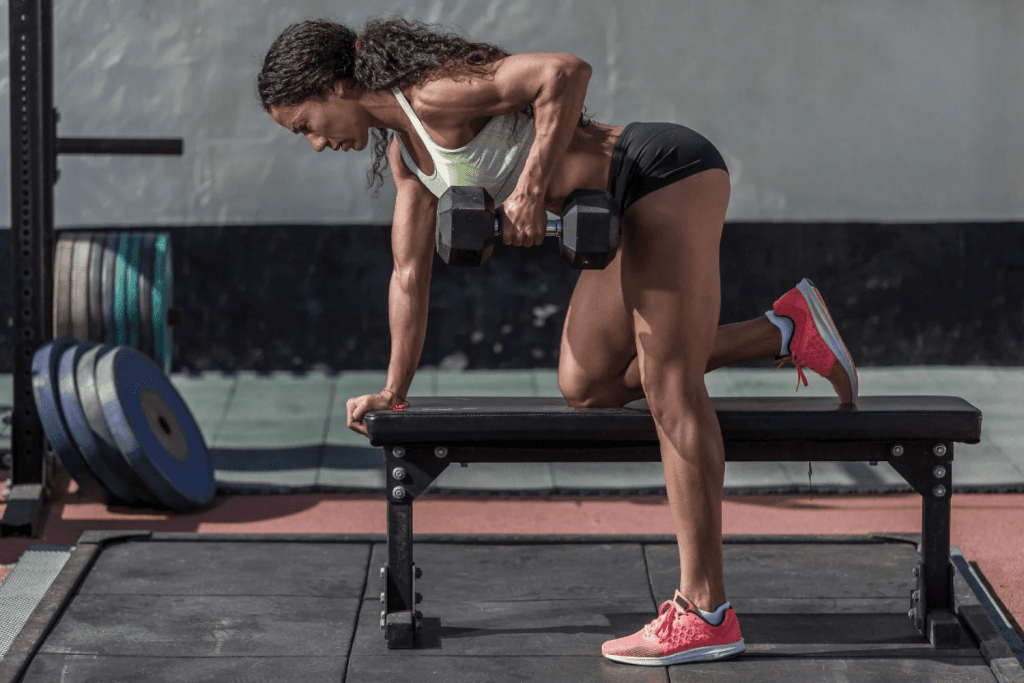
Dumbbell rows directly address this imbalance.
Bend forward at the waist with a flat back. Pull a dumbbell or household weight toward your chest, squeezing your shoulder blades together. Lower with control.
This movement strengthens the upper back and improves posture, making it especially valuable for Gauteng’s office-heavy workforce.
7. Train Balance Before You Lose It
Balance is often overlooked until it becomes a problem. Yet it plays a crucial role in injury prevention, particularly as people age.
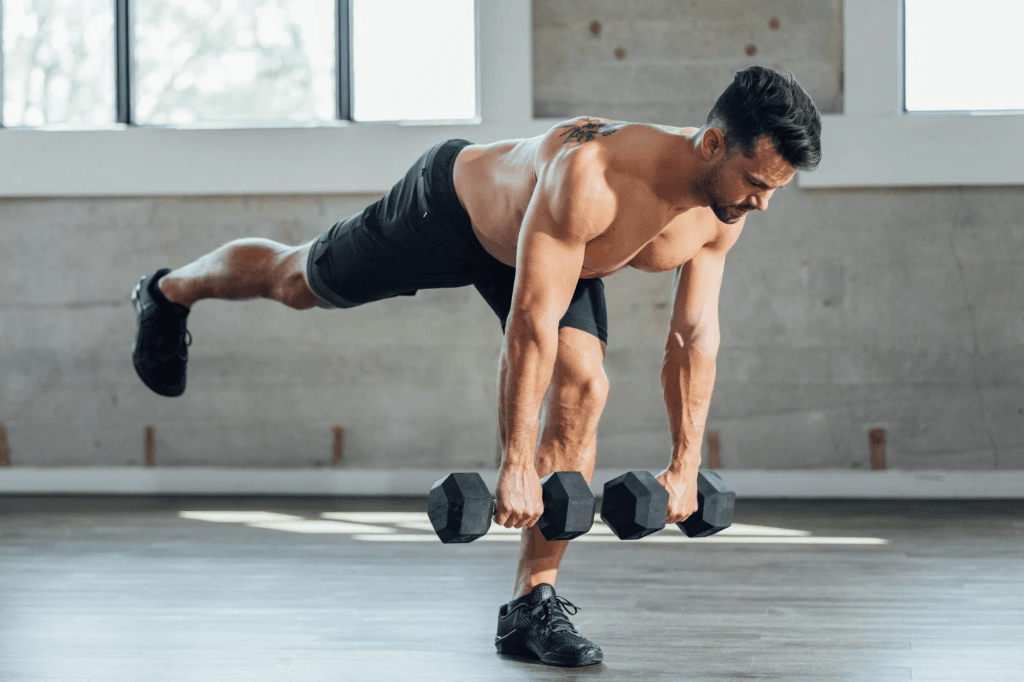
Single-leg deadlifts challenge balance while strengthening the hamstrings and glutes.
Standing on one leg, hinge forward at the hips while lowering a weight toward the ground. Return to standing slowly. Completing three sets of 10 repetitions per side improves coordination and joint control.
8. Get Maximum Impact From Burpees
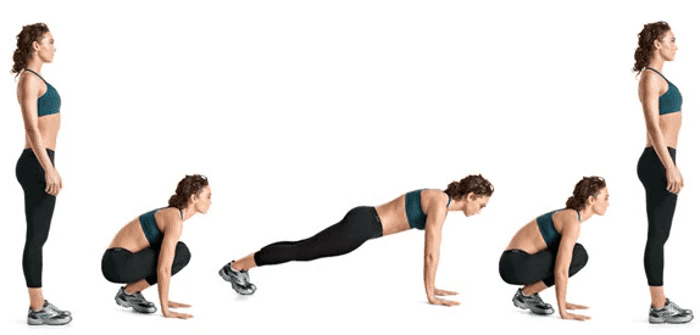
Burpees have a reputation for being brutal, but they remain one of the most efficient full-body exercises available.
From standing, drop into a squat, place your hands on the floor, move into a plank position, then return to standing with a small jump. Beginners can step instead of jump.
Just three sets of 10 burpees elevate heart rate, build strength and improve cardiovascular endurance in under 10 minutes.
9. Build a Core That Protects Your Back
A weak core contributes to lower back pain, poor posture, and limited mobility.
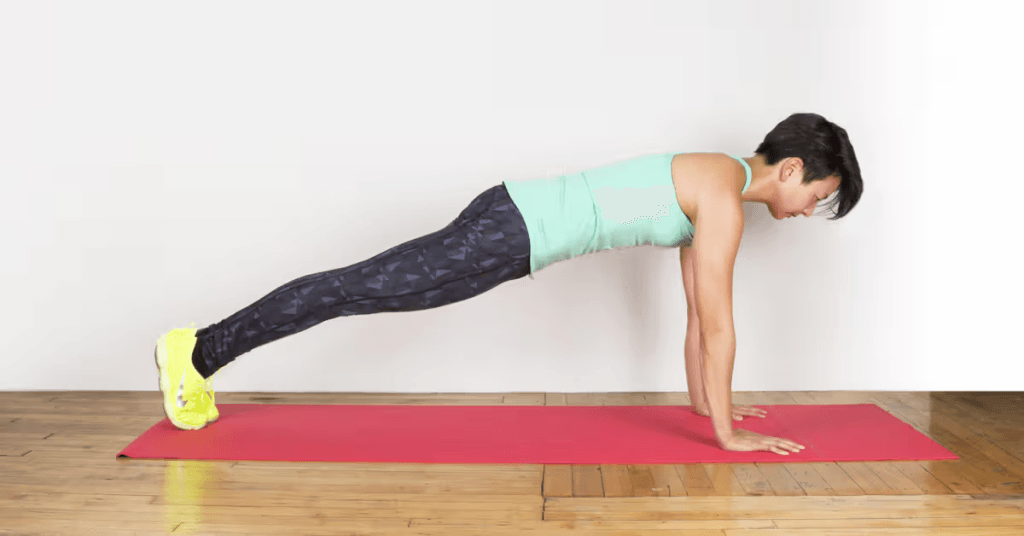
Planks address this without stressing the spine.
Hold a high plank position for 30 seconds, keeping your body in a straight line. Follow with side planks, holding each side for 20 to 30 seconds.
These exercises train the deep stabilising muscles that support everyday movement.
10. Strengthen the Muscles You Sit On All Day
Long periods of sitting weaken the glutes, which in turn strain the lower back.
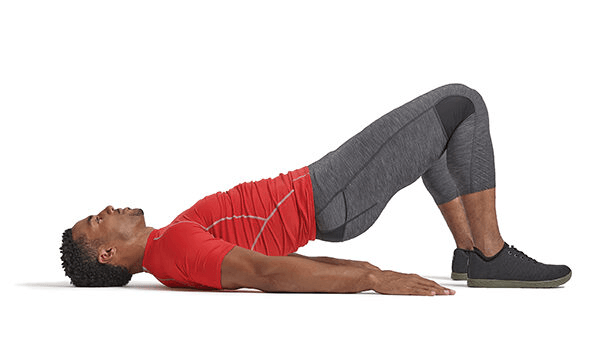
Glute bridges reverse that damage.
Lying on your back with knees bent, push through your heels and lift your hips toward the ceiling. Pause briefly at the top, then lower.
Completing three sets of 12 repetitions activates the posterior chain and improves hip stability.
Why This Fitness Shift Matters for Gauteng in 2026
These exercises share one defining feature: accessibility. They do not require gyms, expensive equipment, or perfect conditions. They work during load shedding. They work in small spaces. They work for beginners and experienced movers alike.
Health experts increasingly agree that the future of fitness lies in consistency, not intensity. Small, repeatable movements deliver bigger long-term benefits than sporadic bursts of extreme effort.
Pick five exercises from this list and commit to doing them three times a week for the next 21 days. Pair them with structured walking or run-walk intervals on alternate days. Track your progress, not in weight or appearance, but in strength, energy and mobility.
A healthier Gauteng in 2026 will not be built in gyms alone. It will be built in living rooms, parks, pavements, and communities by people who choose movement that fits their lives and stick with it.