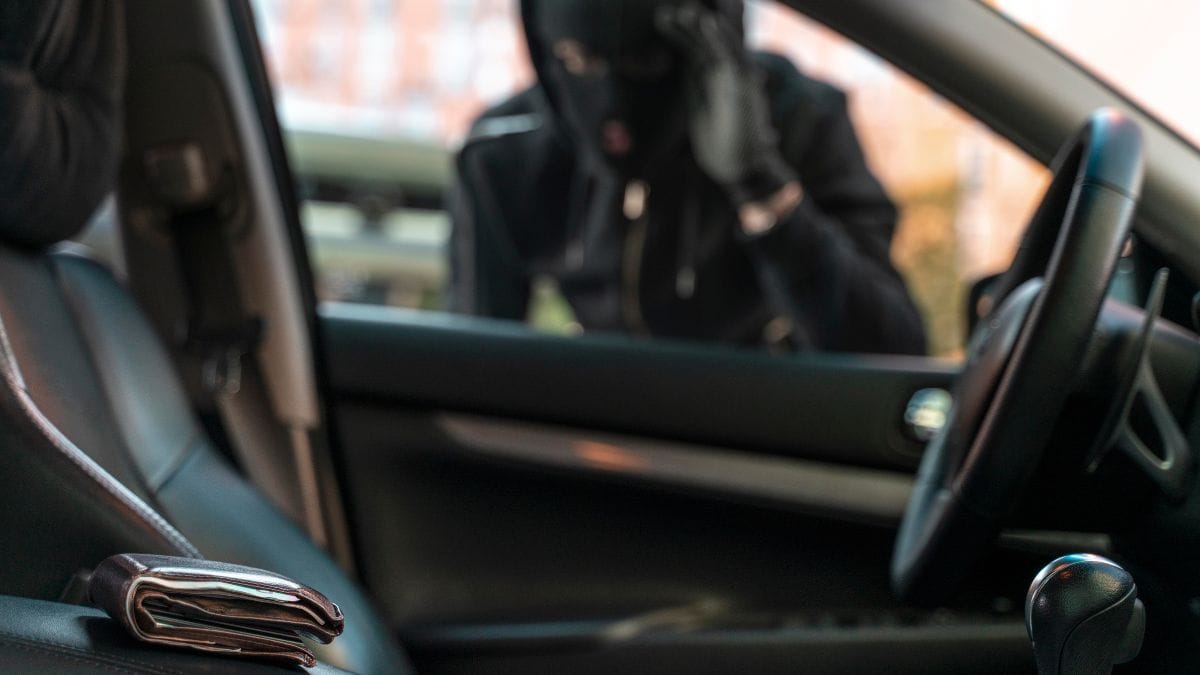
Car hijackings are not just a crime issue. In Gauteng, they are fueling a growing mental health crisis. While crime stats dominate headlines, the silent trauma that victims face often goes unspoken.
The Overlooked Mental Health Crisis in Gauteng
Car hijackings leave deep psychological wounds. In Gauteng, which has some of the highest hijacking rates in South Africa, survivors live in fear. They battle anxiety, hypervigilance, and symptoms of post-traumatic stress disorder (PTSD).
ALSO READ: City of Tshwane Bus Routes & Timetable: Pretoria Central
Hijackings are more than a security concern. For victims, it marks the start of emotional recovery that often goes unsupported.
The Scope of Car Hijackings in South Africa
According to the South African Police Service (SAPS), an average of 50 to 60 vehicles are hijacked daily.
In 2023, Gauteng accounted for the highest number of incidents. Crime hotspots include Johannesburg, Pretoria, and Ekurhuleni.
The crime has become so rampant that many victims never report their experiences. As a result, the true emotional impact remains underrepresented in mental health statistics.
How Car Hijackings Fuel Trauma and Fear
The effects of hijackings extend far beyond the stolen vehicle:
- Victims often experience flashbacks and nightmares
- Many develop fear of driving alone or at night
- Children who witness hijackings may develop anxiety disorders
- Some survivors struggle to return to work or resume daily routines
According to the South African Federation for Mental Health (SAFMH), exposure to violence, such as hijackings, significantly increases the risk of mental illness.
“Violence must be recognised as a serious mental health issue,” SAFMH stated. “Victims need immediate and long-term support.”
Lack of Access to Mental Health Services
South Africa’s healthcare system is overstretched. Mental health services remain underfunded and under-prioritised. According to the National Planning Commission, 92% of individuals with mental health conditions do not receive treatment.
In the aftermath of hijackings, many victims do not know where to turn. Trauma counselling is not always offered by police or hospitals. Private therapy is expensive, and most public facilities lack the resources.
“We need to integrate trauma response into primary healthcare,” said Dr Siki Gwanya-Mdletye, chair of SASOP. “One-on-one consultations are not enough.”
Mental Health Crisis: More Than Just a Buzzword
The mental health crisis in South Africa, particularly Gauteng, is not new. But violent crimes like hijackings are escalating it. Victims need more than just advice on how to stay safe.
They need:
- Immediate trauma counselling after incidents
- Community-based mental health support
- Integration of mental health into SAPS and hospital protocols
- Public education on emotional first aid
Without these interventions, trauma will continue to fester.
What Can Be Done?
Addressing the mental health crisis caused by car hijackings requires collaboration. Law enforcement, healthcare providers, and civil society must act together.
Key recommendations:
- Train police and emergency staff in trauma-informed care
- Expand access to public counselling services
- Create trauma response units in hijacking hotspots
- Encourage victims to speak out and seek help
Public awareness campaigns can also play a crucial role in breaking the stigma around trauma and mental health.
ALSO READ: Best Medical Aid Schemes in South Africa for 2026
FAQ: Mental Health and Car Hijackings in South Africa
How common are car hijackings in Gauteng?
Gauteng sees the highest number of car hijackings in the country, with hotspots in Johannesburg and Pretoria.
What mental health issues do hijacking victims face?
Victims often suffer from PTSD, anxiety, panic attacks, and fear of public spaces.
Are mental health services available after a hijacking?
In most cases, no. Public services are limited, and private therapy is costly.
What should I do if I witness or experience a hijacking?
Seek immediate support from trauma centres or NGOs such as SADAG. Don’t delay reaching out.
Car hijackings are more than a crime wave. They are fuelling a silent but devastating mental health crisis in Gauteng and across South Africa. Without a national trauma response strategy, thousands will suffer in silence.
Let’s shift the focus from just prevention to healing.