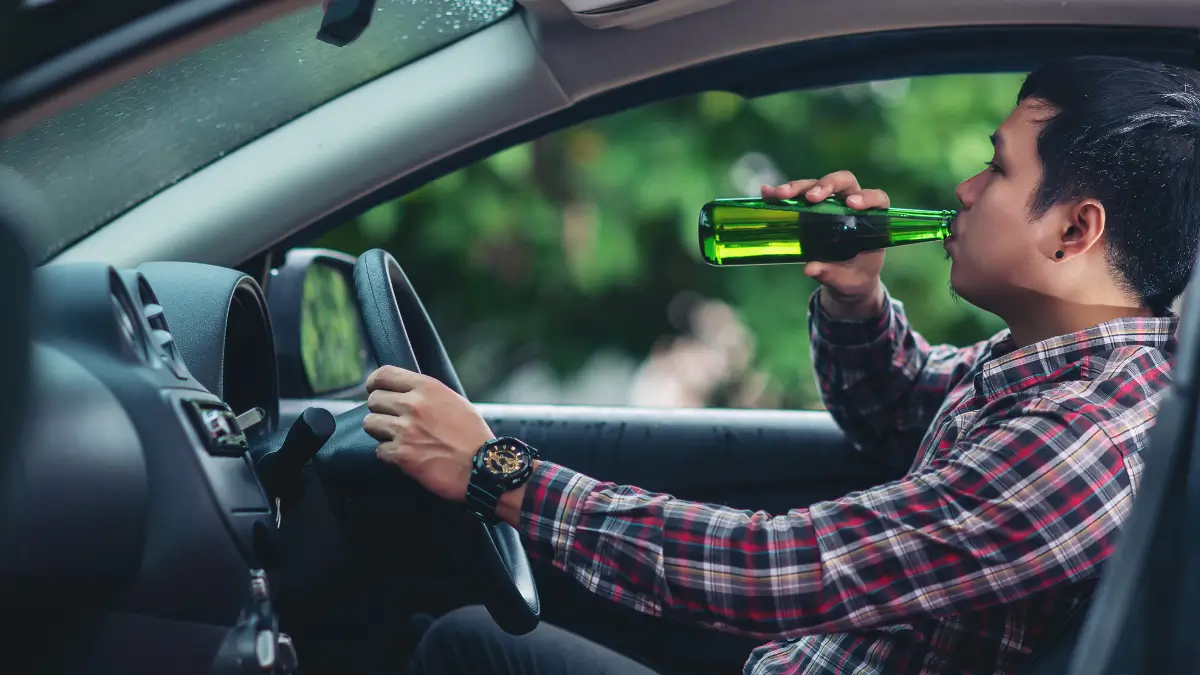
Motorists in Gauteng are being warned that car insurance claims can be rejected if an insurer believes there was drunk driving involved, even when no breathalyser or blood test was done at the scene. According to the National Financial Ombud Scheme, insurers rely on a wide range of evidence to assess whether alcohol impairment played a role in an accident. This matters now as roadblocks intensify across Gauteng and alcohol-related claims remain one of the leading causes of rejected payouts, leaving drivers financially exposed.
The warning comes as festive season enforcement ramps up in Johannesburg and other major metros, and as complaints to insurance ombuds continue to show that many motorists misunderstand how “under the influence” clauses work in insurance contracts.
ALSO READ: SA to Lower Drunk Driving Tolerance to Zero, Says Minister Creecy
Being Under The Limit Does Not Guarantee a Payout
The head of the National Financial Ombud Scheme, Reana Steyn, said insurers are not required to prove that a driver exceeded the legal blood alcohol limit to reject a claim.
Speaking on SAfm, Steyn explained that most insurance contracts contain a broad exclusion that prohibits driving “under the influence” of alcohol, a standard that is not limited to a specific blood alcohol reading.
“In the contract that you’ve signed and that you’ve agreed to, you’ve agreed to certain things as the insured,” she said.
“It’s not only exceeding the limit, but it’s also just a general statement under the influence.”
She added that once an insurer concludes that a driver was impaired, the claim can be rejected outright.
“If you drive under the influence, you will not be paid for your claim,” Steyn said.
How Insurers Investigate Alcohol-related Claims
Contrary to popular belief, insurers do not rely only on police breathalyser results or hospital blood tests. Steyn said companies assess the “totality of the evidence” surrounding an accident.
This can include:
- Statements from tow truck drivers, paramedics, and other first responders
- Witness accounts from people at the scene
- Police observations recorded in accident reports
- CCTV footage from nearby businesses or traffic cameras
- The driver’s movements before the crash
Insurers may also investigate where a motorist was before the incident, including restaurants, bars or private events.
Steyn said insurers are often forced to conduct extensive investigations because drivers frequently misrepresent what happened.
“They will gather information as to your whereabouts. They will investigate where you were, what you were doing, to try and see: were you under the influence?” she said.
This can include checking bank statements or card transactions to confirm alcohol purchases before the crash.
Drunk Driving Remains the Top Reason Claims are Rejected
Data from the Ombudsman for Short-Term Insurance shows that alcohol-related repudiations remain the single biggest source of consumer complaints.
According to the Ombudsman’s annual report:
- 9,962 complaints were received in one year
- 49.3% related to motor vehicle claims
- 74% of these involved accidental vehicle damage
- The majority of rejected claims were linked to alcohol use
The Ombudsman at the time, Deanne Wood, warned that many consumers incorrectly assume insurers need scientific proof of intoxication.
“There seems to be a belief that without a breathalyser or blood result, insurers cannot reject a claim. That is not correct,” Wood said.
She added that insurers only need to meet a civil standard of proof, showing, on a balance of probability, that alcohol impaired the driver.
Civil Proof, Not Criminal Proof
Insurance disputes are not judged on criminal standards. Unlike a criminal prosecution, insurers do not need to prove intoxication beyond a reasonable doubt.
Instead, they may rely on circumstantial evidence such as:
- The smell of alcohol
- Slurred speech or unsteady behaviour
- Inconsistent versions of events
- Witness statements placing the driver at a venue serving alcohol
- Damage patterns suggesting delayed reaction times
If this evidence points to impairment, insurers are legally entitled to repudiate the claim.
Rejected Claims Can Extend Beyond Your Own Car
A rejected claim not only causes damage to the insured vehicle.
According to the Ombudsman, insurers are also likely to reject third-party claims arising from the same incident. This means the driver may become personally liable for:
- Repairs to other vehicles
- Property damage
- Medical costs for injured third parties
- Legal fees if claims escalate
Wood warned that this financial exposure can be severe, especially in serious accidents.
What This Means for Gauteng Residents
For motorists in Gauteng — particularly those driving in Johannesburg, Tshwane, and Ekurhuleni, the implications are significant. With intensified roadblocks, expanded sobriety checkpoints, and increased surveillance on major routes, insurers have more corroborating evidence available than ever before.
Residents involved in accidents may find their insurers scrutinising their movements long before the crash, even if no alcohol test was performed at the scene. In a province with high traffic volumes and frequent enforcement operations, the likelihood of detailed post-accident investigations is increasing.
Gauteng Steps Up Drunk Driving Enforcement
Alcohol-related road fatalities remain a major concern in the province. Transport Minister Barbara Creecy highlighted the issue when releasing festive season fatality figures, noting that many drivers were “extremely under the influence” at all hours.
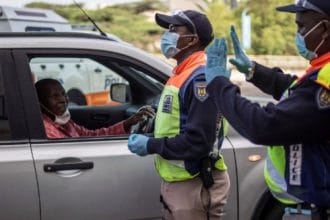
In response, the Johannesburg Metropolitan Police Department aligned its operations with the national Safer Festive Season Campaign.
The department said it would:
- Increase sobriety checkpoints across Johannesburg
- Deploy high-density, multi-disciplinary roadblocks
- Focus on major routes including the N1, N3, N12 and M1
- Run 24-hour speed and DUI enforcement on high-risk roads
Roadblocks are being conducted alongside the Road Traffic Management Corporation, Gauteng Traffic Police, and the South African Police Service.
Other Common Reasons Insurers Reject Claims
Alcohol is not the only trigger for repudiation. The Ombudsman’s report also highlighted misrepresentation as the second most common cause of rejected motor vehicle claims.
These include:
- Incorrect details about the regular driver
- Non-disclosure of previous claims or insurance history
- False information about vehicle use
- Inaccurate security or tracking details
Claims may also be rejected if a driver unlawfully leaves the scene of an accident.
FAQ
Do insurers need a breathalyser result to reject a claim?
No. Insurers can rely on circumstantial and witness evidence.
Can a claim be rejected if I was below the legal limit?
Yes. “Under the influence” clauses are broader than legal blood alcohol limits.
Can insurers check my bank statements?
Yes, if relevant to establishing your movements before the accident.
Will third-party claims still be paid?
Often not. Rejection may apply to both own-damage and third-party claims.
Can a rejected claim affect future insurance?
Yes. Drivers may face higher premiums or difficulty securing cover.
What Happens Next
As enforcement operations continue across Gauteng and insurers tighten post-accident investigations, alcohol-related claim repudiations are expected to remain a key source of disputes. Ombud offices continue to assess complaints on a case-by-case basis, but consistently uphold insurers’ rights where policy wording is clear, and evidence supports impairment.
For motorists, the trend points to stricter scrutiny, longer investigations and greater financial risk following alcohol-related crashes, particularly in Gauteng’s high-surveillance urban corridors.