Choosing the right paint colours creates a bedroom that feels like a restful retreat. While personal preference is key, certain hues frequently undermine the calming atmosphere you aim for in this intimate space. From overstimulating brights to overly gloomy tones, here are five colours many designers now recommend avoiding — and the reasoning behind it.
The 5 Worst Paint Colours for Bedrooms
1. Black and Charcoal
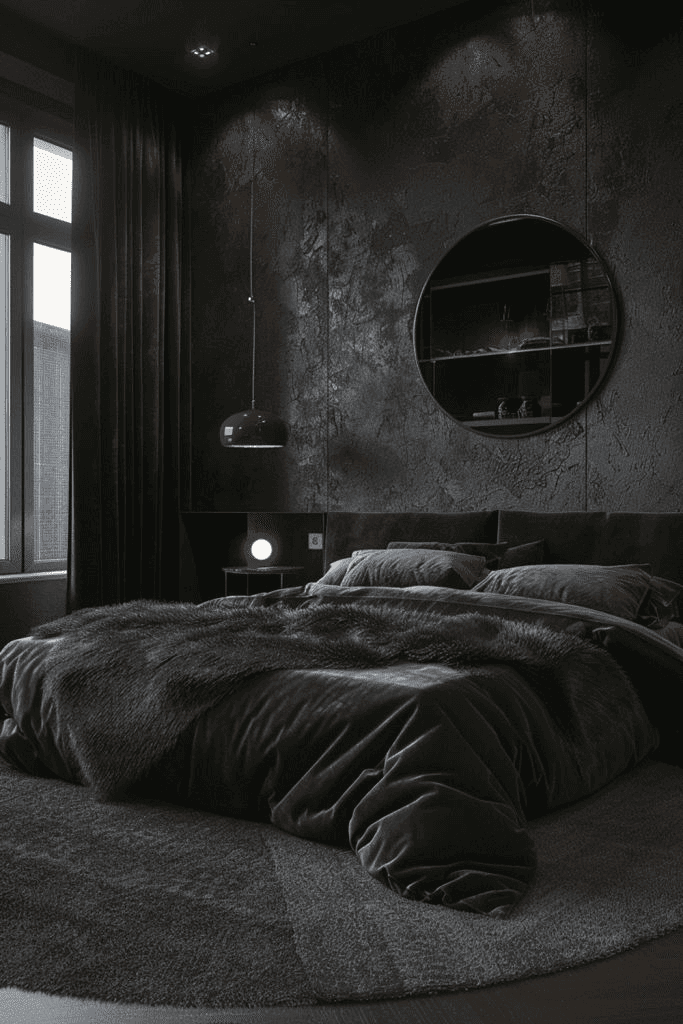
Dark hues like black or charcoal may seem chic or dramatic, but they often make bedrooms feel confined, gloomy, and heavy. A deep‑toned room can absorb light and visually shrink the space, especially if natural light is limited.
- Effect on mood: Darkness tends to evoke somber or oppressive feelings, which may hamper relaxation or restful sleep.
- Lighting challenge: If the room lacks sufficient natural or ambient light, dark walls can make the space feel small and cave‑like.
Alternative suggestion: Use warm earth tones, soft greiges, or integrate dark hues sparingly through accent décor rather than on all walls.
ALSO READ: 20 Clever Home Storage Ideas to Maximise Your Living Space
2. Bright Red / Bold Reds and Oranges

Vivid reds and oranges — including neon, fire‑engine red or saturated orange — are widely considered among the worst paint colours for bedrooms because of their energising, stimulating effect.
- Psychological activation: These colours tend to boost alertness, passion, even tension — not ideal when you want to unwind at day’s end.
- Colour-sleep interference: Strong warm hues can make it harder for the mind to switch off before sleep.
Alternative suggestion: If you crave warmth or personality, choose muted terra‑cotta, soft coral, or dusty terracotta — they add warmth without overwhelming the senses.
3. Bright Or Loud Yellows / Neon & Ultra‑Bright Hues

Bright yellows, neon greens, hot pinks or ultra‑bright hues may seem fun or vibrant, but they’re among the worst paint colours for bedrooms.
- Overstimulation: These hues activate the nervous system, increase alertness, and make it harder to wind down.
- Visual fatigue: Especially in rooms with large surface coverage, bright or neon colours can feel harsh, disorienting, or “busy.”
Alternative suggestion: Consider soft, muted versions — e.g. pastel yellows, gentle blushes, or use bright colours as small accents (pillows, art, trim) rather than wall colour.
4. Cool or Sterile Whites, Stark Whites, or Overly Cold Greys

Pure, bright white — or cool-toned grey — walls often feel too clinical, too sterile, or too “hospital‑like,” which isn’t ideal for a space meant for rest and comfort.
- Lack of warmth: Cool neutrals frequently lack the warmth or depth needed to make a bedroom feel cozy and inviting.
- Lighting and atmosphere issues: In evening light or low illumination, these shades can feel cold or unwelcoming, undermining the restful vibe.
Alternative suggestion: Opt for warm neutrals — off‑whites, warm greiges, soft taupes — that reflect light gently and foster calm without starkness.
5. Harsh, Saturated Purples, Dark Purples or Trendy / Overpowering Bold Shades
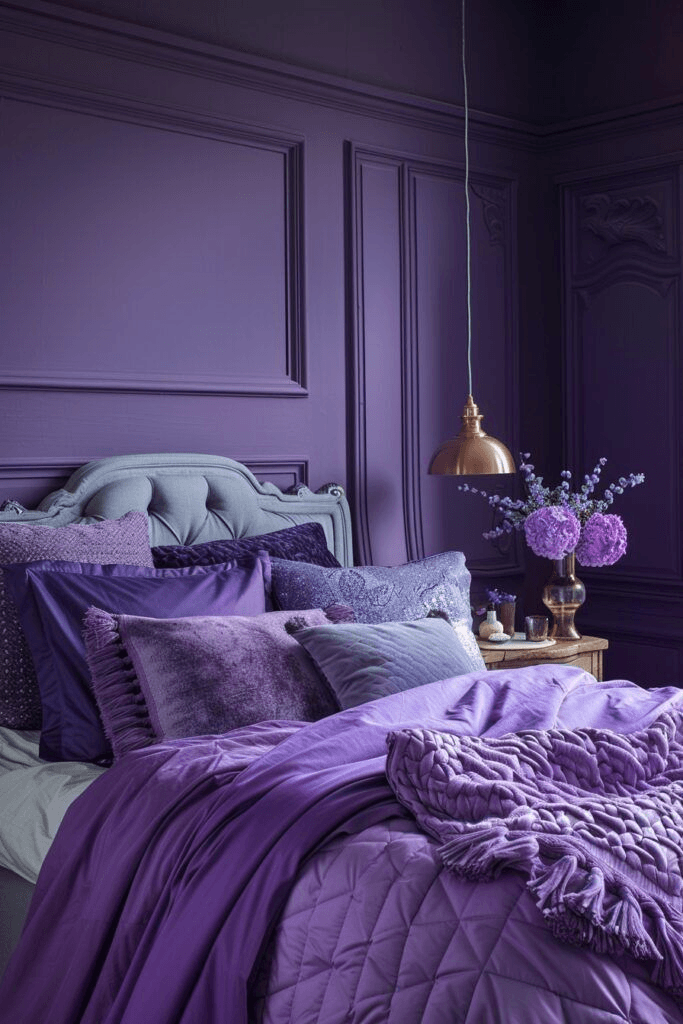
Intense purples, magentas, or overly saturated colours — once trendy for youth‑oriented décor — are increasingly seen as poor choices for bedrooms.
- Mood mismatch: Bold purples may feel dramatic or moody, which can work in certain spaces, but often feels too intense or emotionally heavy for restful sleep.
- Fading appeal & vibe shift: What feels trendy now might feel dated or overpowering later, making the room feel stale or visually “off.”
Alternative suggestion: If you like purple, consider muted mauve, dusty lavender, soft mauve‑grey, or other understated tones that maintain calm without being overwhelming.
Why These Colours Are Problematic — The Psychology & Practical Considerations
- Colour psychology matters: Bedrooms ideally promote relaxation, calm, and neutrality — colours that are overly stimulating (bright reds, oranges, neons) tend to keep your brain alert, increasing stress or restlessness.
- Lighting and mood shift: What looks fine on a paint‑chip or sample may look harsh or oppressive once it covers full walls — especially under different lighting (morning sun, artificial evening light, no light).
- Flexibility in décor & style: Bold, dominant wall colours limit flexibility — your bedding, decor, and furnishings must all match or balance such strong hues, which can quickly feel restrictive or clash.
- Sleep quality and mental well-being: Since a bedroom’s primary function is rest, paint choices should support tranquillity. Over-energising colours or gloom‑inducing dark tones can negatively affect mood, sleep hygiene, and overall comfort.
In short: a bedroom calls for emotional calm — not stimulation or drama.
Paint Colours Designers Recommend for Bedrooms — Peaceful, Timeless, Cosy
If you’re not sure what to choose, here are some paint colours and tones widely regarded as safe, soothing, and suitable for a restful bedroom retreat:
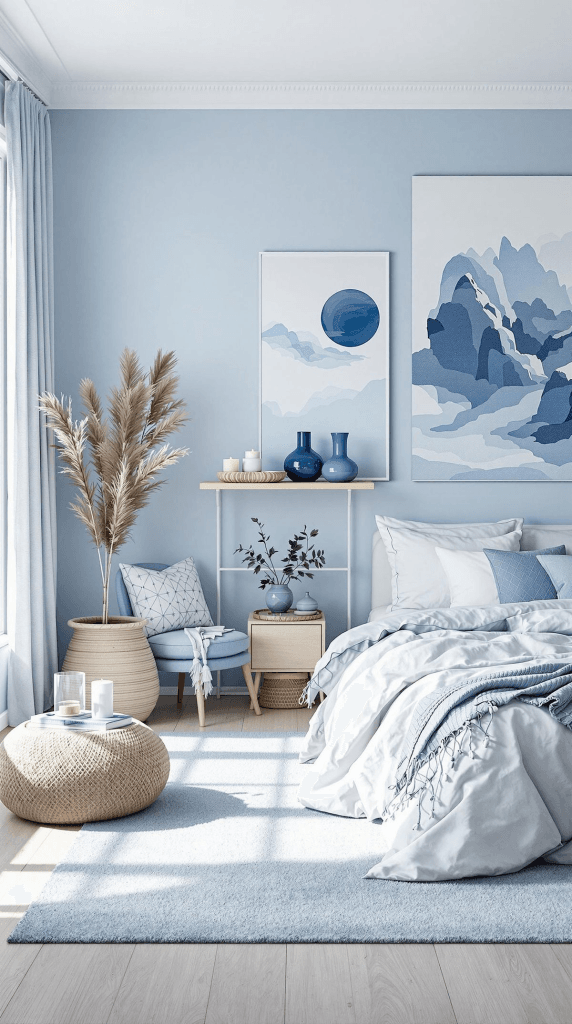
- Soft Blues & Pale Blues — Evoke calmness, lower blood pressure and heart rate, and are often considered among the best for sleep-promoting spaces.
- Gentle Greens / Sage Greens — Green evokes nature, balance, and tranquillity; muted sage or soft green shades help create a restful, grounded atmosphere.
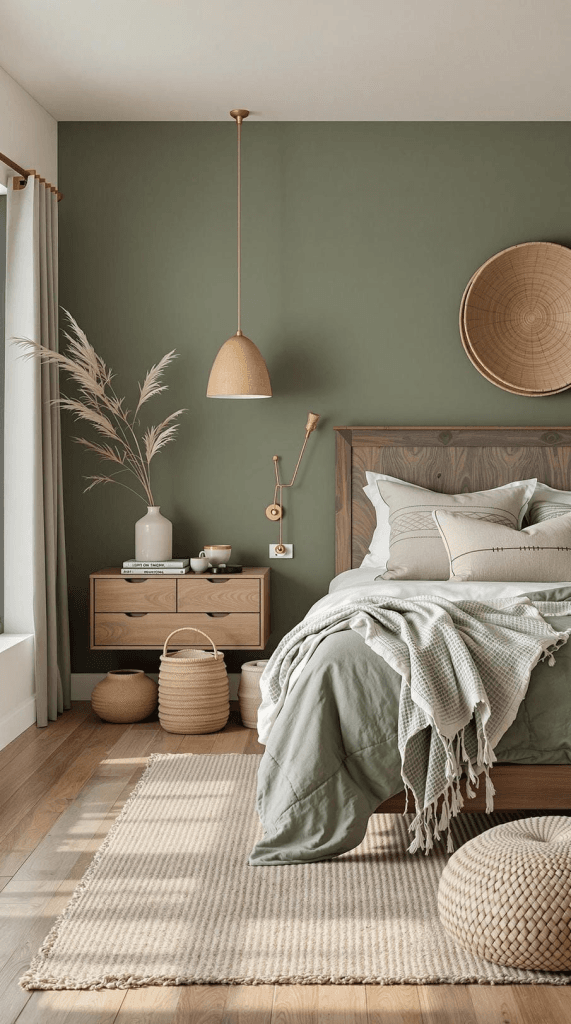
- Warm Neutrals: Beige, Greige, Soft Taupe, Warm Off‑White — Offer versatility, warmth, and subtlety. Great for those who want a timeless, cosy and airy feel.
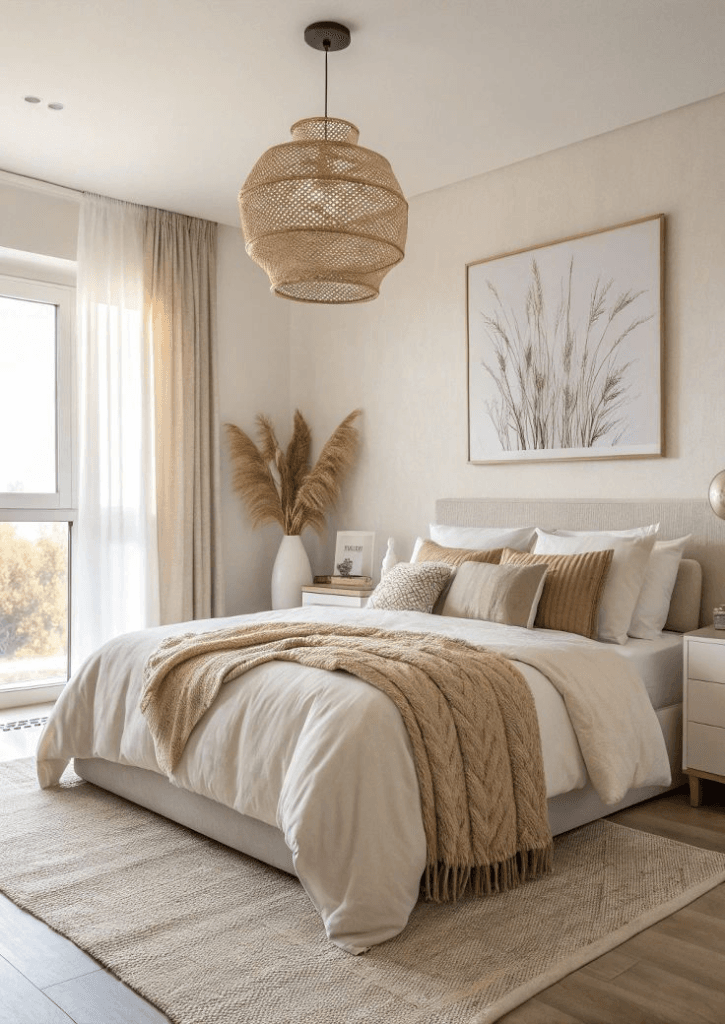
- Muted Terracotta / Soft Earthy Tones — Warm, grounded, and inviting without overstimulation. Ideal if you like warmth but want to avoid overly bright or bold colours.

- Dusty Mauves, Pale Mauves, Soft Pastel Pinks & Greys with Warm Undertones — For a gentle, slightly romantic or soft aesthetic that’s restful rather than dramatic.
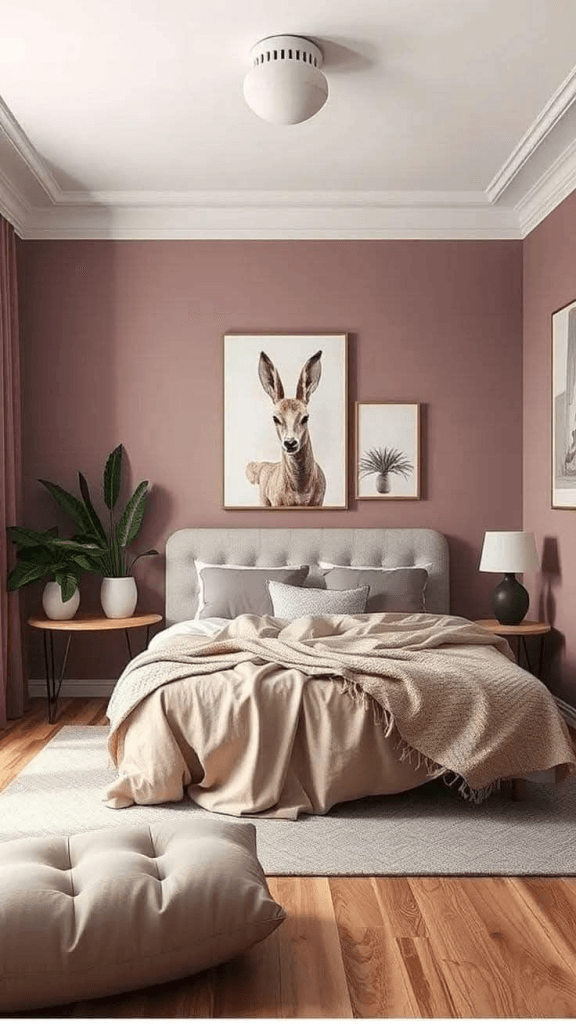
- Soft Teal / Muted Blue‑Greens / Balanced Blues with Green Undertones — Offer a touch of coolness and sophistication, while retaining calm and depth.
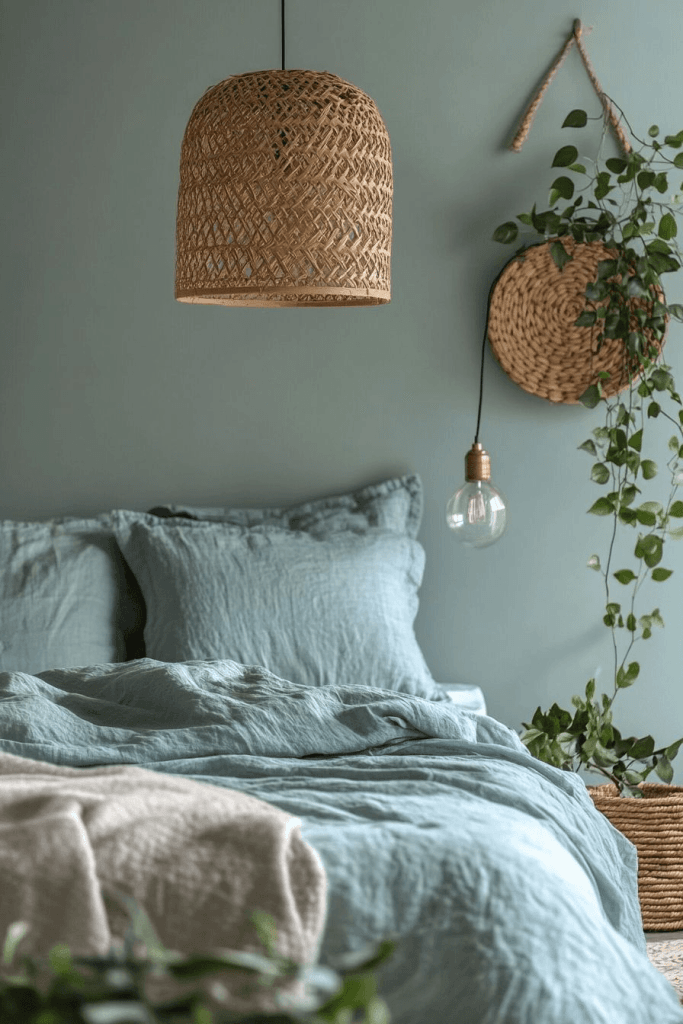
These colours tend to promote relaxation, a sense of space, and an inviting, restful ambience — ideal for a bedroom you want to retreat to at night.
Tips for Choosing the Right Shades to Create a Peaceful Retreat
- Test paint swatches in different lighting conditions: What looks soft and inviting in daylight may appear cold or harsh under artificial light — especially at night. This is why many experts suggest trying swatches on multiple walls and observing them over the course of a day.
- Consider undertones — not just primary colour labels: A “white” or “grey” can feel drastically different depending on whether it has cool (blue/green) or warm (beige, taupe) undertones. Warm‑tinged neutrals usually feel cosier and more inviting.
- Use bolder colours sparingly — as accents, not dominant walls: If you love a bold shade, consider using it on trim, a feature wall, or through soft furnishings — leaving the bulk of the room in a calmer hue to preserve balance.
- Match paint choices to room size and natural light: Smaller rooms or bedrooms with limited natural light benefit from lighter, warmer colours. Large rooms may tolerate deeper or more saturated, but still muted, tones.
- Think long‑term mood and flexibility: Avoid trendy or “fashionable” colours that may feel outdated — choose palettes that can adapt over time as your décor and tastes change. Earthy neutrals, soft pastels, and calming tones tend to age more gracefully.