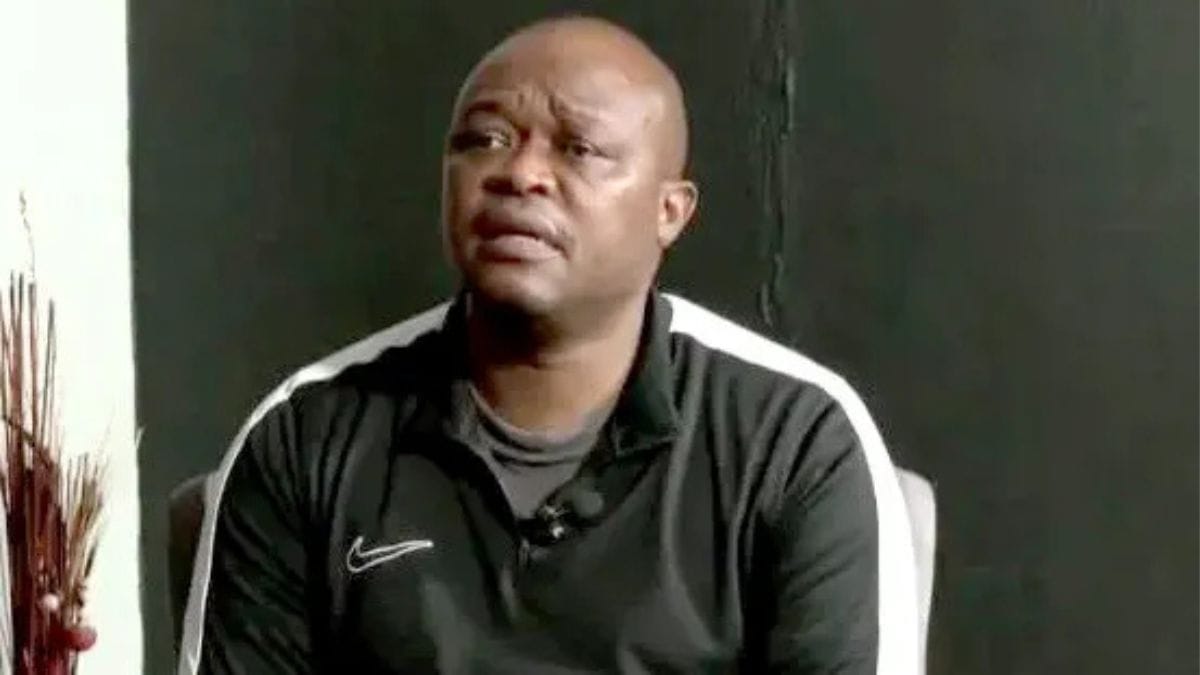
Brown Mogotsi has again placed himself at the centre of political controversy after telling Parliament to cover the cost of his private security before he appears before an ad hoc committee. The demand has triggered sharp reactions from MPs and renewed debate about accountability, witness obligations, and the limits of parliamentary accommodation.
The ad hoc committee investigates allegations of corruption, criminal infiltration, and political interference within South Africa’s criminal justice system. Brown Mogotsi stands accused of acting as a middleman who helped facilitate improper influence between politicians, law enforcement, and criminal networks.
Why Brown Mogotsi was expected to appear before Parliament
The ad hoc committee scheduled Mogotsi to testify on Thursday in Cape Town. MPs wanted clarity on his alleged role as a fixer who connected powerful individuals within the criminal justice system.
According to parliamentary officials, Mogotsi raised safety concerns ahead of the hearing. He requested to testify virtually instead of appearing in person. The committee had already rejected a similar request from private forensic investigator Paul O’Sullivan, signalling a firm stance on in-person testimony.
Parliamentary staff later confirmed that Mogotsi refused to provide his ID number for flight bookings. He insisted Parliament must pay for his private security team’s travel and accommodation for seven days before he would cooperate.
Brown Mogotsi’s security demand and Parliament’s response
Parliamentary staff member Vhonani Ramaano briefed MPs on the impasse during a housekeeping meeting.
“Mogotsi is not in a position to appear before the committee tomorrow,” Ramaano said. “He demanded we provide him with protection by his own people. He says he doesn’t want to be protected by people he doesn’t know.”
Parliamentary Protection Services offered to escort Mogotsi from the airport and provide official security in Cape Town. Mogotsi rejected the offer, insisting only his private security team was acceptable.
This refusal raised concerns about precedent. Parliament typically provides security for witnesses and MPs through its own services. It does not fund private protection unless exceptional circumstances apply.
ad hoc committee MPs push back against special treatment
Members of the ad hoc committee expressed frustration and warned against allowing witnesses to dictate terms.
MK Party MP Sibonelo Nomvalo said Mogotsi’s conduct amounted to non-cooperation.
“That’s not OK,” Nomvalo said. “The terms of reference are clear. This is a sign of refusal. The legal team must subpoena him to come here.”
EFF MP Leigh-Ann Mathys echoed this view and criticised the delays.
“Mogotsi should have been summoned a long time ago. These delays are a problem,” she said.
MPs also noted that all Members of Parliament rely on parliamentary security teams they do not personally know. They argued that Mogotsi does not deserve preferential treatment over elected representatives.
Legal options available to the ad hoc committee
The ad hoc committee now faces a decision on how to proceed if Mogotsi fails to appear. Parliamentary rules allow committees to issue subpoenas when witnesses refuse to cooperate.
Key options include:
- Issuing a formal subpoena compelling Mogotsi to appear
- Proceeding without his testimony using public submissions
- Referring non-compliance to the Speaker for enforcement action
Committee chairperson Soviet Lekganyane confirmed the inquiry will continue regardless of Mogotsi’s absence. Civil society organisations and members of the public will still present submissions.
Wider context involving Paul O’Sullivan
The committee also discussed the case of Paul O’Sullivan, who faces accusations of exerting undue influence within the criminal justice system. Parliamentary staff confirmed that the Speaker of the National Assembly is reviewing the process to issue a summons.
A final decision on O’Sullivan’s subpoena is expected within 48 hours. MPs view both matters as central to restoring public trust in South Africa’s justice institutions.
Why this case matters for parliamentary accountability
Brown Mogotsi’s demands highlight a broader issue around parliamentary authority and witness compliance. Committees rely on cooperation to fulfil their oversight role. Allowing witnesses to impose conditions risks undermining constitutional accountability.
South Africa’s Parliament has increased its use of ad hoc committees in recent years, particularly in high-profile corruption probes. According to parliamentary records, committees issued multiple subpoenas during the Zondo Commission era to prevent obstruction and delay.
Also Read: Madlanga Commission Resumes as Next Key Witness to Testify Revealed