High blood pressure remains one of the most common and least detected health risks affecting adults, often developing without noticeable symptoms. Known medically as hypertension, the condition quietly damages blood vessels over time and significantly increases the risk of heart disease, stroke, and kidney failure. Health authorities estimate that a large proportion of adults with high blood pressure are unaware they have it, making early detection and prevention a public health priority.
For Gauteng residents, where long commutes, work-related stress, and dietary pressures are common, lifestyle-driven hypertension continues to place a strain on households and the healthcare system.
ALSO READ: What are the Benefits of Green Tea? 10 Listed Benefits
Why High Blood Pressure Matters Even When You Feel Fine
Hypertension is widely referred to as a silent killer because it can exist for years without physical warning signs. During that time, elevated pressure inside the arteries forces the heart to work harder and gradually weakens blood vessel walls.
According to the World Health Organization, uncontrolled high blood pressure is one of the leading causes of premature death worldwide, largely because it goes undiagnosed until complications occur.
In South Africa, hypertension is a major contributor to preventable cardiovascular disease, placing additional pressure on public and private healthcare services.
What Blood Pressure Numbers Mean
Blood pressure readings consist of two measurements expressed in millimeters of mercury.
The top number, known as systolic pressure, measures force when the heart contracts.
The bottom number, diastolic pressure, measures force when the heart relaxes between beats.
Health authorities generally classify blood pressure as follows:
- Normal: below 120 and below 80
- Elevated: 120 to 129 and below 80
- Stage 1 hypertension: 130 to 139 or 80 to 89
- Stage 2 hypertension: 140 or higher or 90 or higher
Readings above 180 over 120 accompanied by symptoms such as chest pain, breathlessness, weakness, or vision changes are considered a medical emergency.
10 Lifestyle Changes To Reduce High Blood Pressure
The Mayo Clinic identifies lifestyle changes as a central part of blood pressure management. These measures may prevent, delay, or reduce the need for medication in some individuals, depending on overall risk and medical history.
1. Lose excess weight and monitor waist size
Blood pressure often rises as body weight increases. Even modest weight loss has been linked to measurable reductions in blood pressure. Carrying excess weight around the waist is also associated with higher cardiovascular risk.
2. Exercise regularly
Regular physical activity is consistently associated with lower blood pressure readings. Aerobic activities such as walking, cycling, and swimming improve heart efficiency, while strength training contributes to overall cardiovascular health.
3. Follow a heart-healthy eating pattern
Eating plans rich in vegetables, fruit, whole grains, and lower-fat dairy products and lower in saturated fat have been shown to support blood pressure control. Diet patterns such as DASH and Mediterranean-style eating are commonly referenced in clinical guidance.
4. Reduce salt and sodium intake
High sodium consumption is linked to increased blood pressure. Processed foods contribute the majority of sodium in modern diets, making label awareness and home cooking important factors.
5. Limit alcohol intake
Excessive alcohol consumption can raise blood pressure and interfere with treatment effectiveness. Lower intake is associated with improved cardiovascular outcomes.
6. Stop smoking
Smoking causes immediate increases in blood pressure and heart rate. Over time, tobacco use accelerates damage to blood vessels and raises the risk of heart disease and stroke.
7. Prioritise sleep quality
Consistently sleeping fewer than seven hours a night has been linked to higher blood pressure. Sleep disorders such as sleep apnoea are also strongly associated with hypertension.
8. Manage long-term stress
Chronic stress may contribute indirectly to high blood pressure, particularly when it leads to unhealthy coping behaviours. Identifying stress triggers and reducing prolonged exposure remains part of long term risk management.
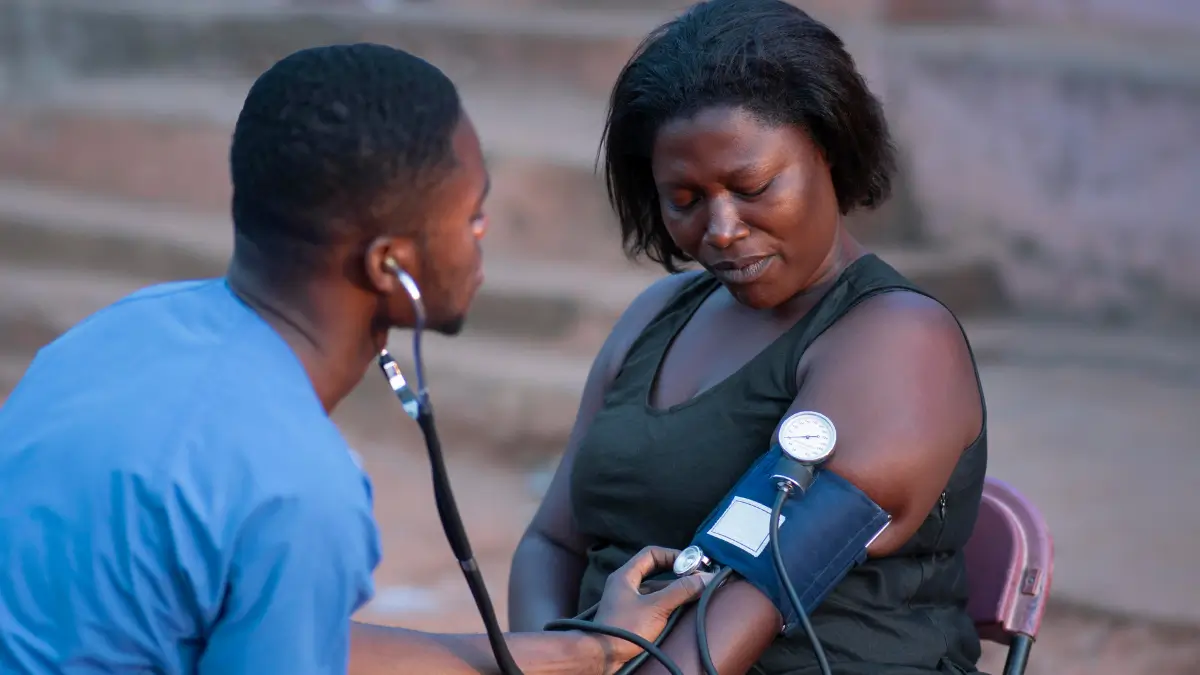
9. Monitor blood pressure regularly
Home monitoring and routine check-ups help identify patterns and detect changes early. Tracking readings over time allows clinicians to assess whether lifestyle changes are having an effect.
10. Control cholesterol and blood sugar
High blood pressure often occurs alongside elevated cholesterol and blood sugar. Managing these conditions together reduces overall cardiovascular risk.
What This Means for Gauteng Residents
Gauteng residents face unique lifestyle pressures that can increase hypertension risk. Long daily commutes reduce time available for physical activity and sleep. High food costs and limited time encourage reliance on processed meals. Ongoing economic stress adds another layer of cardiovascular strain.
The impact is often delayed rather than immediate. Increased rates of stroke, heart disease, and kidney failure place long-term pressure on hospitals and clinics across the province.
Early awareness and routine screening remain the most effective ways to reduce this burden before serious complications develop.
FAQ: High Blood Pressure and Lifestyle Changes
Can lifestyle changes lower blood pressure on their own
In some cases, yes. Health authorities state that lifestyle changes may prevent or delay the need for medication, depending on individual risk factors.
Why do many people not know they have hypertension
High blood pressure often causes no symptoms until organ damage occurs.
What is considered Stage 1 hypertension
Systolic readings between 130 and 139 or diastolic readings between 80 and 89.
When is high blood pressure an emergency?
Readings above 180 over 120 with symptoms such as chest pain, weakness or vision changes require urgent medical attention.
Should blood pressure be checked even if someone feels well
Yes. The absence of symptoms is one of the main reasons hypertension goes undetected.
What Happens Next
Health authorities continue to emphasise routine blood pressure screening as the first line of defence against hypertension-related complications. Once elevated readings are identified, clinicians assess whether lifestyle changes alone are sufficient or whether medication or further investigation is required.
For Gauteng, the long-term challenge remains early detection. Blood pressure that is measured, tracked, and managed is far less likely to lead to life-altering complications later on.