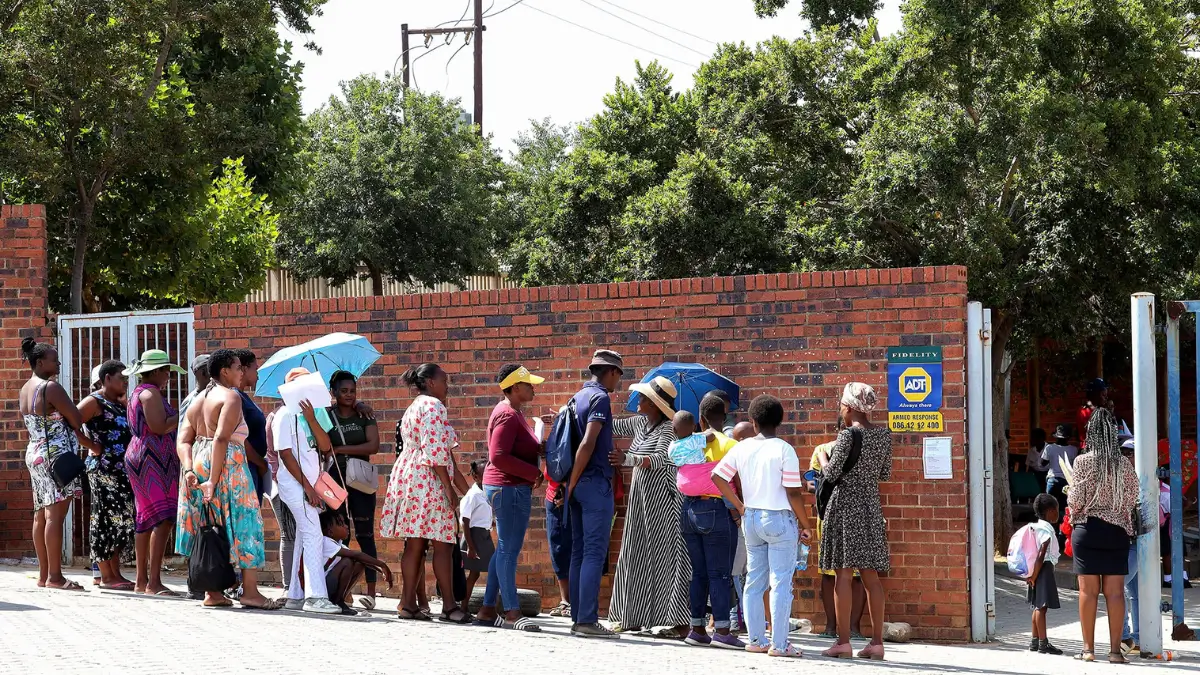
As the 2026 academic year gets underway, thousands of Gauteng families remain in limbo. The Gauteng Education Department (GDE) has confirmed that approximately 2,700 learners in Grade 1 and Grade 8 are still not placed in schools, weeks after the school year officially began.
The unplaced learners form part of a broader admissions challenge that continues to test Gauteng’s schooling system each January. According to the department, late applications, rapid population movement, and severe capacity constraints in certain districts have combined to create a backlog that is proving difficult to clear quickly.
While officials insist that no qualifying learner will be left without a school, parents across the province say the waiting period is emotionally and financially draining, particularly for families whose children are missing the first weeks of learning.
ALSO READ: GDE Denies Prioritising Foreign Nationals in Gauteng Public Schools
Why Grade 1 and Grade 8 Placements Matter Most
Grade 1 and Grade 8 remain the most pressured entry points in Gauteng’s public schooling system. These grades mark key transitions: the move from early childhood development into formal schooling, and the shift from primary to secondary education.
Any delay at these levels has ripple effects.
For Grade 1 learners, missed classroom time affects literacy, numeracy, and emotional adjustment. For Grade 8 pupils, late placement can disrupt subject choices, academic tracking, and social integration at a critical stage.
Education experts have repeatedly warned that lost learning time at entry grades is difficult to recover, even when catch-up programmes are introduced later in the year.
Late Applications Continue to Strain the System
The GDE has pointed to a significant number of late applications as one of the biggest contributors to the current backlog. More than 27,000 late applications were submitted during the admissions cycle, many from families who relocated to Gauteng after the initial online admissions window closed.
Provincial spokesperson Steve Mabona explained that the pressure is unevenly spread across the province.
“We don’t have a problem everywhere; there are certain areas where we have more learners than we can accommodate,” Mabona said.
Districts such as Ekurhuleni, particularly parts of Benoni, continue to experience higher-than-average demand due to inward migration, new housing developments, and limited availability of new public schools.
Capacity Gaps and Infrastructure Realities
At the heart of the problem lies a structural issue Gauteng has grappled with for years: school infrastructure has not kept pace with population growth.
While new schools have been built in recent years, demand continues to outstrip supply in fast-growing communities. In many areas, schools are already operating at or beyond their ideal capacity, leaving little room to absorb additional learners without overcrowding classrooms.
To address this, the department has formally requested schools with available space to enrol additional learners, even if this means increasing class sizes in the short term.
Mabona said teams are working daily with district offices and school principals to identify remaining spaces.
“We are continuing with the placement process, looking at increasing capacity where possible, and refining our strategy to ensure every learner is placed,” he said.
Parents Caught in Weeks of Uncertainty
For parents, the administrative explanations offer little comfort when children remain at home.
Several families have reported waiting periods of 10 days or more with no clear feedback from district offices. Others say calls and emails go unanswered as officials juggle hundreds of cases daily.
The uncertainty has placed particular strain on working parents who must now manage childcare while waiting for placement confirmations. For households with limited resources, keeping a child out of school also means delayed access to feeding schemes, transport arrangements, and structured learning environments.
One parent from Ekurhuleni described the experience as “exhausting and frightening,” adding that each passing day increases anxiety about her child falling behind.
How the Department Plans to Catch Learners Up
The GDE has acknowledged that some learners will inevitably miss the first part of the academic year. To address this, the department has instructed schools to implement formal catch-up plans for late-placed pupils.
These may include:
- Adjusted lesson pacing
- Additional support during school hours
- Targeted academic interventions in key subjects
Officials say schools are expected to integrate late arrivals quickly so that learning gaps do not widen further.
At the same time, the department has cautioned that placement numbers remain fluid, as new applications continue to come in and some parents who did not apply at all earlier now approach district offices.
What Happens Next in the Placement Process
Late applications for the 2026 school year officially close on 30 January 2026. After this date, the department aims to finalise outstanding placements, although capacity constraints may continue to cause delays in certain areas.
The GDE maintains that every qualifying learner will be placed, even if it takes additional time to secure space through expanded enrolment or school re-zoning.
Parents are urged to:
- Ensure all required documentation is submitted
- Regularly check the online admissions portal
- Stay in contact with district offices, particularly if relocation has occurred
A Growing Challenge That Needs Long-Term Solutions
The current placement backlog once again highlights the need for long-term planning beyond annual admissions cycles. Education analysts argue that sustained investment in new schools, better forecasting of population movement, and stronger coordination between housing and education planning are critical to preventing recurring crises.
Until then, January will continue to bring stress for families, educators, and officials alike.
What Parents Can Do Now: A Practical Call to Action
If your child is still unplaced, do not disengage from the process. Continue engaging district offices, confirm your application status, and prepare your child academically at home where possible. Simple reading, writing, and numeracy activities can help reduce learning loss while waiting.
For policymakers and communities, this moment should serve as a reminder that school access is not just an administrative issue, but a social one. Ensuring every child starts the year in a classroom is essential to educational equity and long-term economic growth in Gauteng.
As placements continue to be finalised, transparency, communication, and urgency will be key. Parents deserve clear timelines, and learners deserve uninterrupted access to education. Gauteng cannot afford to let another cohort start the year from behind.