
Corporate wear for men in 2026 has moved far beyond rigid suits and uncomfortable dress codes. Across Gauteng’s offices, from Sandton boardrooms and Pretoria government buildings to Rosebank co-working spaces, professional style has become smarter, more flexible, and far more human.
Men are expected to look polished, credible, and intentional, but also comfortable and adaptable. What you wear to work today says a lot about how you work, how you think, and how seriously you take your role without needing to shout for attention.
Here are 10 practical corporate wear ideas for men in 2026, grouped to help you build a wardrobe that works across industries, seniority levels, and budgets.
ALSO READ: Top 20 Malls in Gauteng: Ultimate Shopper’s Guide
1. The Modern Tailored Suit (Still a Power Move)
The suit is far from dead; it has simply evolved.
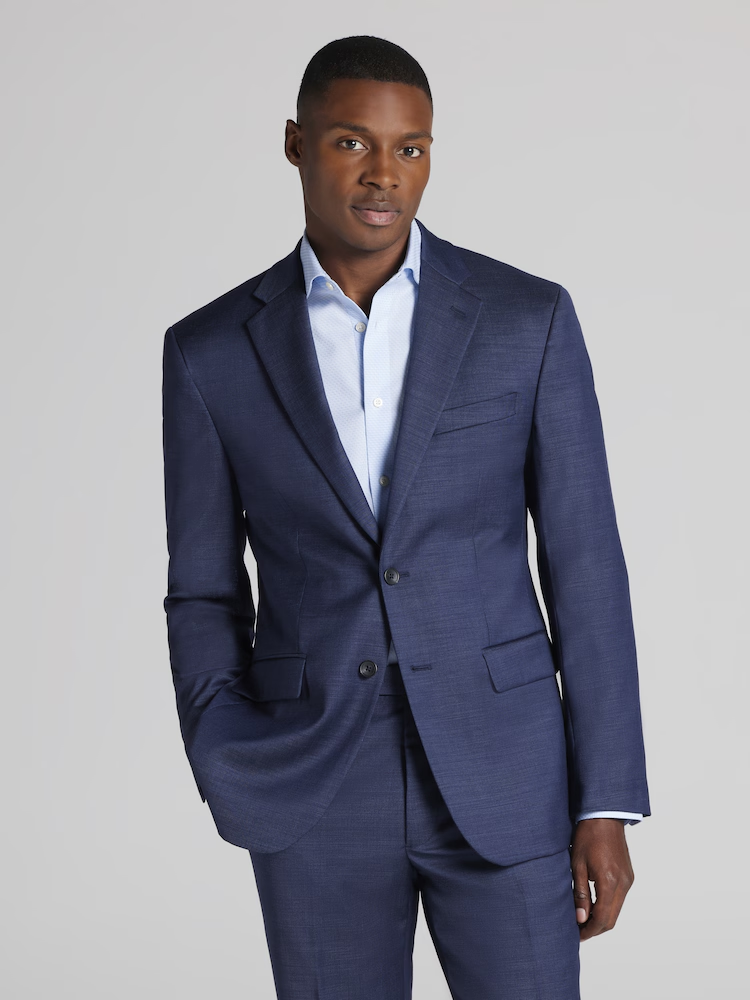
In 2026, the modern corporate suit is lighter, better fitted, and less rigid. Think slim but not tight cuts, softer shoulders, and breathable fabrics suited to Gauteng’s climate.
Neutral colours like navy, charcoal, and mid-grey remain timeless, especially for executives, legal professionals, and finance roles. The difference now is how the suit is often worn without a tie and paired with minimal accessories.
Why it matters: A well-fitted suit still signals leadership, credibility, and confidence, especially in high-stakes meetings.
2. The Business Casual Shirt That Actually Fits
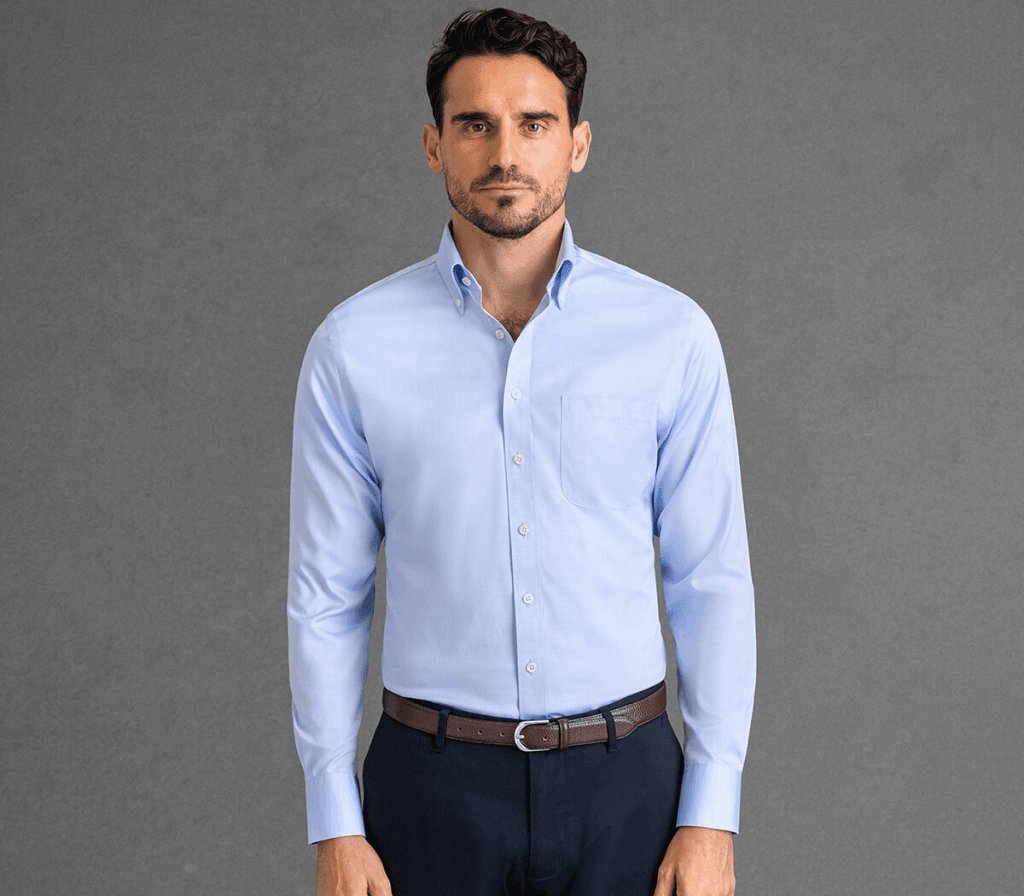
Ill-fitting shirts remain one of the biggest corporate wear mistakes men make.
In today’s workplace, a properly tailored shirt does more for your professional image than any trend. Crisp white and light blue remain staples, but soft patterns, textured fabrics, and muted tones are now widely accepted.
Stretch cotton blends and breathable fabrics help men stay comfortable during long workdays and commutes.
Why it matters: A good shirt bridges formal and casual environments effortlessly.
3. Tailored Trousers Over Jeans (Almost Always)
While some offices allow denim, tailored trousers are still the safer corporate wear choice.
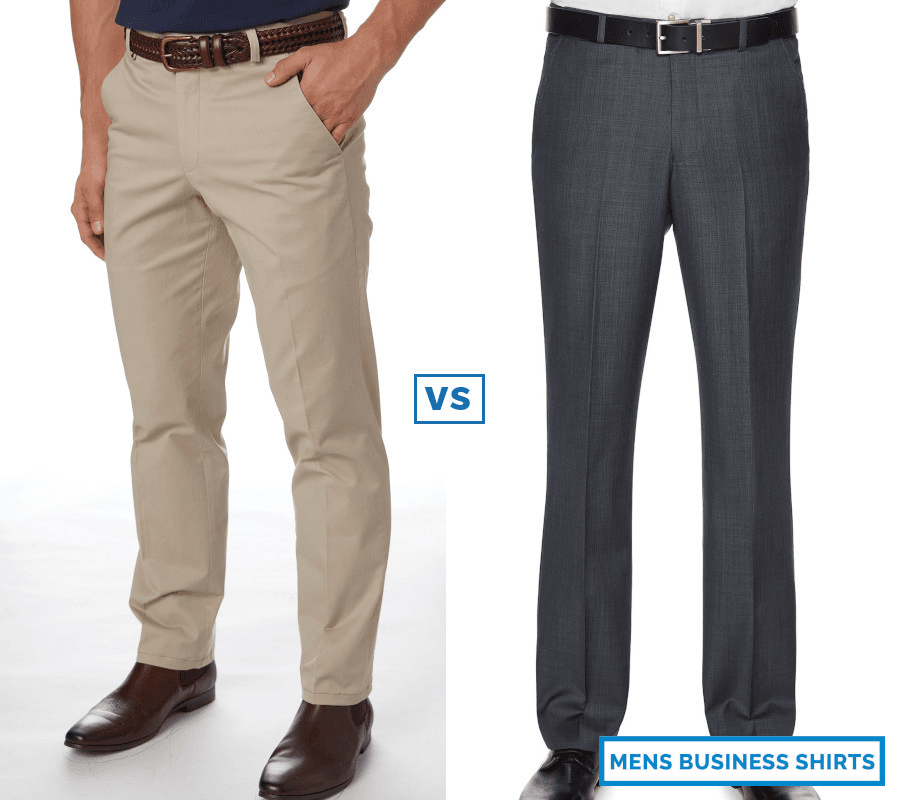
Slim or straight-cut chinos and formal trousers in navy, charcoal, or stone instantly elevate your look. They work across departments, from corporate offices to client-facing roles.
Jeans, when allowed, should be dark, structured, and free of distressing.
Why it matters: Trousers maintain professionalism without sacrificing comfort.
4. The Blazer That Works Overtime
The blazer has become one of the most versatile corporate wear options for men.
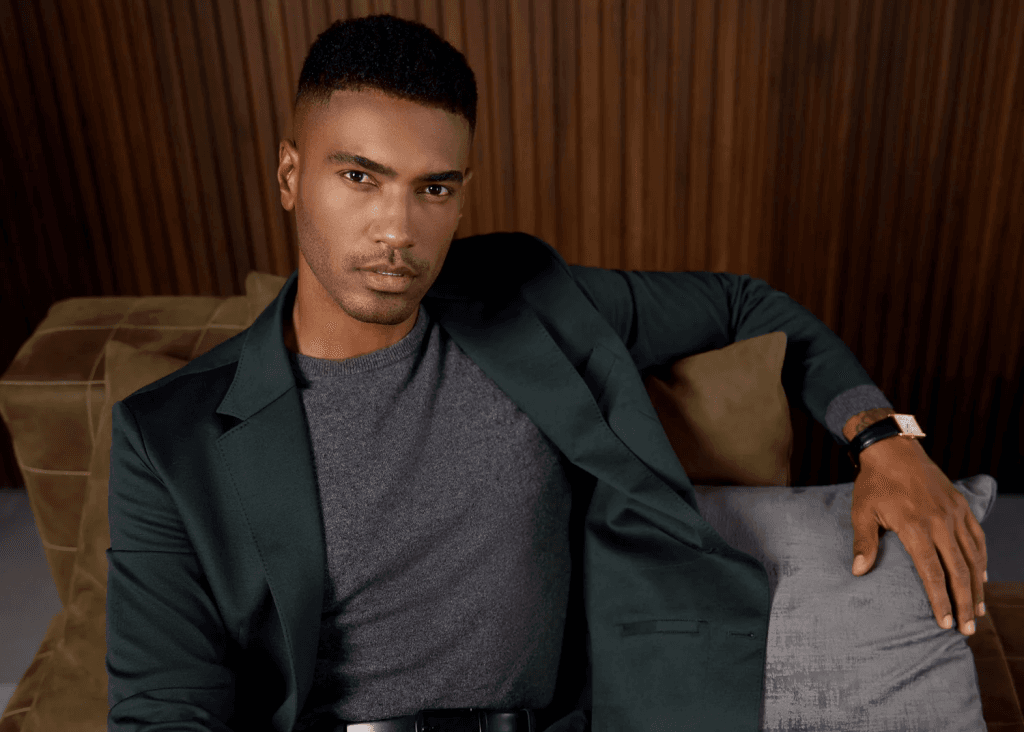
In 2026, blazers are worn with shirts, knitwear, or even plain T-shirts in creative environments. Unstructured blazers with soft linings allow movement and comfort while maintaining polish.
Neutral colours dominate, but subtle textures add personality.
Why it matters: A blazer instantly turns a casual outfit into a professional one.
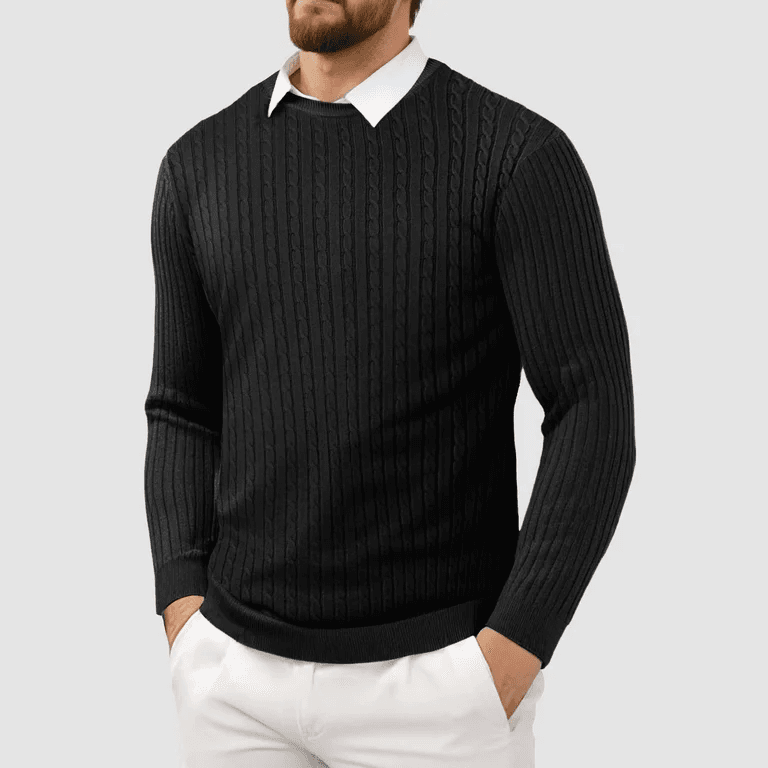
5. Knitwear for Smart Layering
Lightweight knitwear has earned its place in corporate wear.
Fine-gauge sweaters, cardigans, and half-zip knits work perfectly over shirts for air-conditioned offices. Neutral tones such as grey, navy, beige. Keep the look professional.
Knitwear offers warmth without bulk and works well in hybrid settings.
Why it matters: Smart layering shows intention and adaptability.
6. Shoes That Balance Comfort and Authority
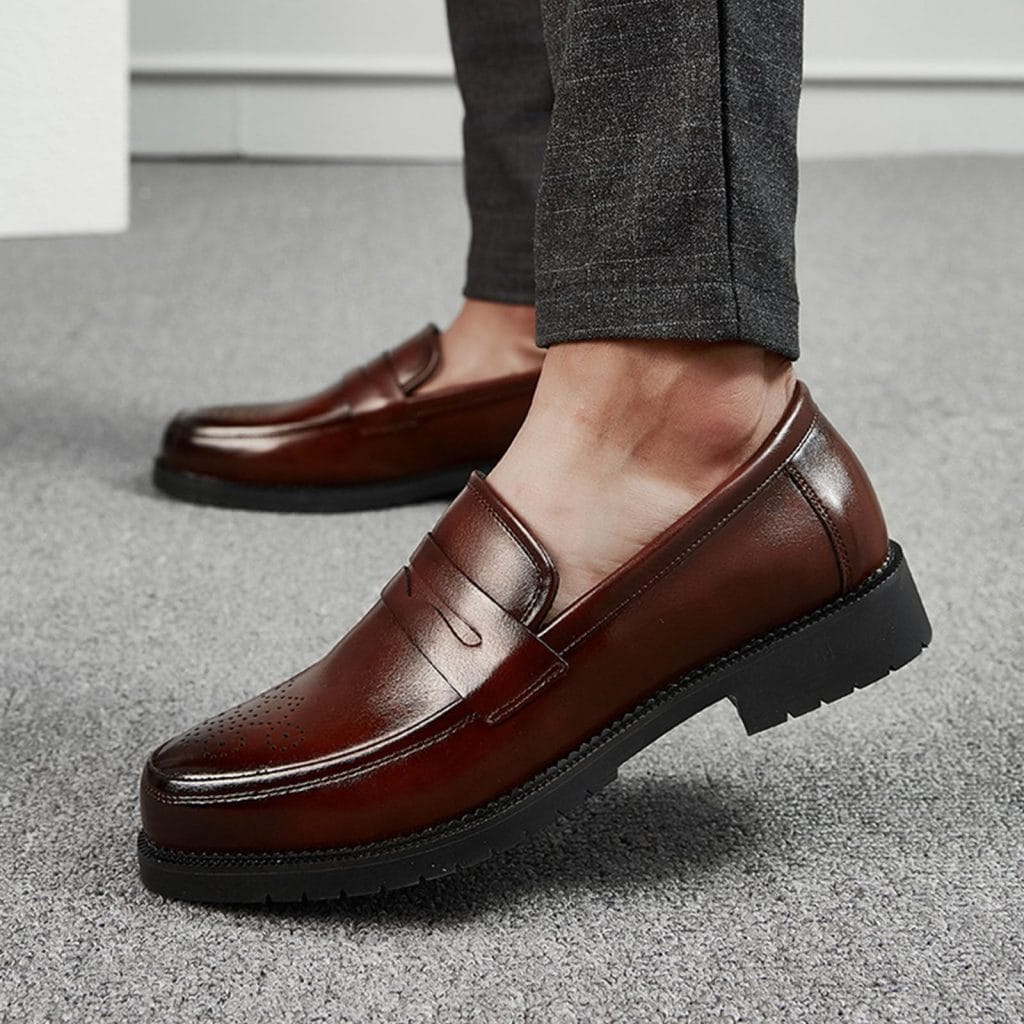
Footwear can make or break a corporate outfit.
In 2026, men prioritise comfort just as much as appearance. Leather lace-ups remain essential for formal settings, while loafers and brogues dominate business casual offices.
Minimalist leather sneakers are increasingly accepted in creative and tech spaces but only when clean and understated.
Why it matters: Good shoes reflect attention to detail and professionalism.
7. Accessories That Don’t Try Too Hard
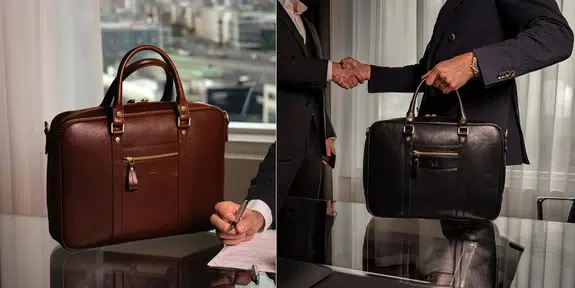
Corporate accessories have become simpler and more purposeful.
A classic wristwatch, structured belt, and minimal bag or briefcase are usually enough. Over-accessorising often detracts from professionalism.
In Gauteng’s corporate culture, subtlety is valued more than flash.
Why it matters: Accessories should support your look, not compete with it.
8. Smart Casual Done Right for Hybrid Work
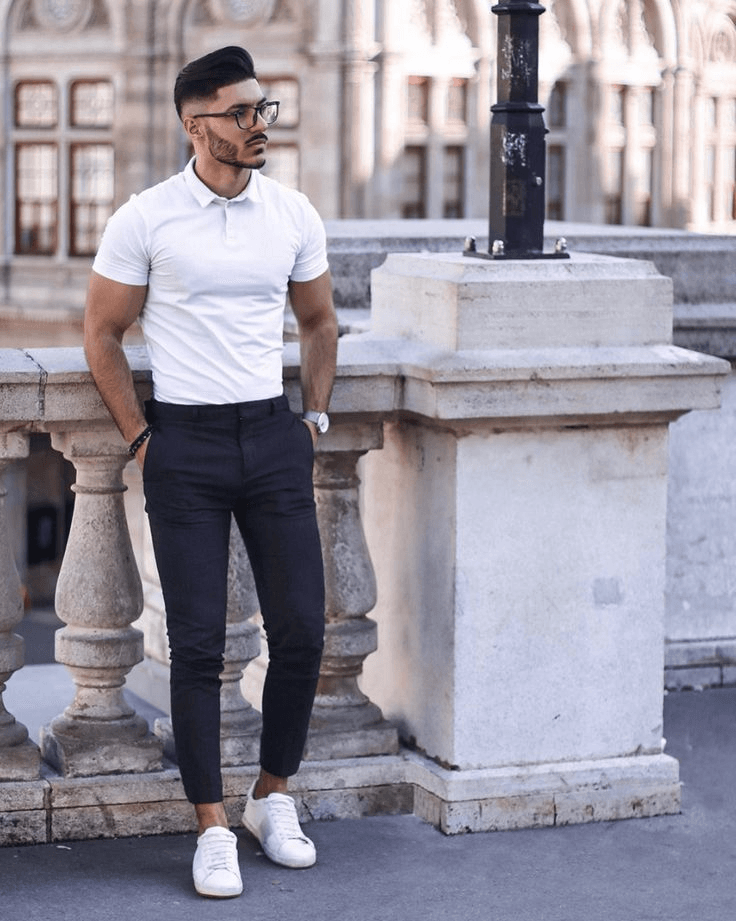
Hybrid work has reshaped corporate style.
Smart casual outfits, tailored trousers, clean shirts, and structured jackets allow professionals to move between home offices, meetings, and networking events without changing outfits.
Overshirts, polo shirts with structure, and clean silhouettes dominate this space.
Why it matters: Hybrid professionals need flexibility without looking careless.
9. Entry-Level Corporate Wear That Doesn’t Break the Bank
For graduates and young professionals, corporate wear doesn’t need to be expensive to be effective.
A small capsule wardrobe, two shirts, one blazer, two trousers, and one pair of quality shoes can create multiple professional looks.
Fit, cleanliness, and consistency matter more than brand names.
Why it matters: First impressions matter most early in your career.
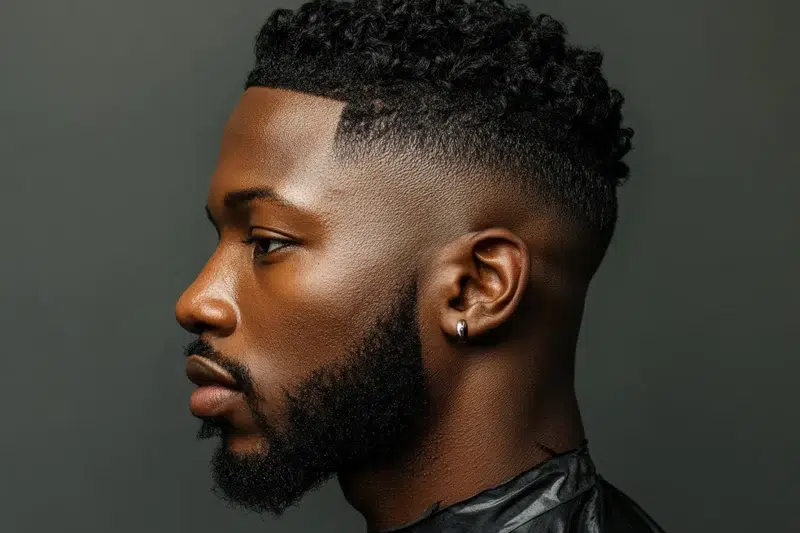
10. Grooming and Presentation: The Final Layer
No corporate outfit works without proper grooming.
Pressed clothing, polished shoes, neat hair, and basic personal care are non-negotiable in professional spaces. Even the best outfit loses impact when presentation is neglected.
In many ways, grooming is the silent communicator of discipline and self-respect.
Why it matters: Professionalism is judged holistically, not just by clothing.
Corporate Wear in Gauteng: A Practical Reality Check
Corporate style in Gauteng reflects diversity, from conservative environments to progressive workplaces. The smartest approach is adaptability: knowing when to lean formal and when to relax your look without losing credibility.
Dress for your role, your industry, and the people you interact with most.
Dress for the Career You’re Building
Corporate wear in 2026 is not about impressing others; it’s about aligning your appearance with your ambition. The goal is not to overdress or underdress, but to dress intentionally.
Build a Wardrobe That Works for You
Take time to assess your current wardrobe. Identify what fits, what doesn’t, and what’s missing. Invest slowly in versatile, well-fitted pieces that can grow with your career. If you’re unsure where to start, begin with fit, comfort, and consistency, the foundations of modern professional style. Your wardrobe should support your work, not distract from it.