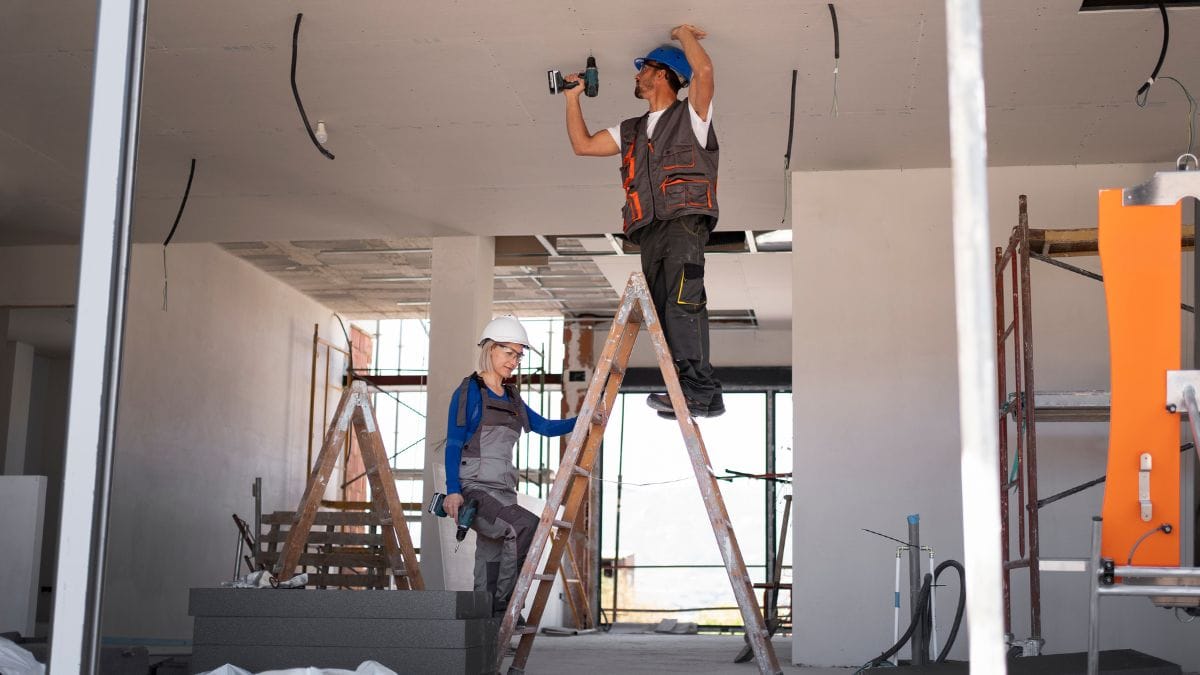
Renovating a home can be exciting, but even a minor error can cost thousands. Many South Africans jump into home upgrades without a clear plan, leading to budget overruns, legal issues, or regret. Whether you’re in Johannesburg, Pretoria or beyond, avoiding these renovation mistakes can save you money and stress.
We break down the most common renovation mistakes made by homeowners in South Africa. From poor planning to cutting corners, here’s what to avoid.
1. Skipping a Detailed Renovation Budget

Failing to budget is one of the most common renovation mistakes. Many homeowners in Gauteng underestimate the total cost of materials, labour, and permits.
Why it matters:
- Costs can spiral quickly.
- Unexpected structural or compliance issues can arise.
Tip: Create a comprehensive budget. Include a 10% to 20% contingency fund. Consult with quantity surveyors or building professionals for accurate quotes.
2. Not Getting Proper Building Permits
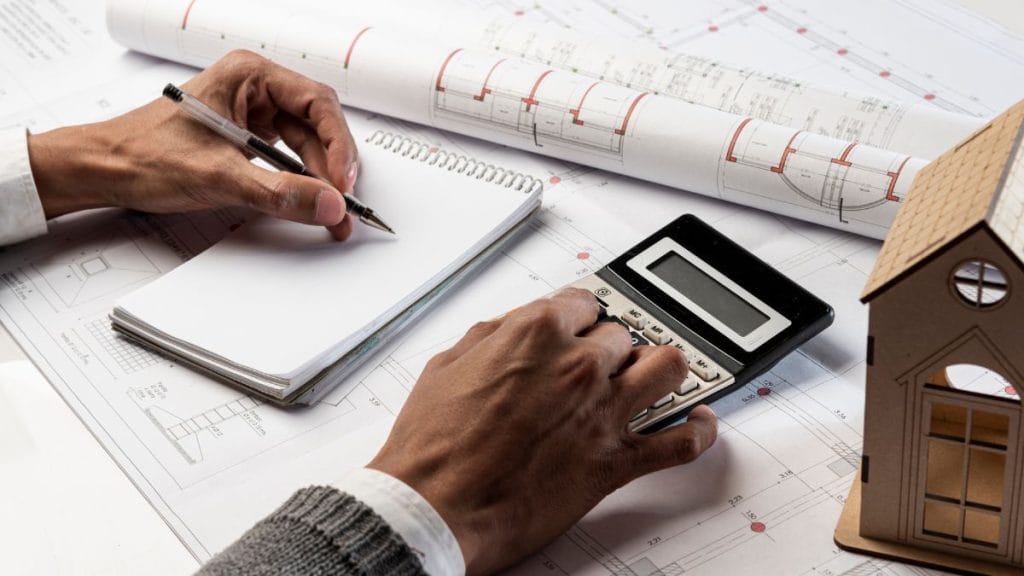
In South Africa, structural changes often require local municipal approval.
Why it matters:
- Skipping permits can result in fines.
- You may face legal trouble or resale issues.
Tip: Always check with your local council before starting any building work. Visit www.joburg.org.za or your local municipal planning department.
3. Choosing the Cheapest Contractor Without Research
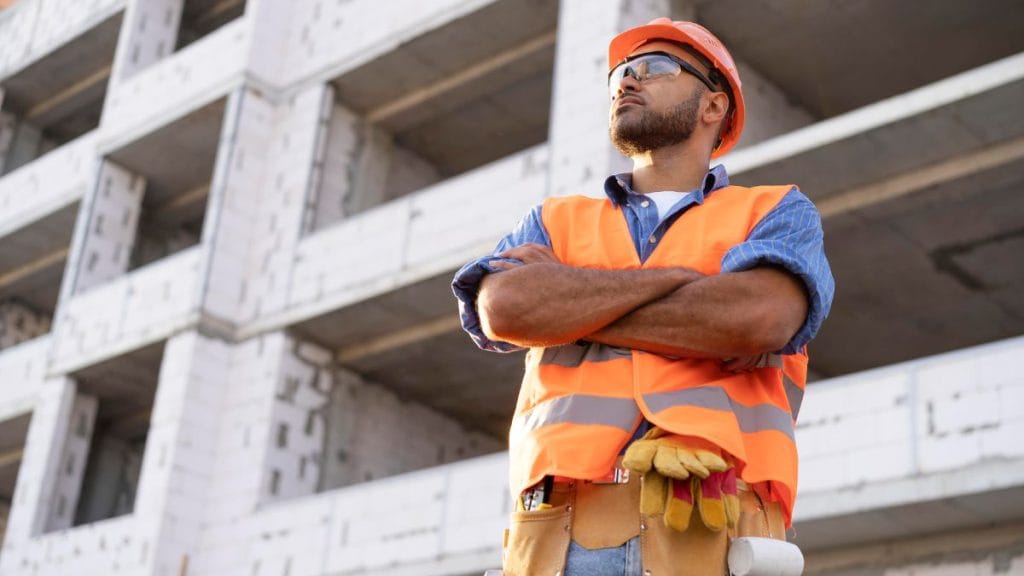
Hiring a contractor based only on price is risky.
Why it matters:
- Unqualified builders may cut corners.
- You could face delays or inferior workmanship.
Tip: Verify credentials, check online reviews, and ask for past project references. Use platforms like NHBRC (National Home Builders Registration Council) to confirm registration.
4. Ignoring Structural and Systemic Issues
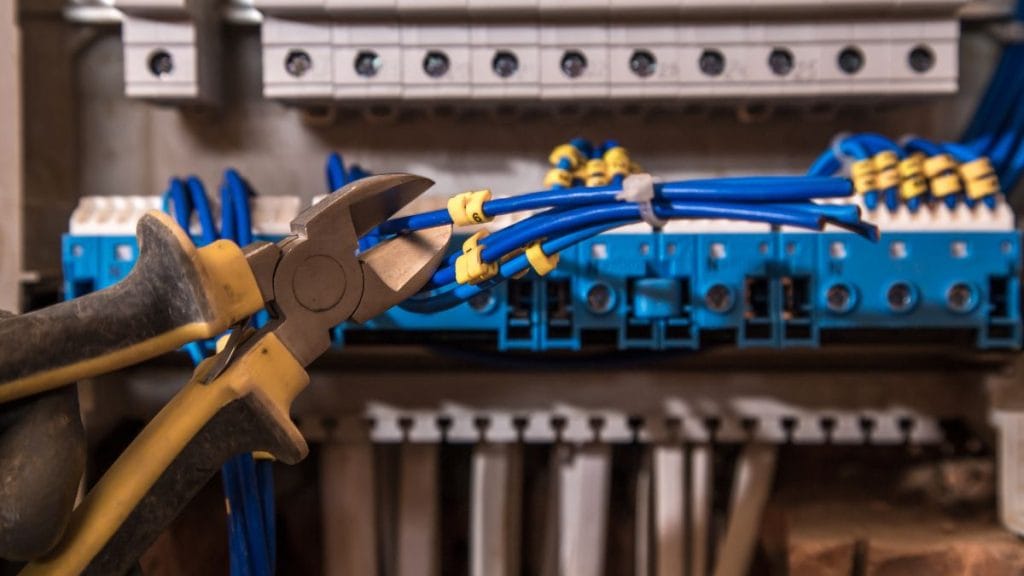
Homeowners often focus on aesthetics and skip structural or system upgrades.
Why it matters:
- Faulty wiring, old plumbing, or weak foundations can be hazardous.
Tip: Hire an inspector to assess the property. Upgrade essentials like plumbing, electrical wiring, and roof structures first.
5. Attempting Complex DIY Projects Without Expertise
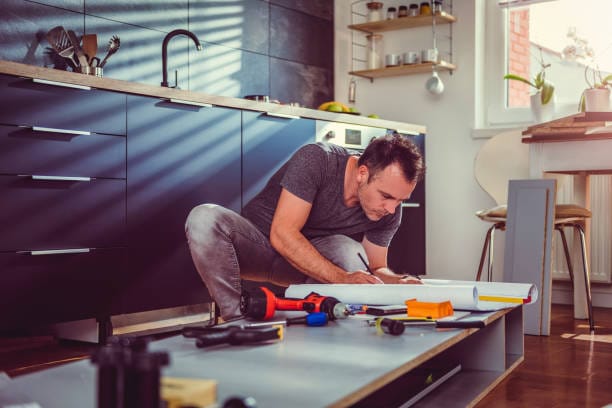
DIY can be satisfying, but mistakes can be costly.
Why it matters:
- Electrical or plumbing errors can create safety hazards.
- You may invalidate your home insurance.
Tip: Only tackle tasks you’re trained for. Leave electrical, gas, and structural work to professionals.
6. Poor Planning of Space and Layout
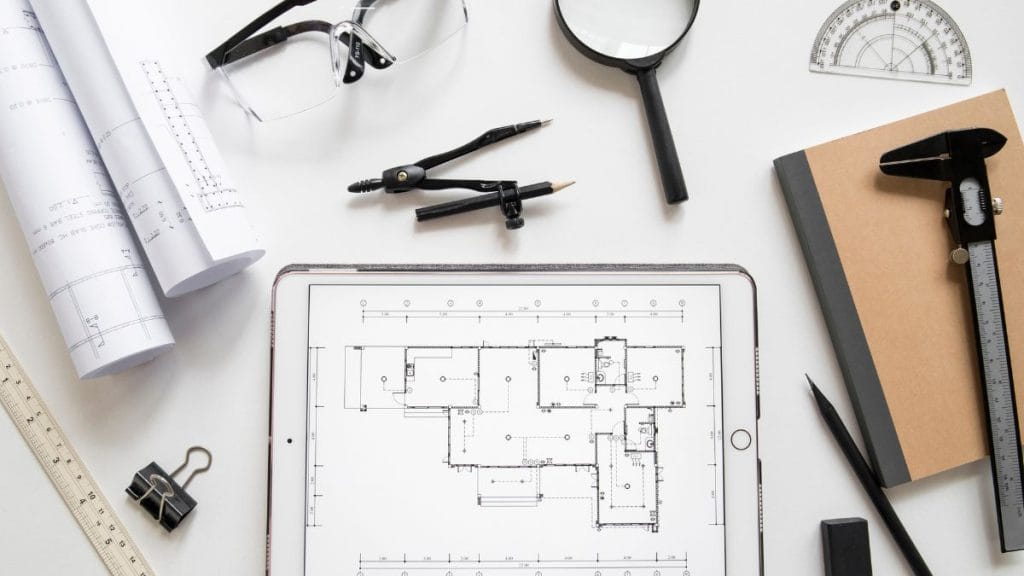
One of the most overlooked renovation mistakes is ignoring functionality.
Why it matters:
- A beautiful home that lacks flow or storage frustrates daily life.
Tip: Work with an architect or interior designer to plan for natural light, traffic flow, and practicality.
7. Using Low-Quality Materials to Cut Costs
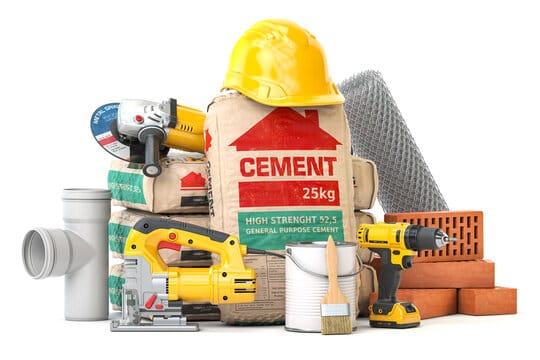
Cheap materials may seem economical now but fail long-term.
Why it matters:
- You risk replacements within a year or two.
Tip: Invest in quality where it counts: waterproofing, tiles, plumbing fixtures, and insulation. Ask for guarantees.
8. Renovating Without Considering Resale Value
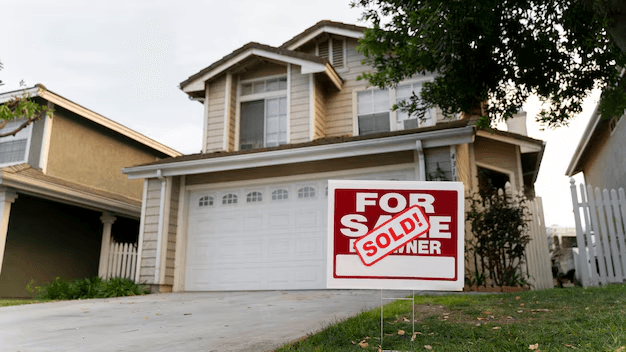
Some upgrades don’t add long-term value.
Why it matters:
- You may overcapitalise on your suburb.
Tip: Look at similar homes in your area. According to Lightstone data, kitchen and bathroom upgrades give the best returns in Gauteng suburbs.
9. Starting Renovation Too Soon After Purchase
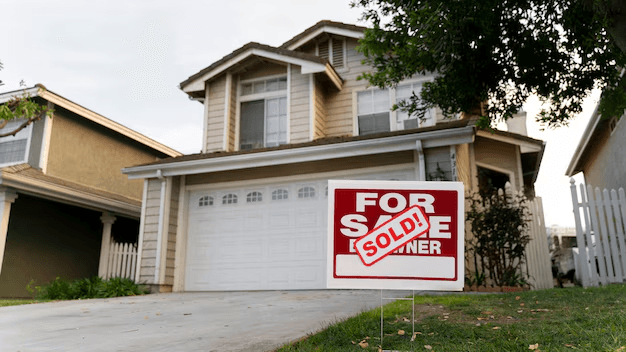
Many new homeowners rush into renovations without understanding the property.
Why it matters:
- You may overlook how light, temperature, and use change throughout the year.
Tip: Live in the home for 3–6 months before major changes. This gives insight into what truly needs improvement.
10. Failing to Schedule Work in the Right Order

Poor sequencing leads to delays and rework.
Why it matters:
- Installing new floors before fixing plumbing causes extra costs.
Tip: Follow the correct order: structural changes > electrical/plumbing > plaster > paint > flooring > finishes.
11. Overlooking Energy Efficiency Upgrades

With rising electricity costs, energy efficiency is more important than ever.
Why it matters:
- Poor insulation or lighting choices increase monthly bills.
Tip: Add ceiling insulation, LED lighting, and energy-efficient geysers. These improve comfort and reduce running costs.
Renovation Mistakes to Avoid – Summary Checklist
Here’s a quick overview of what to steer clear of:
- No budget or emergency fund
- Ignoring permits
- Unvetted contractors
- Skipping structural repairs
- Overreaching DIY
- Poor design planning
- Cheap materials
- Low resale upgrades
- Rushing into changes
- Incorrect project sequencing
- Ignoring energy savings
Frequently Asked Questions (FAQs)
What renovations need approval in South Africa?
Any structural change, roof alteration, or new plumbing/electrical system usually needs municipal approval.
How do I find a registered contractor?
Check www.nhbrc.org.za to confirm if your builder is registered.
What adds the most value to my home?
Kitchen upgrades, bathroom renovations, and energy-efficient systems offer the best returns in most Gauteng suburbs.
Avoiding these renovation mistakes helps turn your property into a dream home without breaking the bank. Take time to plan, choose the right people, and focus on lasting quality. With proper care, your renovation can boost comfort, resale value, and pride in your home.
ALSO READ: 10 Interior Decor Tips To Make Your Home Look Modern