The Middle East War entered a dangerous new phase overnight as Israel intensified strikes on Tehran while Iran launched missiles and drones toward Tel Aviv. The escalation signals a broader regional conflict involving Gulf states, Lebanon, and international military alliances. Governments across the region raised security alerts while civilians faced growing safety risks.
Israel reported attacks on what it described as Iranian regime infrastructure, while Iran’s Revolutionary Guards confirmed missile launches targeting Israel’s financial hub. Regional leaders and global defence alliances responded quickly as the conflict expanded across several countries.
This update summarises the most important developments from the past 24 hours and explains what the escalation means for the region.
Israel Escalates Attacks in Tehran
Israel launched a wave of air strikes on Tehran early Friday, marking a significant expansion of the Middle East War. Israeli military officials stated that the operation targeted regime infrastructure linked to Iran’s military and strategic command systems.
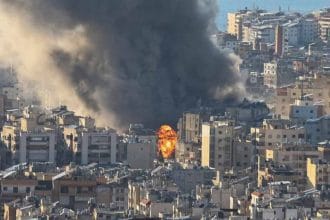
Residents in several districts of Tehran reported loud explosions during the night. Journalists in the city confirmed heavy blasts across parts of the capital.
Israeli military chief Lieutenant General Eyal Zamir said operations entered a new stage aimed at weakening Iran’s military capacity.
Key points from the Israeli operation:
- Strikes targeted strategic government facilities in Tehran
- Military leaders confirmed a “new phase” of the campaign
- Additional operations expected in the coming days
Security analysts warn that attacks on capital infrastructure raise the risk of broader retaliation from Iran and its regional allies.
Iran Launches Missile and Drone Attacks on Israel
Iran responded with a coordinated missile and drone strike targeting Tel Aviv. Iran’s state news agency IRNA reported that the Islamic Revolutionary Guard Corps launched multiple projectiles toward central Israel.
According to the statement, the attack formed part of a combined operation aimed at “locations in the heart of Tel Aviv”.
Israeli defence systems activated across the city as sirens sounded overnight.
Major developments included:
- Missile launches directed toward Israel’s commercial centre
- Drone operations targeting urban infrastructure
- Air defence systems activated across Tel Aviv
Military experts state that this form of coordinated attack reflects growing sophistication in Iran’s response strategy.
Regional Impact as Gulf and Middle Eastern Countries React
The conflict spread beyond Israel and Iran, affecting several countries across the Gulf and Middle East.
Bahrain Reports Damage After Iranian Strike
Authorities in Bahrain confirmed that an Iranian missile struck a hotel and two residential buildings in the capital, Manama. The attack followed an earlier strike that caused a fire at Bahrain’s main state-owned oil refinery.
Officials corrected earlier reports that suggested two hotels were hit.
Saudi Arabia Intercepts Ballistic Missiles
Saudi Arabia’s defence ministry announced the interception of three ballistic missiles heading toward Prince Sultan Air Base.
The ministry stated that defence systems destroyed all projectiles before impact.
Diplomatic sources also confirmed that some Western embassy staff in Riyadh received shelter-in-place instructions after earlier security incidents near the US embassy compound.
Lebanon Casualties Rise as Conflict Expands
The war has already produced severe humanitarian consequences.
Lebanon’s health ministry reported:
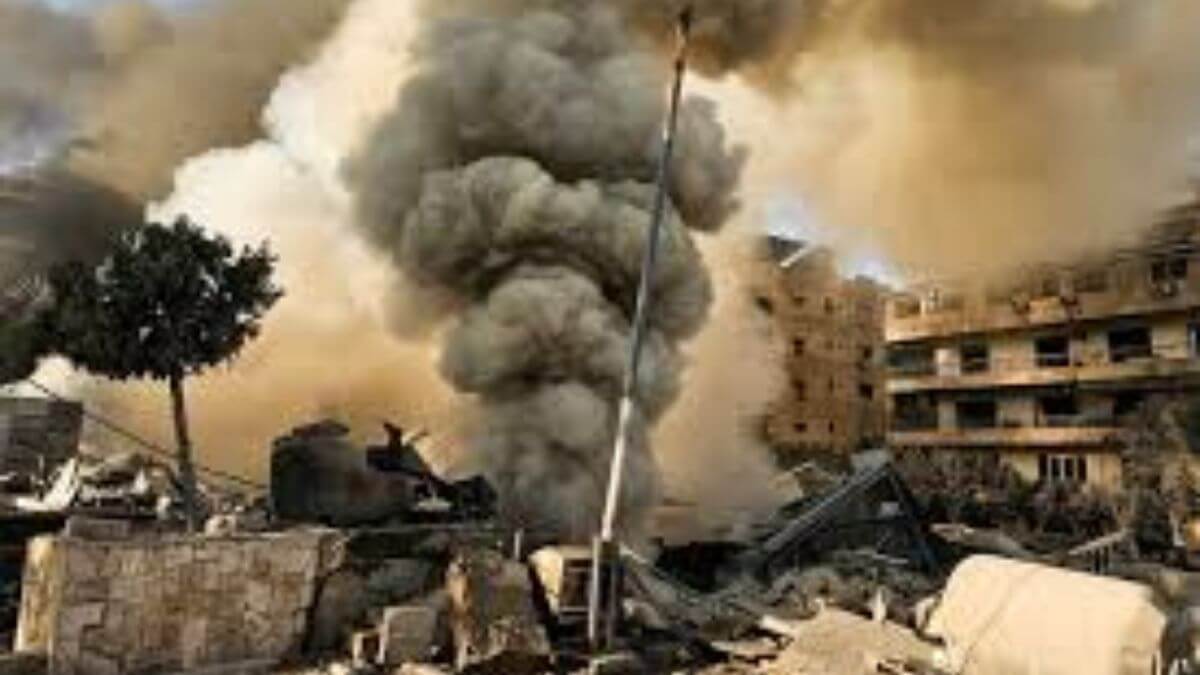
- 123 deaths following Israeli strikes
- 638 injuries recorded since Monday
Most casualties occurred after attacks in Beirut’s southern suburbs, an area linked to Iran-backed armed groups.
Humanitarian agencies warn that civilian infrastructure damage could worsen if hostilities continue.
NATO and Global Leaders Respond to Escalation
The growing scale of the Middle East War triggered reactions from global powers and international alliances.
NATO Strengthens Missile Defence
NATO confirmed that its member states raised the alliance’s ballistic missile defence posture. The decision followed reports that an Iranian missile travelled toward Turkey before interception.
Military commanders agreed to maintain the heightened defence level while Iranian missile activity continues across the region.
US Political Developments
US President Donald Trump also weighed in on the conflict. He stated support for possible operations by Iranian Kurdish fighters against Tehran’s leadership.
Trump further suggested involvement in selecting Iran’s next supreme leader following the death of Ayatollah Ali Khamenei. His comments added another layer of political tension to an already volatile situation.
Wider Military Developments
Several additional developments emerged overnight:
- Sri Lanka assumed control of an Iranian naval vessel after a US submarine attack earlier this week
- Three Australian military personnel served aboard the US submarine during the operation under the AUKUS defence partnership
- Yemen’s Iran-aligned Houthi leader warned that forces remain ready for military escalation
These events highlight the expanding geographical footprint of the conflict.
What the Latest Middle East War Developments Mean
Security analysts warn that the confrontation between Israel and Iran now threatens wider regional instability.
Several risk factors remain active:
- Multiple countries involved in military operations
- Rising civilian casualties
- Increased missile activity across the Gulf region
- Global alliances raising defence readiness
If hostilities continue at this pace, diplomatic pressure for ceasefire negotiations will likely increase.
Also Read: South Africans in the Middle East: Dirco Urges Immediate Evacuation