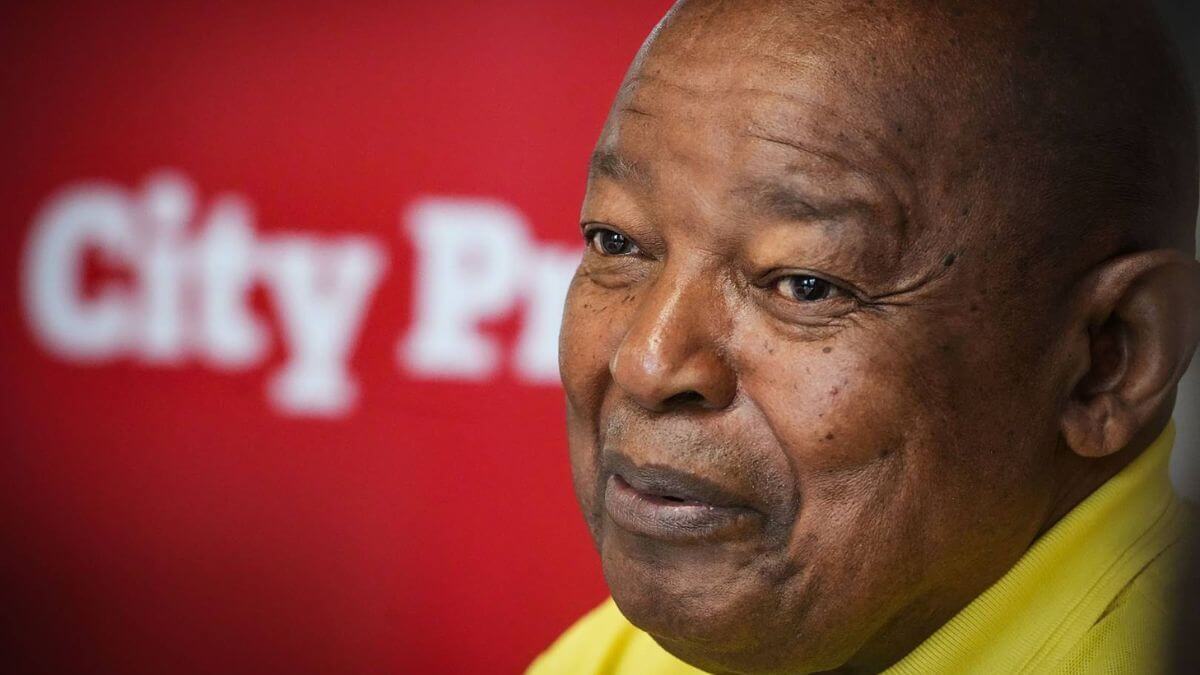
Mosiuoa Lekota, the co-founder of the Congress of the People (COPE), has passed away at the age of 77. The news of his death came in the early hours of Wednesday morning at a Johannesburg hospital, with COPE confirming his passing in a statement. Lekota’s death marks the end of an era for the South African political landscape, where he played a pivotal role in the country’s liberation and its democratic transition.
Mosiuoa Lekota’s Legacy and Impact on South African Politics
Mosiuoa Lekota’s death leaves a significant gap in the South African political sphere. A key figure in the fight against apartheid, he was a founding member of COPE in 2008, following his departure from the African National Congress (ANC). Lekota’s leadership was instrumental in shaping COPE’s identity and ideology. His journey through the political landscape of South Africa started long before the formation of COPE, beginning with his involvement in the United Democratic Front (UDF) and his time on Robben Island as a political prisoner.
A Tribute to Mosiuoa Lekota: A Fighter for Freedom
Mosiuoa Lekota will always be remembered for his unwavering dedication to the freedom of South Africa’s people. His active participation in the Black Consciousness Movement and his time in prison during apartheid are testament to his sacrifice. Despite facing many challenges, Lekota remained steadfast in his commitment to the ideals of justice, equality, and democracy.
His leadership in the post-apartheid era, including his tenure as Minister of Defence from 1999 to 2008, helped shape the country’s national security policies. His exit from the ANC in 2008, after disagreements within the party, solidified his position as a key figure in South Africa’s political opposition.
Remembering Mosiuoa Lekota’s Political Journey
Mosiuoa Lekota’s political journey was marked by both triumph and adversity. After his release from prison, he became a prominent leader in the struggle for democratic change in South Africa. His role in the formation of COPE was pivotal, and even after stepping back from active politics in recent years to focus on his health, Lekota remained a respected figure in the South African political sphere.
South Africa Mourns the Loss of a National Hero
The news of Mosiuoa Lekota’s passing has sent shockwaves across the country, with many political leaders offering tributes to the late leader. Former COPE deputy president Willie Madisha expressed deep sorrow, praising Lekota’s contributions to the liberation struggle. Deputy Defence Minister Bantu Holomisa also paid tribute, describing Lekota as a leader who “led from the front.” Holomisa highlighted Lekota’s role in the UDF and his ongoing influence in South African politics.
Reactions from Fellow Leaders and Political Figures
In addition to tributes from former COPE members, South Africa’s political leaders have been quick to acknowledge Lekota’s impact. Despite any past differences, many have united in honoring his legacy. His leadership in the UDF era remains a point of pride, and his exit from the ANC is seen as a strengthening of opposition forces within the country’s political landscape.
As South Africa reflects on the life and contributions of Mosiuoa Lekota, the nation recognizes the deep impact he had on the fight for democracy and the shaping of the country’s modern political structure.