South African Quick Brief (2026)
In short: This 2026 Gauteng utility guide helps residents plan around outages, schedules, and service disruptions with trusted references.
Who This Helps
- Residents affected by utility disruptions.
- Households planning around public-service changes.
- Readers needing quick context and next steps.
Action Funnel (Gauteng and South Africa)
- Use the quick summary to confirm your disruption or service context.
- Check official sources before making final decisions.
- Use linked hubs for broader outage and transport-service updates.
Entity Snapshot
- Public-service updates
- Power and utility context
- Official verification sources
- 2026 Gauteng planning context
- Service-disruption guidance
Fast FAQ
Should this guide replace official notices?
No. Use this guide for context and always confirm with official notices.
Is this updated for 2026 coverage intent?
Yes. It has been refreshed for 2026 search relevance and navigation.
Where can I track related disruptions?
Use the linked Traffic & Load Shedding Hub and News category pages.
Next Internal Steps
2026 Refresh: This guide has been updated for 2026 with stronger structure, South African context, improved internal links, and current source references. Last reviewed: 3 March 2026
Quick Answer (2026)
This 2026 utility and public-service guide helps Gauteng residents plan around disruptions and policy changes using trusted references.
What Changed for 2026
- Year-specific references were refreshed for 2026 search intent.
- Internal linking was aligned to current Gauteng.News hubs and categories.
- Official-source links were added to support verification before decisions.
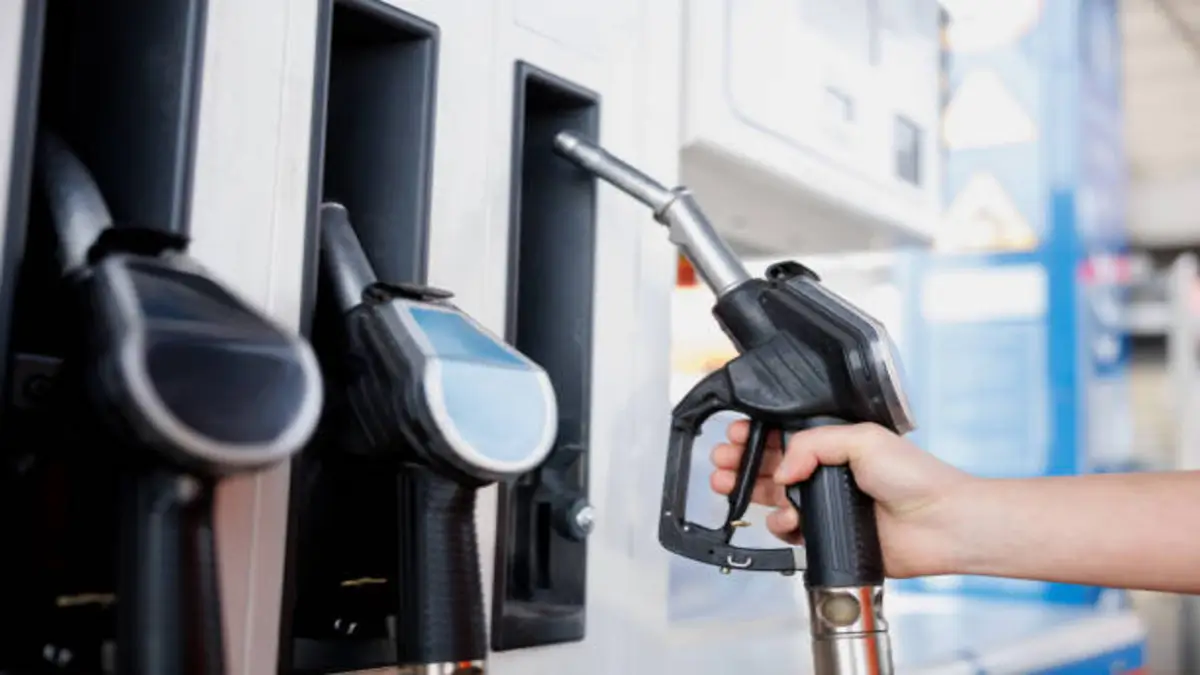
South African motorists and businesses could soon enjoy welcome financial relief at the fuel pumps, as both petrol and diesel prices are projected to fall for a fourth consecutive month in June 2026. The most substantial drop is expected in diesel prices, potentially reaching their lowest point since early 2022.
Diesel Set for Major Decline
According to the latest data from the Central Energy Fund (CEF) as of 19 May, wholesale diesel prices could decrease by as much as 61 cents per litre. Both the 0.005% (50ppm) and 0.05% (500ppm) sulphur diesel grades are expected to fall between 53c and 61c per litre. This would bring inland diesel prices to around R18.37 (50ppm) and R18.41 (500ppm), while coastal regions may see prices dip as low as R17.58.
If these over-recoveries hold until the end of the month, diesel prices in June could return to levels last seen in February 2022. This would provide significant cost savings for industries such as agriculture, logistics, and transportation—sectors that depend heavily on diesel to power their operations.
Petrol and Paraffin Also Expected to Drop
While the drop in diesel is the headline news, petrol prices are also expected to continue their downward trend, albeit more modestly. Current projections suggest that both 93 and 95 Unleaded petrol could fall by 25c to 30c per litre.
Inland motorists are currently paying R21.29 for 93 ULP and R21.40 for 95 ULP, while coastal prices for 95 ULP sit at R20.60. These figures follow a May reduction of 21c to 22c per litre.
Illuminating paraffin, a key energy source for many lower-income households, is also poised for a significant decrease of 56c per litre, further easing the financial burden on consumers.
Factors Behind the Price Drops
Several factors are contributing to the expected cuts in June:
- Stable Rand-Dollar Exchange Rate: The relative strength of the rand has helped keep fuel import costs in check.
- Brent Crude Oil Prices: Global oil prices have stabilized below $80 a barrel, with Brent Crude even dropping to $66 amid easing trade tensions between China and the U.S.
- OPEC+ Supply Increases: Additional output from oil-producing nations has helped reduce pressure on global supply.
- Potential US-Iran Nuclear Deal: Speculation around renewed nuclear talks has raised hopes of more Iranian oil entering the global market.
Despite these encouraging signs, market analysts have urged caution, noting that geopolitical instability and unpredictable global demand could impact prices in the latter half of the year.
Final Fuel Price Announcement Due Soon
It’s important to remember that these price forecasts are based on unaudited data and do not account for factors like retail margin changes or slate levy adjustments. The Department of Mineral Resources and Energy will make the official fuel price announcement at the end of May, with the changes set to take effect on Wednesday, 4 June.
For now, the outlook for June remains optimistic, especially for diesel users, who may soon benefit from the lowest prices seen in over three years.
Related article: Official Petrol Price Drops for May 2026: What You Need to Know About the Decrease
Official Sources for Verification
Related Gauteng.News Resources
More 2026 Guides
This page supersedes the earlier edition for search and user navigation.