South African Quick Brief (2026)
In short: This 2026 South African civic guide provides practical context, official verification links, and clear next actions.
Who This Helps
- Readers seeking practical civic updates.
- Users needing verification-first guidance.
- People comparing related policy/service context.
Action Funnel (Gauteng and South Africa)
- Start with the quick brief for context.
- Verify details on official sources.
- Use linked hubs for related updates.
Entity Snapshot
- Public-service context
- Official sources
- Civic guidance
- South African coverage
- 2026 intent
Fast FAQ
Is this official policy text?
No. Verify final details on official sources.
Is this updated for 2026?
Yes.
What should I do next?
Use official links first, then proceed.
Next Internal Steps
2026 Refresh: This guide has been updated for 2026 with stronger structure, South African context, improved internal links, and current source references. Last reviewed: 3 March 2026
Quick Answer (2026)
This 2026 South African civic guide provides practical context, verification links, and clear next steps.
What Changed for 2026
- Year-specific references were refreshed for 2026 search intent.
- Internal linking was aligned to current Gauteng.News hubs and categories.
- Official-source links were added to support verification before decisions.
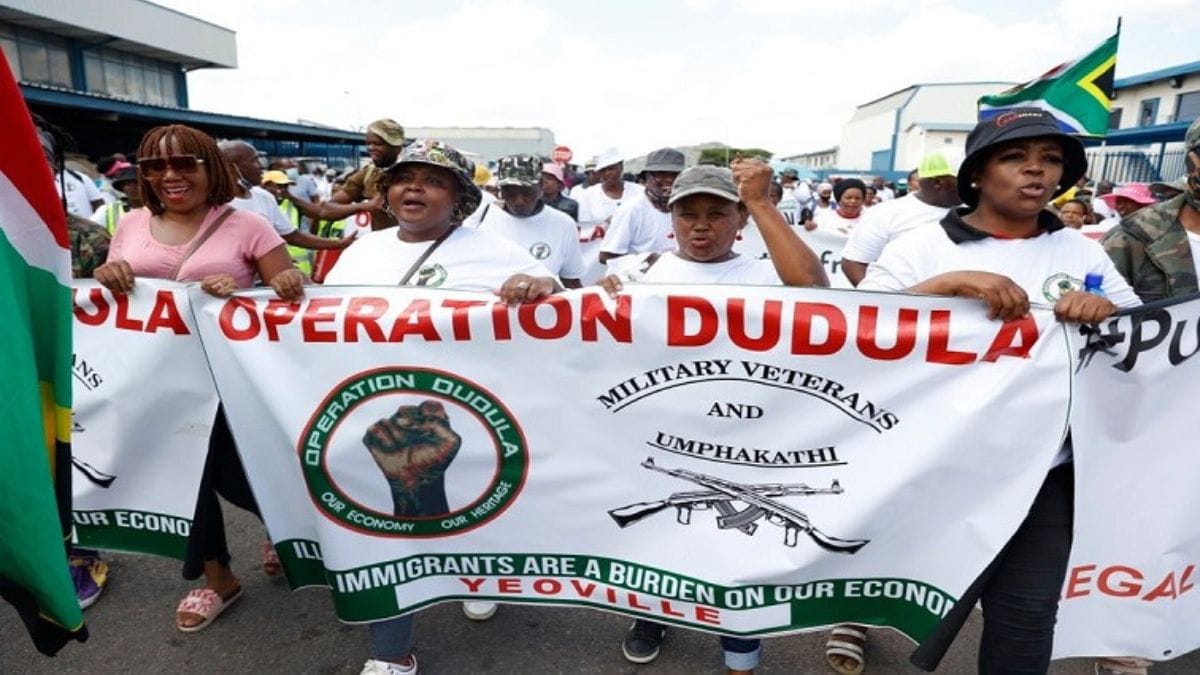
In a significant legal development, several prominent non-governmental organisations (NGOs) take Operation Dudula to court, accusing the controversial anti-immigrant movement of targeting foreign nationals in South Africa. The case, which is making waves in both the legal and social spheres, sheds light on the growing concerns over xenophobia in the country. This article delves into the details of the court case, the accusations against Operation Dudula, and expert opinions surrounding this contentious issue.
Background of Operation Dudula
Operation Dudula is a movement that originated in South Africa with the stated goal of advocating for the rights of South African citizens. However, it has been widely criticised for its actions targeting foreign nationals, particularly those from neighbouring African countries. The group has organised protests, raids, and even forced removals of foreign nationals from certain businesses and residential areas, often accusing them of taking away jobs and resources from South Africans.
While the group claims to be fighting for the rights of South Africans, its actions have been described by many as discriminatory, and its rhetoric has often been associated with xenophobia. The movement’s activities have raised alarms among human rights organisations, who argue that its actions violate constitutional rights and exacerbate tensions between different ethnic and national groups within South Africa.
Legal Case: NGOs Take Operation Dudula to Court
The court case was initiated by several NGOs, including Kopanang Africa Against Xenophobia, Abahlali baseMjondolo, the Inner City Federation, and the South African Informal Traders Forum. These organisations argue that Operation Dudula’s actions are unlawful and that the movement’s methods of targeting foreign nationals violate their human rights and constitutional protections.
The NGOs have called for an injunction to stop the group’s activities, including its raids on businesses and interference with the rights of foreign nationals to access healthcare and education. The NGOs have also accused the South African Police Service (SAPS) and the Department of Home Affairs (DHA) of colluding with Operation Dudula, alleging that police officers have conducted raids and detained foreign nationals without lawful grounds.
Opinions on the Case
Advocate Jason Brickhill, representing the NGOs, described the actions of Operation Dudula as “unlawful” and “xenophobic.” He argued that the group’s conduct undermines South Africa’s constitutional protections, which guarantee the rights of all individuals, regardless of nationality. According to Brickhill, Operation Dudula’s raids have resulted in foreign nationals being denied access to public healthcare and subjected to unfair identity checks.
Brickhill emphasised the seriousness of the allegations, saying, “The actions of Operation Dudula are not only illegal but also deeply harmful to social cohesion in South Africa. The group’s behaviour is fuelling xenophobic sentiments and creating a climate of fear and mistrust.”
On the other side, Operation Dudula has defended its actions, claiming that it operates within the confines of the law. Representatives from the group, such as Solomon Kekana, have argued that their activities are in line with their constitutional right to protest and advocate for South African citizens. Kekana also claimed that the group engages with the DHA and SAPS during their operations to ensure they are acting legally.
The Broader Implications
The case against Operation Dudula is not just about the movement itself; it also has broader implications for South Africa’s social and political landscape. Xenophobia has been a long-standing issue in South Africa, with tensions between South African citizens and foreign nationals often erupting into violence and protests.
Experts argue that the case could set an important legal precedent regarding the limits of protest movements and their impact on human rights. As South Africa continues to grapple with issues of unemployment, inequality, and immigration, movements like Operation Dudula play a critical role in shaping public opinion and policy. However, it is clear that their actions raise serious questions about the balance between freedom of expression and the protection of individuals’ rights.
What’s Next for Operation Dudula?
As the case moves forward in the Johannesburg High Court, it remains to be seen what the outcome will be. If the NGOs succeed in their bid to stop Operation Dudula’s activities, it could have significant ramifications for the group and other similar movements. Additionally, the case will likely shine a spotlight on the South African government’s role in addressing xenophobia and protecting the rights of foreign nationals in the country.
The legal battle between NGOs and Operation Dudula is a critical moment in the ongoing struggle against xenophobia in South Africa. With accusations of unlawful actions and human rights violations, this case could set a crucial precedent for future protests and the protection of individual rights in the country. As the case progresses, it will undoubtedly continue to draw attention to the sensitive issue of immigration and the need for social harmony in South Africa.
ALSO READ: Suspect Arrested in Likhona Fose Murder Case: Body Found on 1 June 2026
Official Sources for Verification
Related Gauteng.News Resources
More 2026 Guides
This page supersedes the earlier edition for search and user navigation.