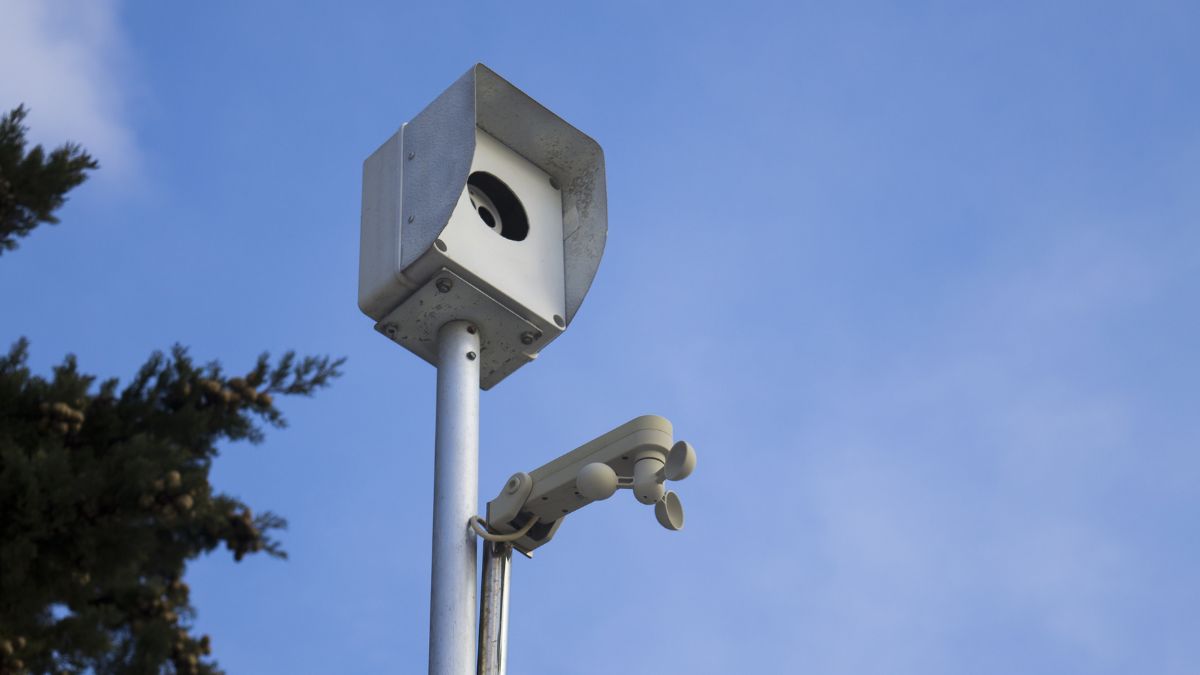
Since 23 December 2025, every speed camera in Johannesburg has stopped working, and officials have yet to explain why.
With no automated speed enforcement in place for over a month, concerns about road safety, accountability, and lost revenue are growing. For residents, the streets feel more chaotic. For the City of Johannesburg, it’s a glaring administrative failure with serious financial consequences.
Speed Cameras Vanish Before Festive Season
Two days before Christmas, speed cameras across the city were quietly removed. The reason? The City of Johannesburg’s contract with Syntell the private company that supplied and managed the speed cameras and fine processing systems, expired.
No replacement contractor had been appointed. And crucially, the Johannesburg Metro Police Department (JMPD) does not own any speed cameras of its own.
When the contract ended, Syntell pulled out its equipment, and with that, the city’s automated traffic enforcement collapsed overnight.
ALSO READ: Could South Africa Increase Driving Licence Card Fees?
Silence from Officials Frustrates Public
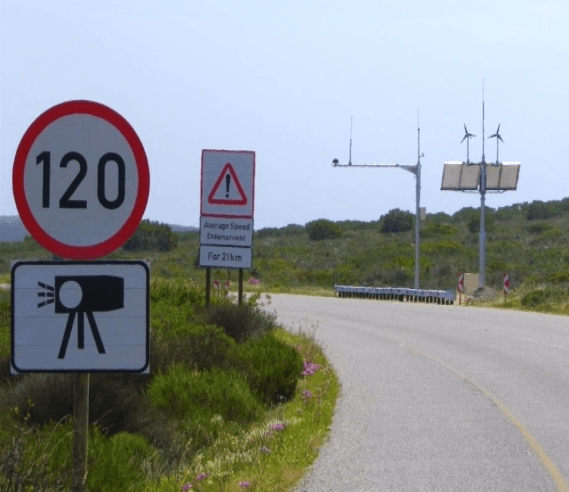
Despite multiple media queries, JMPD spokesperson Superintendent Xolani Fihla has offered no clear answers. This silence has only added to public frustration, fuelling speculation and criticism.
Opposition leaders, including DA public safety shadow MMC Solomon Maila, have condemned the lapse. He called it “blatant incompetence” and blamed EFF MMC for Public Safety, Dr Mgcini Tshwaku, for failing to plan ahead.
“The procurement of a new provider should have started months ago,” said Maila.
Meanwhile, residents have taken to social media to express their anger and amusement some celebrating fewer fines, others raising alarms about reckless driving, especially at night.
From Tech to Paper: A Step Backwards
The fallout has been swift. JMPD has reportedly reverted to issuing handwritten fines. These must now be manually entered into the system — a process that is slower and far less effective.
To put things into perspective:
- In the 2022/23 financial year, JMPD issued 3.4 million traffic fines.
- Of these, over 3.1 million were from speed cameras.
- In January 2023 alone, camera fines totalled more than 277,000.
The scale of enforcement handled by automated systems was massive. Without them, the city’s capacity to hold motorists accountable has drastically reduced.
Financial Blow to the City
Traffic fines are not just about law enforcement they’re a vital income stream. Last year, Johannesburg collected close to R47 million from traffic fines.
With the speed cameras offline, that figure is expected to drop sharply. While the city doesn’t disclose how much comes solely from cameras, the stats suggest it’s the majority.
In a municipality already battling budget shortfalls and service delivery challenges, this revenue gap is another hit it cannot afford.
What This Means for Road Safety
The absence of speed cameras has had a direct effect on driving behaviour. Reports of drag racing, speeding, and reckless driving have increased particularly on major roads and highways.
Traffic experts are also weighing in. Cornelia van Niekerk from Fines4U says the situation sends a dangerous message to motorists.
“When enforcement is inconsistent, drivers stop taking the law seriously,” she warns.
Rob Handfield-Jones, MD of driving.co.za, adds that while speed cameras can deter some behaviour, visible policing has a greater long-term effect on compliance.
Implications for Aarto Rollout
The Johannesburg situation has exposed flaws in the broader national rollout of the Administrative Adjudication of Road Traffic Offences (Aarto) system.
Aarto already applies in Johannesburg and Tshwane, but plans to expand nationally have been delayed due to poor readiness and inconsistent enforcement.
This breakdown only reinforces fears that South Africa is not prepared for a national traffic enforcement overhaul.
What Happens Next?
At this stage, there’s no clear timeline for a replacement speed camera system. Until the City of Johannesburg appoints a new service provider, or the JMPD invests in its own infrastructure enforcement will remain patchy.
This isn’t just a technology problem. It’s a governance issue with public safety, financial, and legal consequences.
A City in Limbo
Johannesburg’s roads are now more dangerous, not because of bad drivers alone, but due to a failure in systems meant to hold them accountable.