Illegal dumping continues to scar communities across South Africa, and Daveyton stands as a growing example of the damage caused by delayed municipal services. Illegal dumping has turned a once-respected communal space near the Motanyane Street cemetery into a health and environmental risk. A local resident now urges authorities to act on illegal dumping with a solution rooted in sustainability, job creation, and community ownership.
Illegal Dumping Turns Daveyton Cemetery Area Into Health Hazard
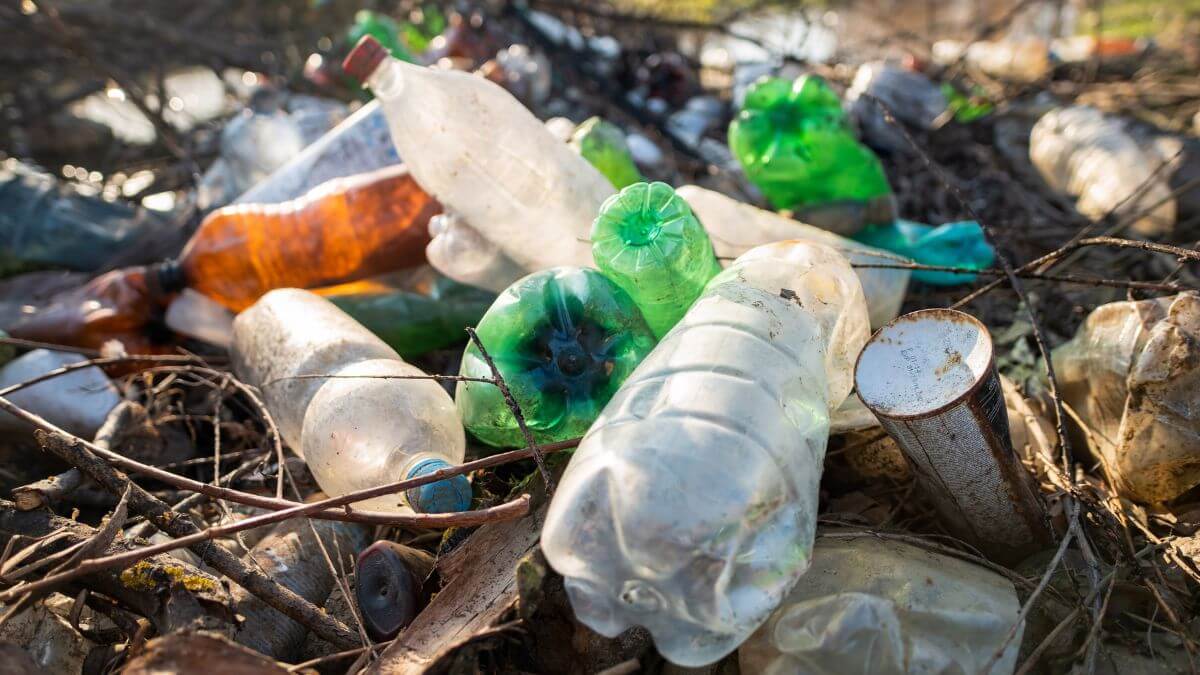
Heaps of rubbish line the perimeter wall of the cemetery on Motanyane Street. Household refuse, old tyres, and broken electronic waste spill into the nearby park and open land. The dumping sits close to homes and a heritage site, placing residents at risk.
Illegal dumping attracts rodents, increases fire hazards, and releases harmful pollutants into soil and groundwater. According to the Department of Forestry, Fisheries and the Environment, illegal dumping costs South African municipalities millions each year in clean-up operations, while exposing communities to preventable diseases.
Residents report missed refuse collection days and long delays between clean-ups. These gaps push some community members to dump waste illegally.
“We live under unpleasant conditions because the municipality doesn’t deliver services on time,” said Daveyton resident and waste management advocate Kabelo Sebiloane.
A Community-Led Call to Act on Illegal Dumping
Sebiloane, founder of Leano La Sechaba Waste Management and Consultancy, has stepped forward with a clear proposal. She asks the City of Ekurhuleni to lease the open space next to the cemetery so she can formalise a recycling operation.
Her plan includes fencing the area, managing waste intake, and preventing further illegal dumping. The model also introduces financial incentives for residents.
“There is cash for their trash,” she said. Community members would earn money by bringing recyclable waste instead of dumping it.
This approach aligns with successful recycling buy-back centres operating in parts of Gauteng, where informal recycling has reduced illegal dumping and increased household income.
Also Read: Johannesburg Pushes Gauteng Water Usage Past 1700 Megalitres Daily
Academic Expertise Backs the Solution
Sebiloane brings academic credibility to her proposal. She is a PhD candidate in environmental management at the University of Johannesburg. Her research focuses on waste management practices in industrial and eco-parks across South Africa.
“I can’t study waste management and live in a community suffering from illegal dumping,” she said.
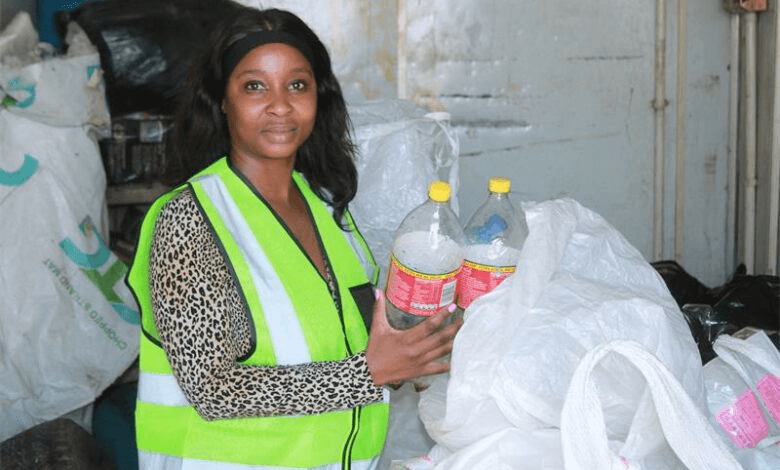
Her operation currently runs from a single container, now filled beyond capacity. She collects organic waste, cans, plastic bottles, and LDPE packaging plastic, which she identifies as one of the biggest environmental threats due to its slow degradation and high pollution risk.
By diverting recyclable waste from landfills, her model supports national waste reduction targets outlined in South Africa’s National Waste Management Strategy.
Illegal Dumping Needs to Stop Near Homes and Heritage Sites
Illegal dumping needs to stop, especially in areas close to homes, parks, and cemeteries. The Daveyton site sits next to a heritage space that deserves protection and respect.
Sebiloane proposes alternative land use options alongside recycling.
- Clean and rehabilitate the park
- Plant trees and restore green space
- Develop small-scale agriculture projects
- Operate a controlled recycling facility
Each option reduces dumping while restoring dignity to the area.
Environmental health experts warn that prolonged exposure to illegal dumping sites increases respiratory illnesses, skin infections, and water contamination risks.
Youth Development and Economic Impact
The proposal extends beyond waste collection. Sebiloane plans to establish a waste management academy to train unemployed youth in recycling, innovation, and manufacturing using recycled materials.
This initiative addresses two urgent challenges in Daveyton.
- High youth unemployment
- Poor waste management practices
Skills development linked to recycling supports the circular economy and creates long-term income opportunities. It also builds local accountability for waste management.
Council Response Still Pending
The Benoni City Times has requested comment from the City of Ekurhuleni. At the time of publication, no response has been issued.
Residents continue to wait for action while illegal dumping worsens daily living conditions.
Also Read: Ekurhuleni Bus Services Timetable