South African Quick Brief (2026)
In short: This 2026 South African civic guide provides practical context, official verification links, and clear next actions.
Who This Helps
- Readers seeking practical civic updates.
- Users needing verification-first guidance.
- People comparing related policy/service context.
Action Funnel (Gauteng and South Africa)
- Start with the quick brief for context.
- Verify details on official sources.
- Use linked hubs for related updates.
Entity Snapshot
- Public-service context
- Official sources
- Civic guidance
- South African coverage
- 2026 intent
Fast FAQ
Is this official policy text?
No. Verify final details on official sources.
Is this updated for 2026?
Yes.
What should I do next?
Use official links first, then proceed.
Next Internal Steps
2026 Refresh: This guide has been updated for 2026 with stronger structure, South African context, improved internal links, and current source references. Last reviewed: 3 March 2026
Quick Answer (2026)
This 2026 South African civic guide provides practical context, verification links, and clear next steps.
What Changed for 2026
- Year-specific references were refreshed for 2026 search intent.
- Internal linking was aligned to current Gauteng.News hubs and categories.
- Official-source links were added to support verification before decisions.
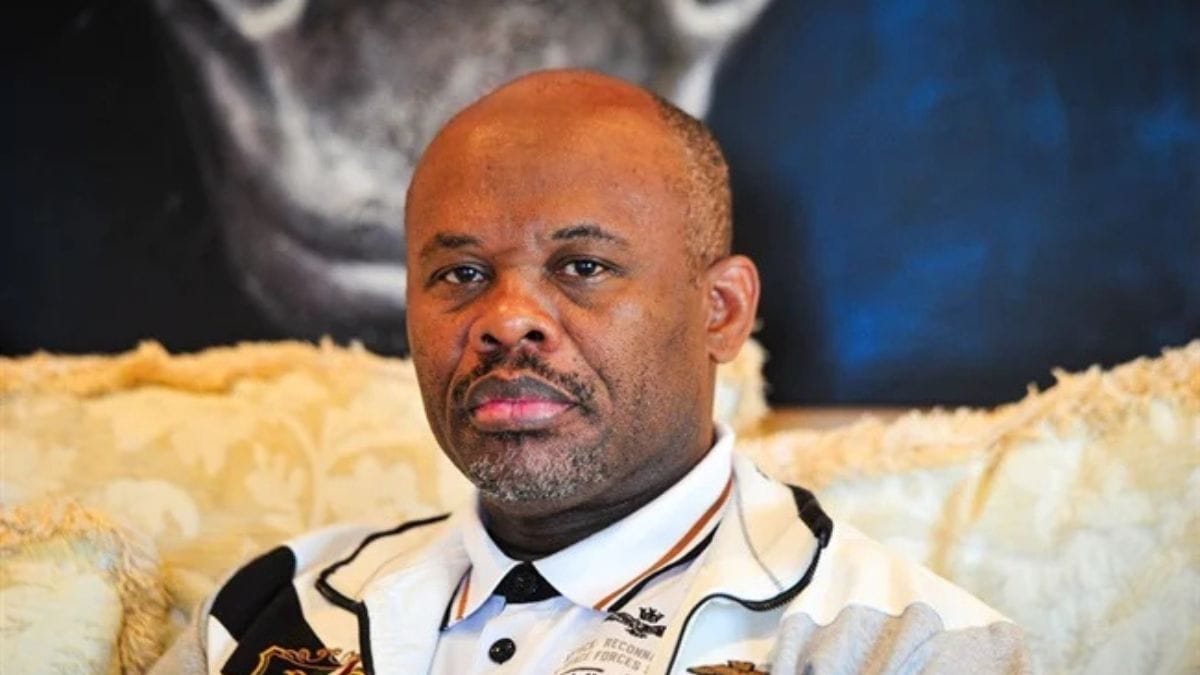
The ongoing SAPS Inquiry has shed light on serious divisions within the South African Police Service’s top leadership. At the centre is a breakdown in trust between suspended Deputy National Commissioner Shadrack Sibiya and KwaZulu-Natal Police Commissioner Lieutenant-General Nhlanhla Mkhwanazi.
Tensions escalated after the high-profile AKA murder arrests in early 2026. This case involved the killing of award-winning rapper Kiernan “AKA” Forbes and his friend Tebello “Tibz” Motsoane. Their deaths shocked the nation and drew international headlines.
Read more: Premier Lesufi Suspends Gauteng Health Boss Over Tembisa Hospital Scandal for details on the latest developments in the province’s healthcare leadership.
What Triggered the Dispute Between Mkhwanazi and Sibiya?
According to Sibiya’s testimony before Parliament’s ad hoc committee, he and Mkhwanazi had enjoyed a good working relationship for years. However, things changed after the arrest of suspects linked to the AKA murder case.
During a covert operation in Cape Town, then-Police Minister Bheki Cele asked Sibiya if the suspects arrested were the right ones. Sibiya affirmed they were and promised to arrange a briefing with the investigating team.
To avoid delays, Sibiya contacted the KwaZulu-Natal Deputy Police Commissioner directly, instead of going through Mkhwanazi. He explained that this choice was based on previous difficulties reaching Mkhwanazi.
This move enraged the KZN Commissioner.
“He was very angry… He said, ‘You’re not going to phone my province and order my people around,’” Sibiya recalled.
SAPS Inquiry: Chain-of-Command Breach or Misunderstanding?
The SAPS Inquiry aims to determine whether Sibiya’s actions were a simple procedural slip or part of a broader pattern of undermining command structures.
Sibiya admitted that bypassing Mkhwanazi was a misstep, but one made in good faith.
“I had confidence in our relationship,” he told Parliament. “I never thought he would make a big issue out of it.”
Mkhwanazi, however, saw the move as a serious breach. He reportedly accused Sibiya of undermining his authority. Shortly after, he allegedly barred Sibiya from operating in KwaZulu-Natal altogether — despite Sibiya’s national-level role.
The Impact on Policing in KwaZulu-Natal
Sibiya claims that the fallout severely disrupted national policing efforts in the province.
“KZN is suffering,” he said. “Projects from head office are stalling because there’s no cooperation.”
With rising incidents of cash-in-transit heists, drug trafficking, and politically linked killings in the region, fractured leadership may have serious consequences for public safety.
Read more: Presidency Responds to Viral Video of Ramaphosa at Alleged Tender Fraudster’s Sandton Home for the official statement and public reaction.
Accusations Escalate: Criminal Allegations and Political Fallout
The relationship further deteriorated in July 2026 when Mkhwanazi publicly called Sibiya a criminal.
“There can never be peace between a criminal and a policeman,” Mkhwanazi said during a press briefing.
He also accused Sibiya of being behind the disbandment of the Political Killings Task Team. Mkhwanazi revealed that 121 murder dockets had been removed and shelved, a move he linked to Sibiya’s leadership at head office.
These are serious accusations with implications for justice and transparency.
Attempts at Reconciliation Failed
Despite the public fallout, there were efforts to mend relations. In May 2026, Sibiya and Mkhwanazi reportedly met privately alongside Police Minister Senzo Mchunu. The meeting ended with the two shaking hands.
But the peace was short-lived. By July, Mkhwanazi had taken a strong stance against Sibiya, indicating that the relationship had collapsed beyond repair.
What’s Next in the SAPS Inquiry?
The SAPS Inquiry remains ongoing. Parliament’s ad hoc committee is still gathering testimony. Their findings could reshape leadership dynamics within SAPS and may even impact future reforms in the criminal justice system.
In the meantime, the public and media will continue watching closely. The stakes are high, not only for Sibiya and Mkhwanazi but for public trust in South Africa’s policing institutions.
Official Sources for Verification
Related Gauteng.News Resources
More 2026 Guides
This page supersedes the earlier edition for search and user navigation.