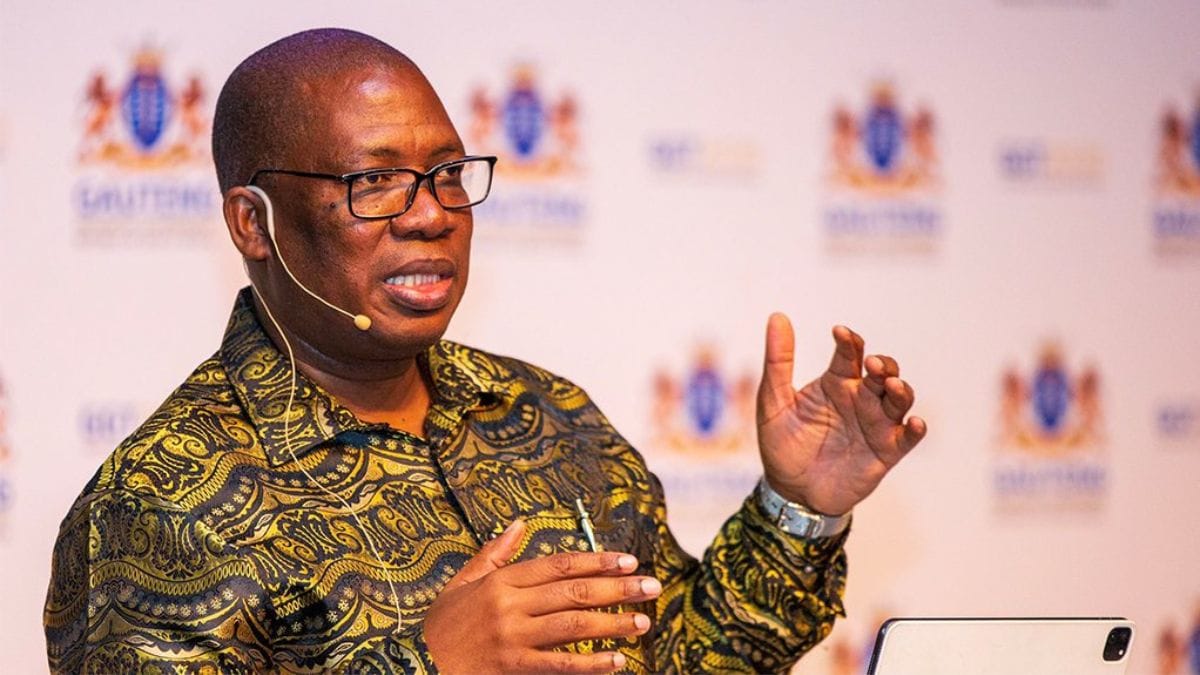
The Nasi iSpani Returns initiative is back with a bold commitment to tackling youth unemployment in Gauteng. Premier Panyaza Lesufi announced that the programme will launch its second phase on Saturday, 7 September 2025, aiming to create 45,000 work and training opportunities across the province.
This large-scale public employment programme, first launched in 2023, is now positioned as a key driver for youth upliftment through direct public service jobs, skills development, and internship placements.
What is Nasi iSpani?
Nasi iSpani is a youth-targeted job creation initiative by the Gauteng Provincial Government. Its goal is to provide unemployed young people with practical work experience and technical training. The first phase saw over 1 million applications and placed thousands into various sectors.
Now in its second phase, dubbed Nasi iSpani 2.0, the programme has expanded to include more diverse roles, improved training, and deeper integration into government departments.
For full details on this week’s power cuts, see our Gauteng Load Reduction Schedule: Full List of Affected Areas (3 – 9 Sept 2025).
🗣️ “Nasi iSpani is not a panacea or magic wand… but it is a bold step towards creating a capable state,” said Lesufi.
Who Qualifies for the Programme?
The initiative targets youth aged 18 to 35 who are currently not in employment, education, or training (NEET). Lesufi stated that the selection process will be transparent and merit-based, with special consideration for those who applied in the first round but were not placed.
Applicants must register via the Nasi iSpani digital platform.
Jobs and Opportunities on Offer
The programme offers short-term contracts across various fields. These include:
- Public service assistants
- Traffic wardens
- Administrative officers
- Data capturers
- General workers
- Teaching assistants
- ICT and call centre interns
Each placement runs for approximately 12 months, providing income and essential work experience.
Skills Training and Development
A standout feature of Nasi iSpani Returns is its heavy focus on skills development. The Unemployed Youth Skills Development Initiative (UYSDI) will enrol 2,810 participants across 72 technical schools. Trainees will receive practical instruction in:
- Plumbing
- Electrical installation
- Automotive repair
- Construction and tiling
- Painting and furniture restoration
- Horticulture and landscaping
“We are not just giving jobs. We are investing in the future of our youth,” Lesufi affirmed.
Read how the party is pushing back against rising electricity costs in SACP Opposes Eskom’s 8.8% Tariff Hike to Protect Poor and Working Class.
Strategic Support from the Gauteng City Region Academy
The Gauteng City Region Academy, in collaboration with sectoral stakeholders, will offer additional training in:
- Solar PV installations
- Welding
- ICT learnerships
- Carpentry and bricklaying
- Mining community upskilling
These programmes aim to create long-term employability and entrepreneurial potential for beneficiaries.
Addressing Criticism Head-On
Despite the programme’s popularity, critics argue that it serves as a political tool. Lesufi, however, dismissed this, saying:
“If it was about politics, we wouldn’t launch this now. There are no elections.”
He added that job creation is a constitutional responsibility, not a campaign strategy.
Funding and Governance
According to Gauteng’s provincial government allocated an additional R50 million for Nasi iSpani’s expansion, sourced from unspent 2024 funds.
The programme also draws support from the Presidential Youth Employment Initiative (PYEI), ensuring national alignment.
Gauteng’s Bigger Picture: Transport and Infrastructure
Beyond employment, Lesufi used the platform to highlight upcoming developments:
- Gautrain Expansion: A preferred bidder will soon be appointed. The route will extend to Soweto, Roodepoort, Mamelodi, and Fourways.
- Road Infrastructure: Over 1,500 potholes repaired, 70% of road trimming and litter removal completed for G20 preparations.
- Energy Efficiency: Streetlight repair is 74% complete, with over 21,000 lights targeted.
More Than Jobs
The return of Nasi iSpani reflects a broader governance approach rooted in economic inclusion. By offering practical jobs and focused skills training, Gauteng is taking active steps toward reducing youth unemployment.
With 45,000 roles available, Nasi iSpani 2.0 is more than a job placement drive—it’s a blueprint for provincial transformation.
“We want our youth to be employable, empowered, and in charge of their futures,” Lesufi concluded.
Stay informed about upcoming municipal polls in Local Government Elections Set to Take Place Between November 2026 and January 2027.