South African Quick Brief (2026)
In short: This 2026 Gauteng utility guide helps residents plan around outages, schedules, and service disruptions with trusted references.
Who This Helps
- Residents affected by utility disruptions.
- Households planning around public-service changes.
- Readers needing quick context and next steps.
Action Funnel (Gauteng and South Africa)
- Use the quick summary to confirm your disruption or service context.
- Check official sources before making final decisions.
- Use linked hubs for broader outage and transport-service updates.
Entity Snapshot
- Public-service updates
- Power and utility context
- Official verification sources
- 2026 Gauteng planning context
- Service-disruption guidance
Fast FAQ
Should this guide replace official notices?
No. Use this guide for context and always confirm with official notices.
Is this updated for 2026 coverage intent?
Yes. It has been refreshed for 2026 search relevance and navigation.
Where can I track related disruptions?
Use the linked Traffic & Load Shedding Hub and News category pages.
Next Internal Steps
2026 Refresh: This guide has been updated for 2026 with stronger structure, South African context, improved internal links, and current source references. Last reviewed: 3 March 2026
Quick Answer (2026)
This 2026 utility and public-service guide helps Gauteng residents plan around disruptions and policy changes using trusted references.
What Changed for 2026
- Year-specific references were refreshed for 2026 search intent.
- Internal linking was aligned to current Gauteng.News hubs and categories.
- Official-source links were added to support verification before decisions.
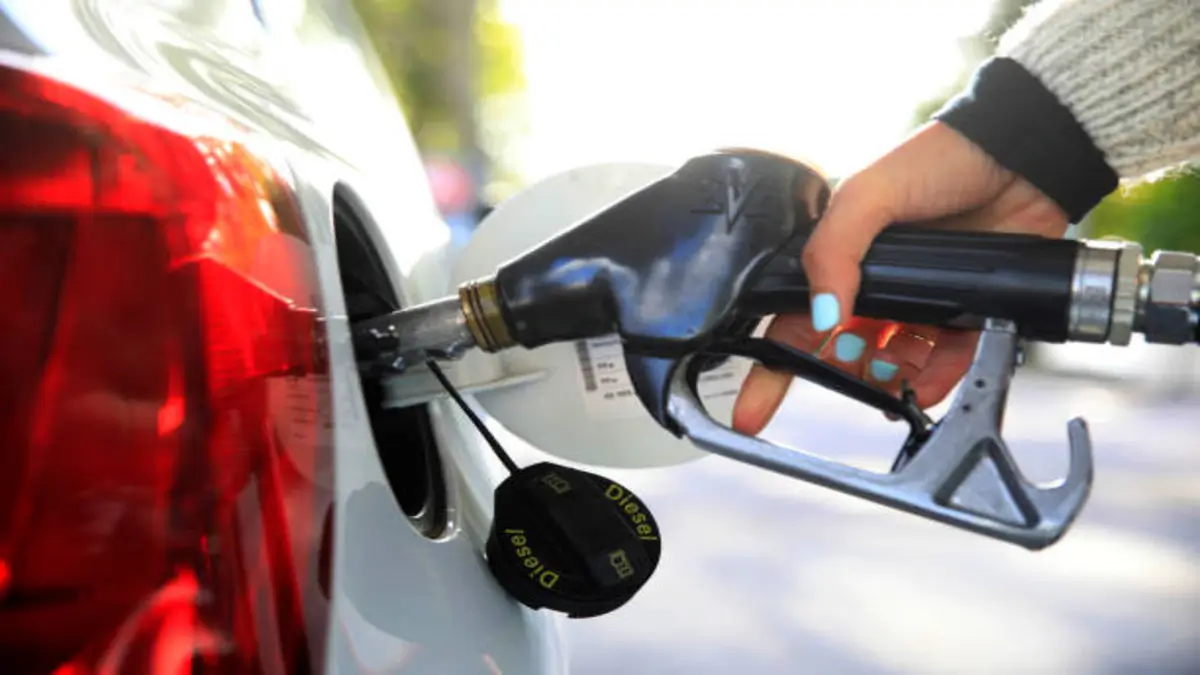
Motorists across South Africa are bracing for a petrol price hike in July 2026, as global oil markets react to escalating conflict in the Middle East. The increase comes on the back of a surge in international oil prices, driven by rising geopolitical tensions following Israel’s military strikes on Iranian nuclear sites.
Oil Prices Surge on Middle East Conflict
Global benchmark Brent Crude oil spiked significantly on Friday, rising more than 7% to close at $74.23 per barrel. This comes after an initial dramatic 13% surge earlier in the day. The sharp jump was triggered by fears of a broader conflict in the oil-rich Middle East region, particularly after Israel’s attacks raised the risk of disruptions to oil supply from Iran.
This marks a notable increase from the previous month’s average price of $63.95 per barrel, which was used to calculate South Africa’s current fuel prices. The latest surge has already caused alarm among market analysts and government energy departments, who warn that it could severely alter the fuel price outlook for July.
Local Petrol Prices Set to Rise
While early June data from the Central Energy Fund (CEF) had indicated small price cuts of about 7 cents per litre for 95 Unleaded petrol and 11 cents for 50ppm diesel, those projections are now outdated. The current trends in international oil prices suggest that instead of a decrease, South Africans should expect a noticeable increase at the pumps in the coming weeks.
If the upward momentum in oil prices continues through to the end of June, experts believe local fuel prices could rise by more than 30 cents per litre.
Currently, the inland price for 93 Unleaded petrol sits at R21.24 per litre, while 95 ULP retails for R21.35. Coastal motorists are paying R20.55 for 95 ULP.
Market Fears Over Oil Supply Disruptions
According to Matthew Ryan, head of market strategy at Ebury, global investors are increasingly concerned about the potential for a prolonged conflict between Israel and Iran to affect oil supply. Iran is a major oil producer, contributing between 4% and 5% of the world’s fuel output.
“Escalating tensions could lead to major disruptions in Iranian oil production, which in turn may have global economic consequences,” Ryan said in an interview. “The broader implications of rising oil prices could extend to higher global inflation and increased pressure on central banks to act.”
The uncertainty is also likely to complicate decisions by monetary authorities, who now face the difficult balancing act of managing inflation while trying to stimulate economic growth.
Worst-Case Scenario Could See Oil Reach $130
Investment bank JP Morgan has maintained its forecast of oil averaging in the low-to-mid $60 range for the rest of 2026 and into 2026. However, the bank has warned of a severe upside risk should tensions escalate further.
According to a recent OilPrice.com report, the most extreme scenario—such as the closure of the Strait of Hormuz, through which roughly 20% of global oil supply passes—could push crude oil prices to between $120 and $130 per barrel.
Such a development would likely trigger substantial global economic consequences, including steep increases in fuel and transportation costs, higher inflation, and further volatility in currency and commodities markets.
What This Means for South Africans
The confirmed fuel price increase in July is expected to hit consumers already grappling with a high cost of living. Transport operators, logistics firms, and everyday commuters will all feel the squeeze, potentially triggering price hikes in goods and services across the board.
South Africa’s Department of Mineral Resources and Energy is expected to announce the final fuel price adjustments for July in the first week of the month, with new prices coming into effect on Wednesday, July 3.
Motorists are advised to fill up their tanks before the increase takes effect, as global events continue to cast a shadow over the stability of fuel prices in the months ahead.
Related article: June Fuel Price Update: Slight Petrol Price Drop Expected Despite Levy Hike
Official Sources for Verification
Related Gauteng.News Resources
More 2026 Guides
This page supersedes the earlier edition for search and user navigation.