South African Quick Brief (2026)
In short: This South African 2026 transport and civic-services guide is built for action: check requirements, verify official rules, and follow clear next steps.
Who This Helps
- Drivers and motorists needing service clarity.
- Readers checking election and civic-service workflows.
- Users needing trusted verification before acting.
Action Funnel (Gauteng and South Africa)
- Use the summary to identify the exact service action required.
- Verify requirements via official transport/civic portals.
- Continue via linked hub pages for related updates.
Entity Snapshot
- Licence services
- Transport-policy context
- IEC and civic-service workflow
- Official portals
- 2026 South African service intent
Fast FAQ
Can I rely on this article alone?
No. Use it as practical guidance, then verify official rules first.
Is this page updated for 2026?
Yes. The guidance and links were refreshed for 2026 intent.
What is the safest next step?
Confirm details on official sources before taking action.
Next Internal Steps
2026 Refresh: This guide has been updated for 2026 with stronger structure, South African context, improved internal links, and current source references. Last reviewed: 3 March 2026
Quick Answer (2026)
This 2026 South African transport and civic-services guide explains practical steps, verification routes, and what to check before acting.
What Changed for 2026
- Year-specific references were refreshed for 2026 search intent.
- Internal linking was aligned to current Gauteng.News hubs and categories.
- Official-source links were added to support verification before decisions.
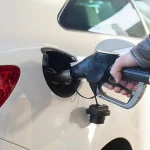
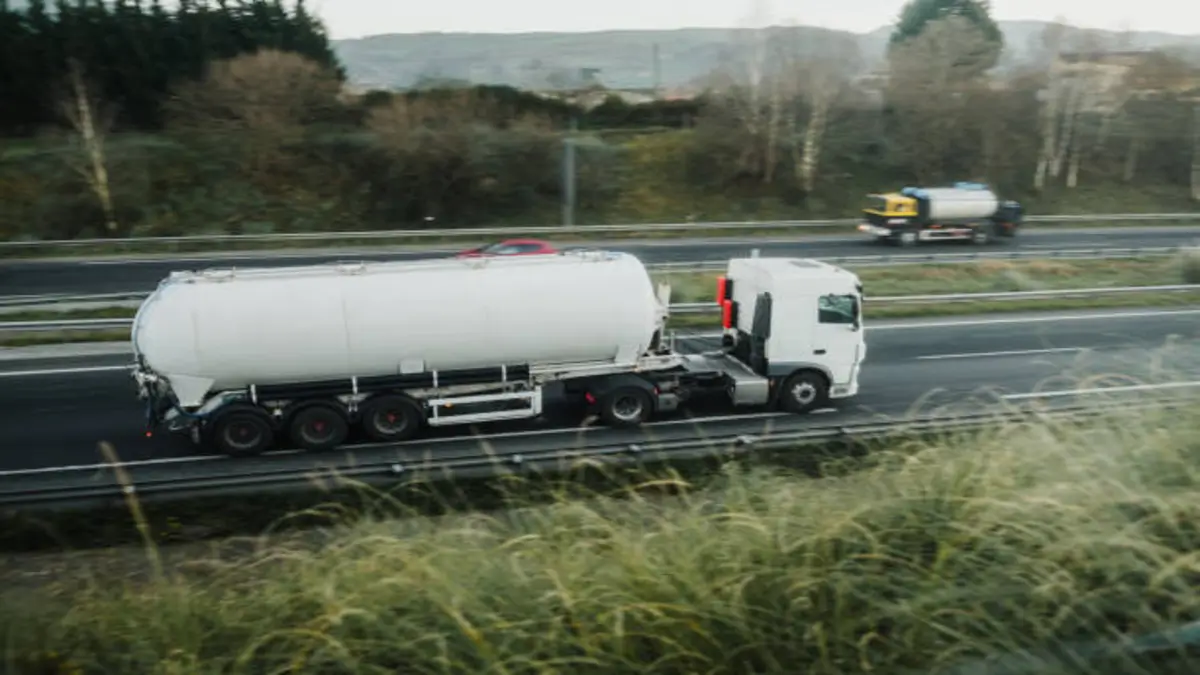
South Africa’s fuel suppliers are increasingly turning to trucks to move fuel inland as the costs of using the country’s main pipeline, operated by Transnet, continue to escalate. This shift marks a significant change in the logistics landscape as businesses weigh economic efficiency against traditional infrastructure.
The shift comes after the National Energy Regulator of South Africa approved an 8.7% tariff hike for the Transnet pipeline effective April 1. This key pipeline, which stretches 555 kilometers from the coastal city of Durban to Gauteng — home to the commercial powerhouse Johannesburg — is set to see a further 5.7% price increase in the next fiscal year.
Trucking: A Competitive Alternative
Avhapfani Tshifularo, CEO of the Fuels Industry Association of South Africa — representing major players like BP, Shell, and TotalEnergies — stated that using trucks for transport has become a practical option. “Trucking fuel just makes sense, it’s quicker, and the cost is almost the same,” he said, emphasizing that ongoing tariff increases are linked to declining pipeline volumes.
Transnet Faces Operational Challenges
Transnet, a state-owned entity, has faced years of mismanagement and corruption, which have undermined its logistics operations, from freight rail to port services. The current focus is on restoring efficiency, but growing fuel imports — driven by a shrinking domestic refining sector — have intensified pressure on the inland supply chain.
Seeking Long-Term Solutions
Transnet acknowledged concerns around rising logistics expenses. The company said it is finalizing a study to assess fuel demand, infrastructure limitations, and ways to boost pipeline throughput and ultimately lower transport costs over time.
High Costs of Combined Transport
Currently, transporting fuel through the pipeline still requires final-stage delivery by truck. Daan Joubert, managing director at Auto Commodities and Payloads, pointed out that the total cost of this method can be about 33% higher than simply using trucks for the entire journey.
Joubert also highlighted that reducing pipeline tariffs could benefit the broader economy, particularly in inland areas, by lowering fuel prices and stimulating economic activity.
Pipeline Usage Declines Despite Upgrade
Originally upgraded in 2012 to enhance supply reliability and cut down road congestion, the pipeline has seen a steady decline in refined fuel volumes over the past five years. Transnet missed its 2026 volume targets by 11%, even though the pipeline unit reported increased revenue. Still, the pipeline has historically handled around 85% of the inland market’s fuel distribution.
Falling Demand Compounds Challenges
Market trends show a reduction in both diesel and petrol consumption, the lowest since 2020, as economic growth remains sluggish and fuel efficiency in vehicles improves. Tshifularo noted that this is placing further pressure on demand, especially for diesel.
As costs rise and market conditions evolve, fuel suppliers in South Africa appear poised to embrace road transport as a flexible and increasingly viable alternative to pipelines — signaling a notable shift in the country’s fuel logistics strategy.
Fuel Suppliers Weigh Their Options
As margins tighten and costs increase, South African fuel suppliers are rethinking their transport strategies. Trucking offers flexibility, competitive pricing, and shorter delivery times, making it an increasingly attractive alternative to the pipeline system. While Transnet seeks to regain efficiency and stabilize its operations, suppliers are already adapting to shifting economic realities. The path forward will depend on how quickly the logistics sector can evolve to meet the dual demands of cost-effectiveness and supply reliability.
This transition also reflects a broader trend in the energy sector, where logistical agility is becoming essential. As fuel consumption patterns change and infrastructure ages, decision-makers must balance short-term efficiencies with long-term sustainability. Whether the future lies in pipelines, road transport, or a hybrid approach, the industry faces a pivotal moment of transformation.
Related article: Petrol Price Increases Announced for South Africa: What to Expect in 2026
Official Sources for Verification
Related Gauteng.News Resources
More 2026 Guides
This page supersedes the earlier edition for search and user navigation.