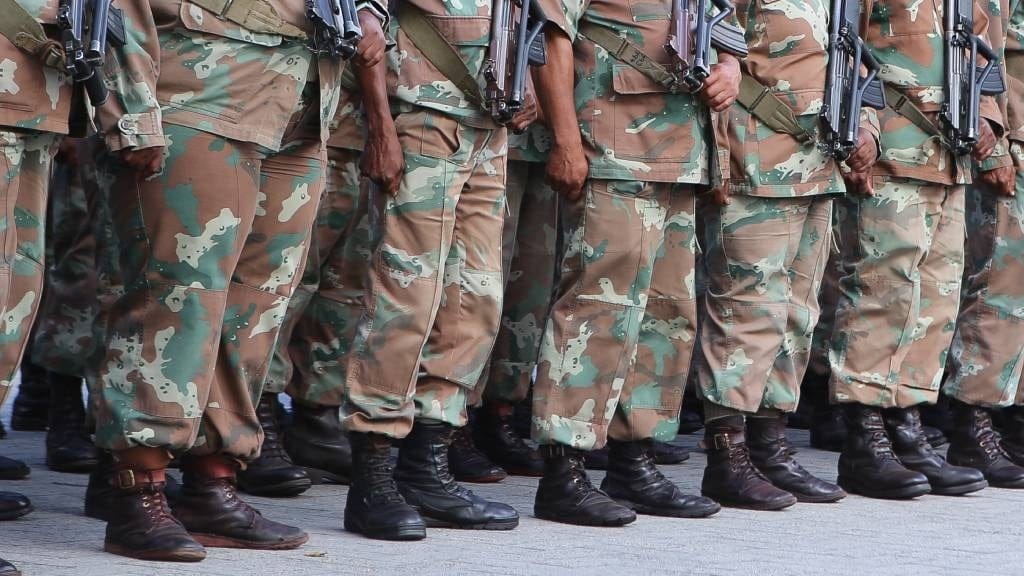
After signing a peace accord with the M23 rebels, the South African National Defence Forces (SANDF), have begun their withdrawal phase from the Democratic Republic of Congo. South Africa’s role as a peacekeeper in the DRC is ending. It has supported the government to stabilize the eastern region of the country, which for years has been a hotbed for armed conflict.
Peace is possible in the Congolese region, which has been ravaged by violence over the past decade. The M23 rebels and the Congolese Government have reached a peace agreement. The DRC is now in the spotlight as the SA troops withdraw. What does this mean for South Africa as well as the DRC, though? Take a closer look.
Withdrawal of SA Troops from DRC: A Major Step towards Peace
The SA troop withdrawal began on April 29th, 2025, and will be completed at the end of May. The Southern African Development Community’s (SADC) Mission to the DRC (SAMIDRC) has ended a crucial phase. It was established in 2023 in order to assist the Congolese Government in its fight against armed groups operating in the eastern provinces of the country. The mission is ending, but the M23 peace deal marks a new chapter in both the DRC and South Africa.
The DRC is gradually taking back control of its security as South African peacekeepers return via Rwanda and Tanzania. The decision to start the withdrawal is a sign of confidence in the peace process, but also caution. It’s not yet too late to achieve long-term peace in the region.
A Landmark Agreement with M23 Rebels
The M23 rebels’ peace agreement with the Congolese Government is a historic step for the DRC. The M23 rebels have destabilised the area for years by capturing key territory and engaging in violent conflict against government forces. The peace agreement represents a major breakthrough. Both sides agreed to a ceasefire and to establish a joint force to supervise the disarmament.
The M23 rebels agreed to stop their offensive and help rebuild vital infrastructure such as the Goma Airport, allowing foreign peacekeepers to leave safely. The cooperation between the rebels, the government, and other stakeholders could lead to a more peaceful and united DRC. However, it is still important that all parties adhere to the agreement.
Facts and casualties during the Mission
Peacekeeping in the DRC was not without challenges. In clashes against the M23 rebels, 14 South African and three Malawian troops were killed. These deaths reflect the dangers of peacekeeping, even in conflict zones.
General Rudzani, Maphwanya, Chief of the SANDF,F acknowledged the sacrifices of troops. He said: “The loss in life is a heavy load, but we’re proud of the work that we’ve accomplished.” As we withdraw, our soldiers will be able to take over the security of the DRC.
Expert insights on the SA Troops withdrawal and DRC’s future
Experts remain cautious in their assessment of the future, despite the fact that the peace agreement has been hailed by many as a positive development for the DRC. There is a security gap left by the withdrawal of South African forces, and it’s feared that without a strong internal governance system, the region may slide back into war. Many analysts, however, believe that the peace agreement is a positive step, as long as the Congolese Government remains committed to implementing it.
Dr. Thandiwe Mkhize, peace and security expert from the University of Pretoria, said: “The agreement represents a beacon of light, but that is not the end of this story.” We must see continued efforts to implement the agreement, especially in terms of disarmament.
Sipho Dlamini is a political analyst specialising in African peacekeeping. He also stressed the importance of regional co-operation: “South Africa’s withdrawal signals a move towards an African-led solution to African problems.” The DRC and the region as a whole will have to take on responsibility for their peace and security.
South Africa’s evolving role in peacekeeping
South Africa’s military forces have been involved in stabilising conflict areas across the continent for many years. South African peacekeepers were at the forefront of peacekeeping missions from Sudan to Central African Republic. The South African peacekeeping approach has changed with the departure from the DRC.
South Africa does not want to continue as the dominant foreign force in conflict areas, but rather advocate regional solutions where African nations are in charge of maintaining peace and safety. Thandi Modise, the Minister of Defence, highlighted this point by saying: “The removal of our troops from DRC marks a change in direction for peacekeeping activities in Africa.” We believe African countries should take the lead to address the security challenges that face our continent.
The DRC: Looking ahead, challenges and opportunities
After the South African troops have withdrawn, the DRC faces the difficult task of consolidating peace and securing its eastern provinces. The peace agreement with the M23 is a positive development, but it does not guarantee long-term security. The DRC must address the causes of conflict, including political instability, economic inequality, and proliferation of armed groups.
South Africa will continue to provide aid and diplomatic support for the DRC. The responsibility for peace, security and stability ultimately rests with the Congolese people and government. If the DRC is able to successfully reintegrate ex-rebels, rebuild infrastructure, and strengthen governance, it could create a precedent in the region for peace.
The Future of DRC after the SA Troops withdrawal
The South African troop withdrawal from the DRC marks a momentous occasion, not only for South Africa, but also for the DRC as well as the entire African continent. This reflects both the success of a peace agreement with M23 rebels and the shift to African-led efforts in peacekeeping. The role of international peacekeepers is likely to change as the DRC assumes more responsibility for its security. A stronger focus on regional cooperation will be placed on the role.
The peace agreement offers hope for a more stable future in the DRC. However, there is still much to do. The country needs to build on the agreement and make sure that all parties are committed to peace. This marks the end of an era in South Africa’s peacekeeping efforts, but its continued support of regional peace initiatives is crucial to the future of Africa.
ALSO READ: Sadtu National Strike: Gauteng Education to Cut Pay for Teachers Who Joined Sadtu Protest