Cwecwe’s tragic story has brought to the fore the issues of gender-based violence and child safety in South Africa. Justice for Cwecwe is a campaign to demand justice for Cwecwe and urgent action from citizens in South Africa as the country struggles with a rise in abuse cases.
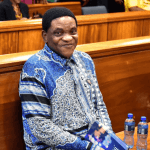
Maite Nkoana Mashabane Chikunga, Minister for Women, Youth, and Persons with Disabilities, revealed recently that Cwecwe’s medical records showed signs suggesting abuse was not an isolated incident. The shocking revelation has caused a national outcry demanding answers from the institutions and authorities involved.
Chikunga’s Statement on Cwecwe’s Medical Records
Minister Chikunga confirmed medical reports that indicated Cwecwe had been raped, but additional details indicate it may not have her first time. Chikunga said that there is no doubt about whether or not there was a sexual assault. It is possible, based on the information that we have heard that this was not her first rape.
This revelation has intensified the calls for accountability. This young girl’s possible abuse highlights the need for stronger measures to prevent tragedies. Medical evidence has confirmed this pattern. Questions about institutional failures, such as the delayed response of the school, have now taken center stage.
The Investigation Continues
Authorities are focusing their investigation on Cwecwe’s assault, and they’re not leaving any stone unturned. DNA samples were collected from key people, including the driver, caretaker and the principal of the school, who initially refused to provide his DNA sample. Minister Chikunga stated that “Samples will be taken from anyone who may have been in contact with Cwecwe at the time of the incident to either exonerate them or implicate.”
The case has revealed significant gaps in the response of the school. Now, the focus is on revealing the truth. Investigators are working hard to find out if the abuse was widespread and if other children were affected.
Criticism of the School’s Handling of the Incident
The delay in reporting this assault is one of the most alarming features of the case. Chikunga criticised the principal of the school for failing to notify the authorities promptly, stating that it was the responsibility of the authorities to act quickly in such a case. Chikunga said that the mother had reported the incident, but the school principal, who was supposed to report it to senior officials in education and other authorities, did not. “What about his duty to protect the rights of children at all costs?”
Inaction by the school not only increased the trauma suffered by Cwecwe, but it also raised concerns about the effectiveness of child protection policies at South African schools. This case demonstrates the urgent need to improve reporting protocols in order to protect children from abuse.
Government Action on Gender-Based Violence
Chikunga’s statements coincide with a growing concern in South Africa about gender-based abuse. Cyril Ramaphosa declared gender-based violence a national emergency and called for immediate intervention. The government has launched several initiatives to tackle the root causes behind GBV and ensure justice for victims such as Cwecwe.
The Department of Women, Youth, and Persons with Disabilities launched a National Strategic Plan to combat GBV. This plan includes rapid response teams, dashboards for GBV and Femicide, and prevalence studies in order to better understand the extent of the problem. A 100-day challenge was also implemented to ensure cases were resolved quickly.
These measures are part of a larger strategy to combat high levels of violent crime that affect women and children disproportionately in the country. It is clear that the government is committed to this issue, but there is still much to do to make real changes and support survivors.
The Importance of Awareness and Advocacy
Justice for Cwecwe has been a catalyst for public awareness and for advocacy. Civil society organizations, community leaders and citizens are all calling for comprehensive reforms in order to prevent the abuse or neglect of children. Activists call for more public education about the signs of child abuse and clearer guidelines on how to report suspected cases.
Chikunga said that “the systemic issues surrounding child abuse require an entire society response.” “It is not only the government’s responsibility to protect children. Every community member must be involved in preventing abuse and ensuring justice.”
ALSO READ: NPA to Review Legal Options After Timothy Omotoso Walks Free in Rape and Trafficking Case
The case of Justice for Cwecwe is a painful reminder that systemic failures allow abuse to continue in South African society. The nation is watching the investigation, hoping that justice will be served not only to Cwecwe but also to other children who have been affected by violence.
Public outcry is already leading to more discussions about improving child protection policies and gender-based violence. The Justice for Cwecwe campaign has sparked a demand for systemic changes, calling for stronger protections and immediate interventions in child abuse cases.
It is evident that as the case unfolds in South Africa, only a concerted government effort, community efforts, and institutional efforts will result in meaningful changes to how it protects its most vulnerable citizens.