South African Quick Brief (2026)
In short: This 2026 South African civic guide provides practical context, official verification links, and clear next actions.
Who This Helps
- Readers seeking practical civic updates.
- Users needing verification-first guidance.
- People comparing related policy/service context.
Action Funnel (Gauteng and South Africa)
- Start with the quick brief for context.
- Verify details on official sources.
- Use linked hubs for related updates.
Entity Snapshot
- Public-service context
- Official sources
- Civic guidance
- South African coverage
- 2026 intent
Fast FAQ
Is this official policy text?
No. Verify final details on official sources.
Is this updated for 2026?
Yes.
What should I do next?
Use official links first, then proceed.
Next Internal Steps
2026 Refresh: This guide has been updated for 2026 with stronger structure, South African context, improved internal links, and current source references. Last reviewed: 3 March 2026
Quick Answer (2026)
This 2026 South African civic guide provides practical context, verification links, and clear next steps.
What Changed for 2026
- Year-specific references were refreshed for 2026 search intent.
- Internal linking was aligned to current Gauteng.News hubs and categories.
- Official-source links were added to support verification before decisions.
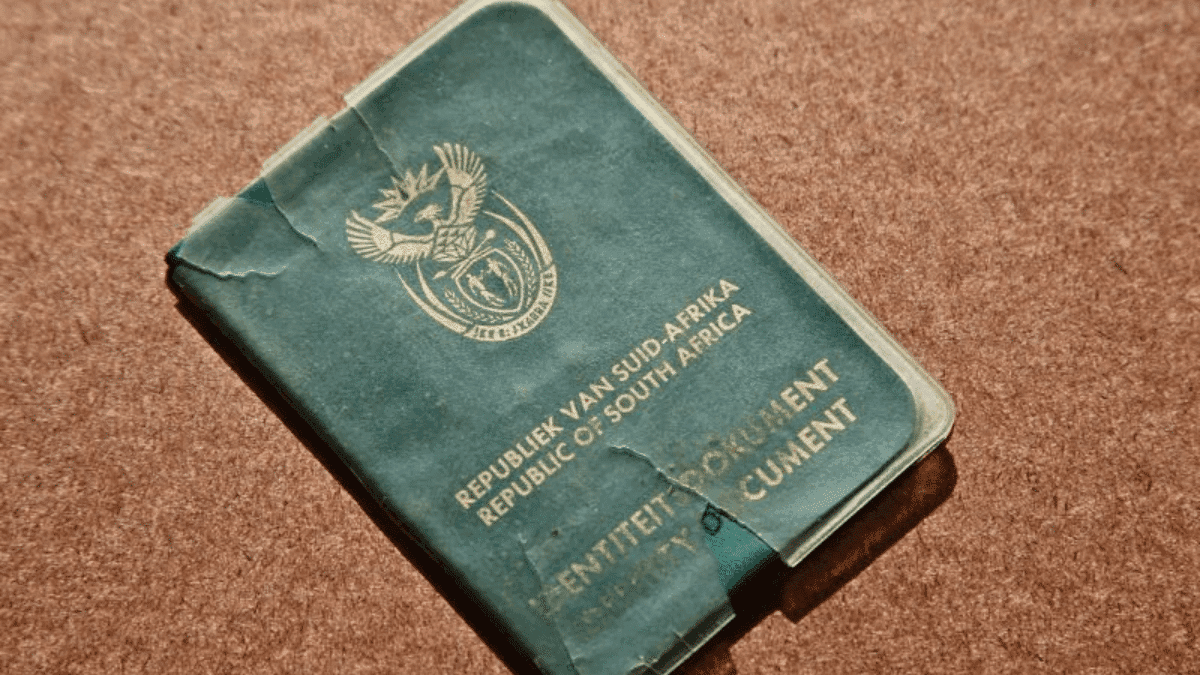
Home Affairs Minister Leon Schreiber outlines ambitious plans to replace green ID books with Smart IDs by the end of 2026.
South Africa to Phase Out Green ID Books: The Department of Home Affairs is fast-tracking the rollout of Smart IDs across South Africa, with the ultimate goal of completely replacing the traditional green ID book. Home Affairs Minister Leon Schreiber has announced plans to make Smart IDs widely accessible to all eligible citizens by the end of 2026.
This development is expected to have a significant impact on the 2026 local elections, ensuring that more citizens have secure and modern identification documents.
Expansion of Smart ID Access
To accelerate the transition, the Department of Home Affairs plans to scale up ID and passport services at bank branches nationwide. This follows a successful pilot project that provided Smart ID services at 30 bank branches over the past decade.
Schreiber emphasized the need to extend this programme to “hundreds or even a thousand” bank branches, making it easier for citizens to obtain Smart IDs closer to their residences.
One of the primary reasons for replacing the green bar-coded ID book is its vulnerability to fraud. The introduction of Smart IDs aims to enhance security and prevent identity theft.
Challenges and IT System Improvements
While the push for Smart IDs is underway, Schreiber acknowledged that IT system constraints have hindered access, particularly for naturalized citizens and permanent residents. Some applicants have reported being turned away despite receiving notices to apply.
To address this issue, the Department of Home Affairs is manually assisting these applicants through an invitation-based system while working to resolve technical challenges.
The Future of Digital Identification in South Africa
Beyond the Smart ID rollout, South Africa is also planning a fully digital ID system. Schreiber revealed that the Department of Home Affairs is developing a secure digital identity platform to be implemented by the next national elections in 2029.
This digital ID system will allow South Africans to store their IDs and official documents on smartphones, providing a verifiable credential based on facial or fingerprint biometrics. The initiative has received support from President Cyril Ramaphosa and the South African Revenue Service (SARS), as it could streamline government services and transactions.
By linking unique digital identifiers (UDI) to government services, South Africa aims to improve efficiency in areas such as state subsidies and tax processing.
With the goal of phasing out green ID books, South Africa is making significant strides in rolling out Smart IDs. While technical challenges persist, the government is committed to expanding access and ensuring a smooth transition.
As the country prepares for a digital future, citizens can expect a more secure, efficient, and accessible identification system in the coming years.
Also read: How to Get a Smart ID or Renew Your Passport at a Bank – Step-by-Step Guide
Official Sources for Verification
Related Gauteng.News Resources
More 2026 Guides
This page supersedes the earlier edition for search and user navigation.