South African Quick Brief (2026)
In short: This 2026 Gauteng utility guide helps residents plan around outages, schedules, and service disruptions with trusted references.
Who This Helps
- Residents affected by utility disruptions.
- Households planning around public-service changes.
- Readers needing quick context and next steps.
Action Funnel (Gauteng and South Africa)
- Use the quick summary to confirm your disruption or service context.
- Check official sources before making final decisions.
- Use linked hubs for broader outage and transport-service updates.
Entity Snapshot
- Public-service updates
- Power and utility context
- Official verification sources
- 2026 Gauteng planning context
- Service-disruption guidance
Fast FAQ
Should this guide replace official notices?
No. Use this guide for context and always confirm with official notices.
Is this updated for 2026 coverage intent?
Yes. It has been refreshed for 2026 search relevance and navigation.
Where can I track related disruptions?
Use the linked Traffic & Load Shedding Hub and News category pages.
Next Internal Steps
2026 Refresh: This guide has been updated for 2026 with stronger structure, South African context, improved internal links, and current source references. Last reviewed: 3 March 2026
Quick Answer (2026)
This 2026 utility and public-service guide helps Gauteng residents plan around disruptions and policy changes using trusted references.
What Changed for 2026
- Year-specific references were refreshed for 2026 search intent.
- Internal linking was aligned to current Gauteng.News hubs and categories.
- Official-source links were added to support verification before decisions.
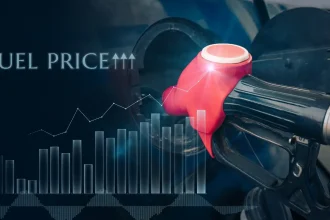
As 2026 unfolds, South Africans are once again grappling with the perennial issue of rising petrol prices. Despite a modest increase in petrol costs on 1 January, the latest data from the Central Energy Fund (CEF) indicates that February could deliver a harsher blow to motorists’ wallets. On the current trajectory, fuel prices are expected to rise significantly, with predictions suggesting increases ranging between R0.50 and R0.75 per litre, depending on the type of fuel.
Petrol Prices’ Predictions and Key Drivers
The CEF, which operates under the Department of Mineral Resources and Energy (DMRE), provides monthly forecasts to help the nation prepare for potential adjustments. For February 2026, the petrol prices’ predictions are worrying:
- Petrol 93: +68 cents per litre
- Petrol 95: +64 cents per litre
- Diesel 0.05%: +70 cents per litre
- Diesel 0.005%: +74 cents per litre
- Illuminating Paraffin: +49 cents per litre
These figures, captured on 3 January, are not yet final. The DMRE relies on the CEF’s data but only confirms price adjustments at the end of each month, implementing them on the first Wednesday of the following month—set for 5 February in this case.
Two major factors influence these petrol prices:
- Global Oil Prices: A steep increase in Brent crude oil prices since December 2026 has significantly impacted predictions. Prices have surged past $76 per barrel, creating pressure on fuel costs locally.
- Rand/US Dollar Exchange Rate: A weakening Rand has compounded the issue, making imports more expensive. The currency’s recent volatility has seen it trading at approximately R18.53 to the Dollar.
Economic Implications
The ripple effects of rising petrol prices extend beyond the pumps. Higher transport costs often lead to increased prices for goods and services, placing additional strain on consumers already grappling with inflation and economic uncertainty. For many households, this marks a challenging start to the year, with budgets already stretched thin.
A Glimmer of Hope?
While the outlook appears grim, there is still potential for a reversal. A stronger Rand or a decline in global oil prices could ease the pressure. However, the opposite remains a possibility, which could result in even sharper increases than currently forecast.
A Familiar Burden
Motorists across the country are bracing themselves for what feels like an annual tradition of Febuworry. As petrol prices continue to climb, calls for greater stability in global markets and local economic policy grow louder. The coming weeks will be critical in determining whether South Africans face a minor inconvenience or a significant financial strain at the pumps.
Until then, the best motorists can do is plan their budgets carefully, stay informed, and hope for a more favourable outcome in the global energy markets.
Related article: Petrol Price Forecast: Tough January Ahead for Petrol and Diesel Costs?
Official Sources for Verification
Related Gauteng.News Resources
More 2026 Guides
This page supersedes the earlier edition for search and user navigation.