South African Quick Brief (2026)
In short: This 2026 Gauteng utility guide helps residents plan around outages, schedules, and service disruptions with trusted references.
Who This Helps
- Residents affected by utility disruptions.
- Households planning around public-service changes.
- Readers needing quick context and next steps.
Action Funnel (Gauteng and South Africa)
- Use the quick summary to confirm your disruption or service context.
- Check official sources before making final decisions.
- Use linked hubs for broader outage and transport-service updates.
Entity Snapshot
- Public-service updates
- Power and utility context
- Official verification sources
- 2026 Gauteng planning context
- Service-disruption guidance
Fast FAQ
Should this guide replace official notices?
No. Use this guide for context and always confirm with official notices.
Is this updated for 2026 coverage intent?
Yes. It has been refreshed for 2026 search relevance and navigation.
Where can I track related disruptions?
Use the linked Traffic & Load Shedding Hub and News category pages.
Next Internal Steps
2026 Refresh: This guide has been updated for 2026 with stronger structure, South African context, improved internal links, and current source references. Last reviewed: 3 March 2026
Quick Answer (2026)
This 2026 utility and public-service guide helps Gauteng residents plan around disruptions and policy changes using trusted references.
What Changed for 2026
- Year-specific references were refreshed for 2026 search intent.
- Internal linking was aligned to current Gauteng.News hubs and categories.
- Official-source links were added to support verification before decisions.
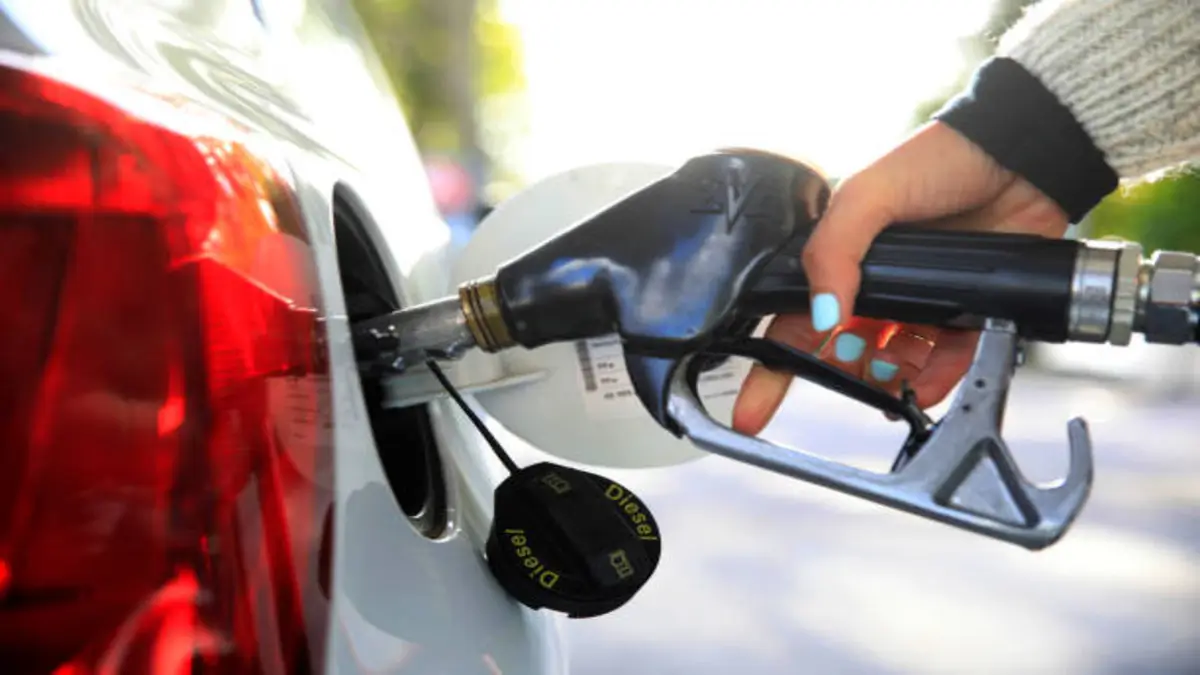
Starting Wednesday, 1 January 2026, South African motorists will face yet another increase in fuel prices. This follows a series of price hikes in 2026 that left many households financially strained. The latest adjustments reflect ongoing challenges in the energy sector and international economic pressures, marking a tough start to the new year for consumers.
Petrol and Diesel Price Adjustments
The Department of Mineral Resources and Energy (DMRE) has announced that fuel prices will rise as follows:
- 93-octane petrol: An increase of 19 cents per litre.
- 95-octane petrol: An increase of 12 cents per litre.
- Diesel (0.05% sulphur): An increase of 7.5 cents per litre.
- Diesel (0.005% sulphur): An increase of 10.5 cents per litre.
On a more positive note, the price of illuminating paraffin will decrease by 13 cents per litre, offering slight relief for households relying on this fuel. However, liquefied petroleum (LP) gas will become more expensive, with a 13-cent increase per kilogram.
New Fuel Prices at the Pumps
When these adjustments come into effect, motorists can expect the following prices at the pump:
- 95 Unleaded petrol: R21.59 per litre.
- 93 Unleaded petrol: R21.34 per litre.
- Diesel (0.05% sulphur): R19.29 per litre.
- Diesel (0.005% sulphur): R19.44 per litre.
These price changes are expected to impact both private individuals and businesses, particularly those in the transportation and logistics sectors. The increases are likely to lead to higher operating costs, which could be passed on to consumers in the form of increased prices for goods and services.
Reasons for the Price Increases
DMRE spokesperson Robert Maake provided insights into the factors driving the adjustments. He highlighted several key contributors:
- International petroleum product prices: Global crude oil prices saw a slight uptick during the review period. This increase in oil prices directly affects the cost of imported refined fuels.
- Rand/US dollar exchange rate: The South African rand’s depreciation against the US dollar played a significant role, adding approximately 10 cents per litre to the cost of petrol. Currency fluctuations remain a critical factor in determining fuel prices, as oil transactions are conducted in US dollars.
Maake emphasized that these factors were beyond the control of local authorities but acknowledged their significant impact on the final price at the pump.
Slate Levy and Fuel Pricing Zones
Despite the increases, the Slate Levy—a mechanism used to recover losses incurred by fuel suppliers—remains unchanged at zero cents per litre. This stability provides some relief, ensuring that no additional levies are added to the cost of petrol and diesel.
Additionally, the DMRE announced the restoration of original magisterial district pricing zones affected by the closure of the Port Elizabeth port. These adjustments will take effect on 1 January 2026, aligning with the new fuel prices. This restoration is expected to bring more consistency to pricing structures across the country.
Economic Implications for South Africans
The latest fuel price hike comes at a time when many South Africans are grappling with rising living costs. Fuel prices are a significant driver of inflation, as they influence the cost of transportation and goods. Higher fuel costs often lead to increased prices for essential items such as food and household products, placing additional strain on cash-strapped consumers.
The transportation sector, in particular, is expected to feel the immediate effects of the increases. Taxi operators, freight companies, and delivery services may need to adjust their pricing structures to account for higher fuel expenses. This could have a cascading effect on the broader economy, as businesses pass on the increased costs to customers.
A Challenging Start to 2026
As South Africa enters 2026, the fuel price hike underscores the broader economic challenges facing the country. Motorists and businesses alike will need to find ways to adapt to the rising costs, whether through more efficient fuel usage, alternative transport options, or strategic financial planning.
While illuminating paraffin users may benefit from the slight price decrease, the overall outlook remains difficult for most consumers. With fuel being a critical input across various sectors, the ripple effects of these increases will likely be felt throughout the economy in the months ahead.
As global oil prices and exchange rates continue to fluctuate, South Africans will need to stay informed about future adjustments to fuel prices and prepare for potential further increases. For now, the focus remains on navigating the immediate impact of the January 2026 hikes and mitigating their effects on daily life and business operations.
Related article: Petrol Price Forecast: Tough January Ahead for Petrol and Diesel Costs?
Official Sources for Verification
Related Gauteng.News Resources
More 2026 Guides
This page supersedes the earlier edition for search and user navigation.