South African Quick Brief (2026)
In short: This 2026 Gauteng utility guide helps residents plan around outages, schedules, and service disruptions with trusted references.
Who This Helps
- Residents affected by utility disruptions.
- Households planning around public-service changes.
- Readers needing quick context and next steps.
Action Funnel (Gauteng and South Africa)
- Use the quick summary to confirm your disruption or service context.
- Check official sources before making final decisions.
- Use linked hubs for broader outage and transport-service updates.
Entity Snapshot
- Public-service updates
- Power and utility context
- Official verification sources
- 2026 Gauteng planning context
- Service-disruption guidance
Fast FAQ
Should this guide replace official notices?
No. Use this guide for context and always confirm with official notices.
Is this updated for 2026 coverage intent?
Yes. It has been refreshed for 2026 search relevance and navigation.
Where can I track related disruptions?
Use the linked Traffic & Load Shedding Hub and News category pages.
Next Internal Steps
2026 Refresh: This guide has been updated for 2026 with stronger structure, South African context, improved internal links, and current source references. Last reviewed: 3 March 2026
Quick Answer (2026)
This 2026 utility and public-service guide helps Gauteng residents plan around disruptions and policy changes using trusted references.
What Changed for 2026
- Year-specific references were refreshed for 2026 search intent.
- Internal linking was aligned to current Gauteng.News hubs and categories.
- Official-source links were added to support verification before decisions.
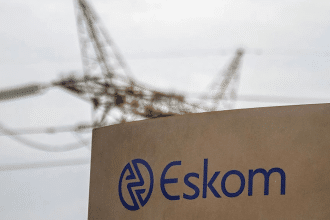
As South Africa celebrates over 200 days without load shedding, a potential storm brews on the horizon with Eskom’s proposed tariff increases. The Democratic Alliance (DA) has been at the forefront, rallying public sentiment against these hikes, amassing over 120,000 signatures on their petition to stop Eskom’s proposed price increases.
Understanding Load Shedding and Its Absence
Load shedding has been a familiar reality for many South Africans, resulting from the ongoing energy crisis exacerbated by infrastructure issues, maintenance backlogs, and mismanagement. However, the recent absence of load shedding raises questions: What has changed, and is this just a reprieve?
One of the main reasons for the current stability in electricity supply is the implementation of load reduction measures by Eskom. This strategy involves temporarily reducing the supply of electricity to certain areas or sectors instead of outright power cuts, helping maintain grid stability without resorting to load shedding. However, some critics argue that this is simply load shedding in disguise, as it still impacts the availability and reliability of power for consumers.
Looming Price Increases
Despite the relief of no load shedding, the reality remains stark: Eskom has submitted a multi-year revenue application to the National Energy Regulator of South Africa (Nersa) that proposes significant tariff increases. For the 2026 financial year, Eskom aims for a 36.15% increase, followed by 11.81% in 2027 and 9.10% in 2028. This proposed hike comes on the heels of an almost 13% increase in April 2026, raising concerns over affordability amidst a backdrop of already struggling households.
DA spokesperson Kevin Mileham has expressed that the current situation reflects the broader crisis of energy poverty, where approximately 45% of South African households find themselves unable to afford the electricity they technically have access to. He emphasizes that the average household cannot accept a future where electricity becomes unaffordable, especially after Eskom’s tariffs have soared by nearly 600% in real terms since 2007.
The Public’s Response
The DA’s mobilization against the proposed tariff increases highlights a growing unrest among citizens who feel trapped in a cycle of rising costs and stagnant wages. The party has organized a national day of action and initiated parliamentary debates to address these concerns, pressing for an overhaul of Eskom’s cost-recovery model. Mileham has called for urgent government action towards a renewable energy transition that ensures all South Africans can access affordable electricity.
Public sentiment is increasingly clear: South Africans are demanding a sustainable and inclusive energy policy that addresses the root causes of the crisis. As the DA fights these hikes head-on, residents are encouraged to make their voices heard through various platforms.
What Lies Ahead?
The looming tariff increases coupled with the absence of load shedding present a complex scenario for South Africans. While the immediate threat of blackouts has been alleviated, the potential rise in electricity costs could negate any benefits gained from an uninterrupted power supply. Moreover, as Eskom continues to grapple with its financial woes, the question remains whether these increases will provide a sustainable solution or simply exacerbate the financial strain on households.
The recent events have highlighted the need for transparency and accountability in Eskom’s operations. As citizens await Nersa’s decision on Eskom’s tariff application, the push for renewable energy sources has never been more critical. Investing in sustainable energy solutions could provide the long-term stability that South Africa’s power grid desperately needs.
While celebrating over 200 days without load shedding is a significant achievement, it is crucial to remain vigilant against the threat of rising electricity prices. The fight against Eskom’s proposed increases is not just about preserving the status quo; it’s about advocating for an energy future that is affordable and accessible for all South Africans. As the deadline for public comment approaches on 1 November, citizens need to engage actively in this discourse to ensure that their voices are heard in shaping a sustainable energy landscape.
Official Sources for Verification
Related Gauteng.News Resources
More 2026 Guides
This page supersedes the earlier edition for search and user navigation.