The Hector Pieterson Memorial and Museum stands as one of South Africa’s most powerful heritage sites, located in Orlando West, Soweto, Johannesburg. More than a museum, it is a living testament to the courage and sacrifice of the youth who resisted apartheid — particularly on 16 June 1976, when students took to the streets in protest against the compulsory use of Afrikaans in black schools.
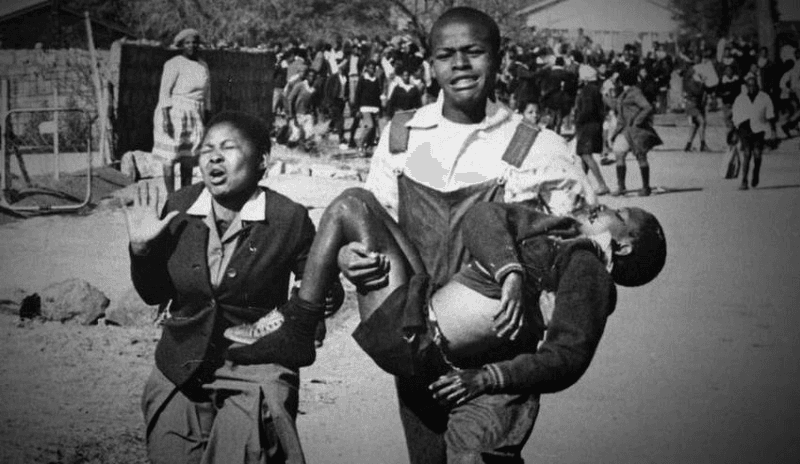
On that day, a peaceful student-led march turned into a violent confrontation with police. The tragic killing of Hector Pieterson, a 12-year-old boy, became the symbolic turning point in South Africa’s liberation struggle. His death, captured in an iconic photograph by photojournalist Sam Nzima, reverberated around the world, exposing the brutality of apartheid and galvanising international support for the anti-apartheid movement.
Location and Significance
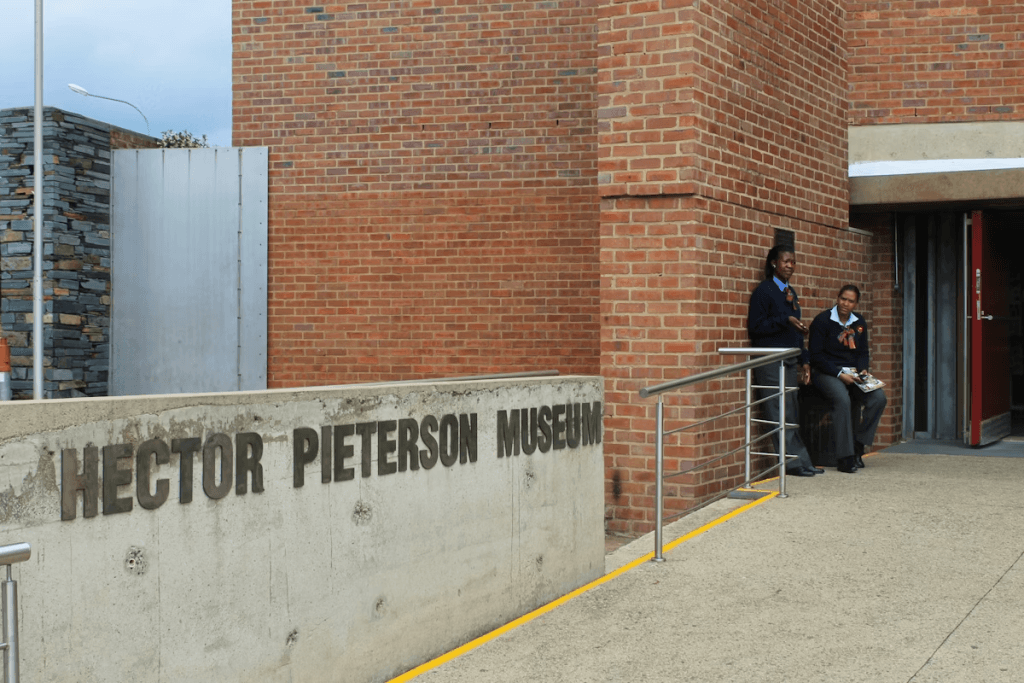
The Hector Pieterson Memorial and Museum is situated just a few hundred metres from the actual site where Hector was shot, giving the experience a tangible and emotional immediacy. Located at 8287 Khumalo Street, the museum was officially opened on 16 June 2002, marking the 26th anniversary of the Soweto Uprising.
The museum’s location is deliberate: it is nestled in the heart of the community that birthed the resistance. Nearby landmarks such as Vilakazi Street — home to both Nelson Mandela and Desmond Tutu — reinforce Soweto’s central role in the anti-apartheid movement.
ALSO READ: A Guide to the Mandela Family Museum in Soweto
The Museum Experience
Visitors to the Hector Pieterson Memorial and Museum are taken on a compelling chronological journey, starting with the build-up to the Soweto Uprising. The museum’s exhibitions are thoughtfully curated, blending historical documents, audiovisual footage, newspaper clippings, and personal testimonies to portray both the political climate of the 1970s and the lived experiences of the students who took part in the protests.
Key features include:
- Multimedia displays that present personal stories from survivors, family members, and journalists.
- A dedicated section on youth activism, highlighting the role of student organisations such as the South African Students Movement (SASM).
- The story of Sam Nzima’s photograph, which immortalised Hector’s final moments, and the international reaction it provoked.
The atmosphere is solemn yet thought-provoking, encouraging introspection and a deeper understanding of South Africa’s road to democracy.
The Memorial
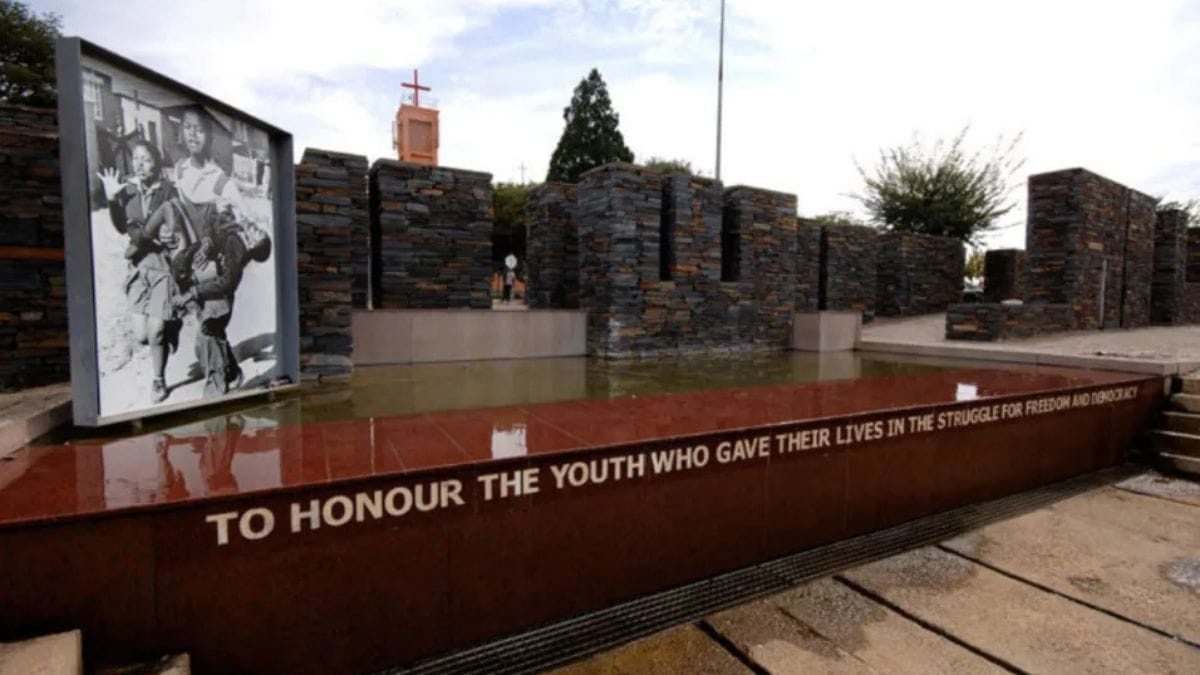
Just outside the museum lies the Hector Pieterson Memorial, featuring a simple yet moving tribute — a fountain and a commemorative wall bearing the names of those who died during the protests. It is a space of quiet reflection and remembrance.
Many visitors leave flowers or personal messages at the site. The water element in the memorial symbolises both cleansing and continuity, honouring the past while looking to the future.
Related: Discover the Top 20 Best Places to Visit in Gauteng.
The Hector Pieterson Memorial and Museum – Educational and Cultural Impact
The Hector Pieterson Memorial and Museum plays a crucial role in public education and social memory. As part of South Africa’s Liberation Heritage Route, it has become a vital space for learning, particularly for younger generations who did not experience apartheid firsthand.
The museum regularly hosts school groups, university tours, and community events, often in collaboration with NGOs and educational bodies. It underscores the importance of civic participation, youth activism, and human rights themes that remain relevant across generations.
It is also one of Gauteng’s most visited heritage sites, drawing local and international tourists alike. The museum forms part of many guided tours that include nearby historical sites such as Mandela House, the Orlando Stadium, and the Soweto Towers.
The Hector Pieterson Memorial and Museum is more than just a tourist attraction; it is a sacred site that honors the memory of those who fought and died for justice and freedom in South Africa. It stands as a testament to the strength and spirit of the South African people and serves as a reminder of the importance of preserving democracy and human rights for future generations. Visiting the museum and memorial offers a profound and educational experience, shedding light on a crucial chapter in South Africa’s history and the ongoing journey towards equality and justice for all its citizens.