Gautrain vs Uber vs Driving — Getting around Gauteng offers a variety of transport options, but choosing the fastest and most affordable mode isn’t always straightforward. While driving your own car may seem like the most convenient method, it’s not always the most economical—or accessible. Alternatives such as the Gautrain and e-hailing services like Uber present compelling advantages depending on your route, budget, and time constraints.
Gautrain vs Uber vs Driving: Comparing the Options
To get a clearer picture, a recent comparison was done between using the Gautrain, Uber, and a private vehicle for a journey from Hatfield station in Pretoria to Rosebank in Johannesburg. This is a 56.1km trip by Gautrain, running along a single line without any need to transfer trains. For car and Uber, the route stretches 58.6km via the N1 highway, largely paralleling the Gautrain line.
Travel Time and Costs
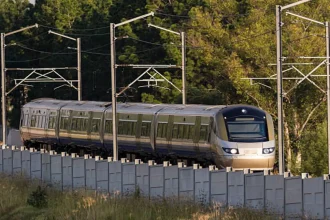
1. Gautrain
- Time: 38 minutes (train only)
- Distance: 56.1km
- Cost: R79.00 (pay-as-you-go fare)
- Bus fare adjustment: R24.00 (peak hours)
Total: R103.00
- Bus fare adjustment: R24.00 (peak hours)
2. Private Car
- Time: 48 minutes
- Distance: 58.6km
- Fuel Consumption: Estimated at 7.0l/100km
- Total Fuel Used: ~4.1 litres
- Fuel Cost (April price): R21.62/litre
Total: R88.64
3. Uber (UberX)
- Time: 50 minutes (excluding wait time)
- Distance: 58.6km
- Cost: R419.96
Uber Go alternative: R312.47
The Verdict
At first glance, the Gautrain appears to be the quickest and least expensive, clocking in at just 38 minutes and R79. However, once you factor in the cost of the Gautrain bus service—which is essential unless you’re being dropped off and picked up directly at the stations—the price rises to R103. This still undercuts Uber significantly, though it does make the train slightly more expensive than driving yourself.
When considering time, the private car might win out in real-world conditions. Despite a longer stated travel time, cars don’t rely on fixed schedules like the Gautrain does. You might end up waiting 10–20 minutes for the next train or extra time for a connecting bus. With a car, you leave when you want, though traffic congestion—especially during peak hours—can affect this advantage.
Other Considerations
While Uber offers door-to-door service, its cost—especially during busy times—makes it the least appealing option financially. Even the more affordable Uber Go comes in at over R300 for this route.
Public transport options, however, eliminate concerns about parking fees and availability—an important factor if your destination is a busy area like a shopping centre or business district.
- Cheapest: Private car (R88.64) if you already own one.
- Fastest (on paper): Gautrain (38 minutes), but this depends on your access to and from stations.
- Most expensive: UberX (R419.96), with Uber Go only marginally better.
Bottom Line: If you’re near a Gautrain station and your schedule aligns with the train, it’s a fast and economical choice. However, for those with access to a car, driving remains the most cost-efficient and flexible option. Uber is best reserved for times when convenience outweighs cost.
Related article: Gautrain Resumes Full Service After ‘Great Borehole Incident of 2025’