
Mastering the Science of Cooking Eggs to Perfection
Is there such a thing as a “Perfect Boiled Egg”?: Boiling an egg might seem simple, but achieving the perfect balance between a creamy yolk and a firm yet tender egg white is an art backed by science. Researchers have now uncovered a method that ensures an evenly cooked egg, optimizing both taste and texture.
The Science Behind the Perfect Boiled Egg
Italian material engineers conducted a study on 300 eggs to determine the ideal cooking technique. Their breakthrough approach, called the “periodic cooking” method, involves repeatedly switching an egg between boiling and cold water to achieve optimal temperatures:
- Egg white: 85°C for the perfect firmness
- Egg yolk: 65°C for a creamy texture
Step-by-Step Guide to the Perfect Boiled Egg
Follow this scientific method for flawless results:
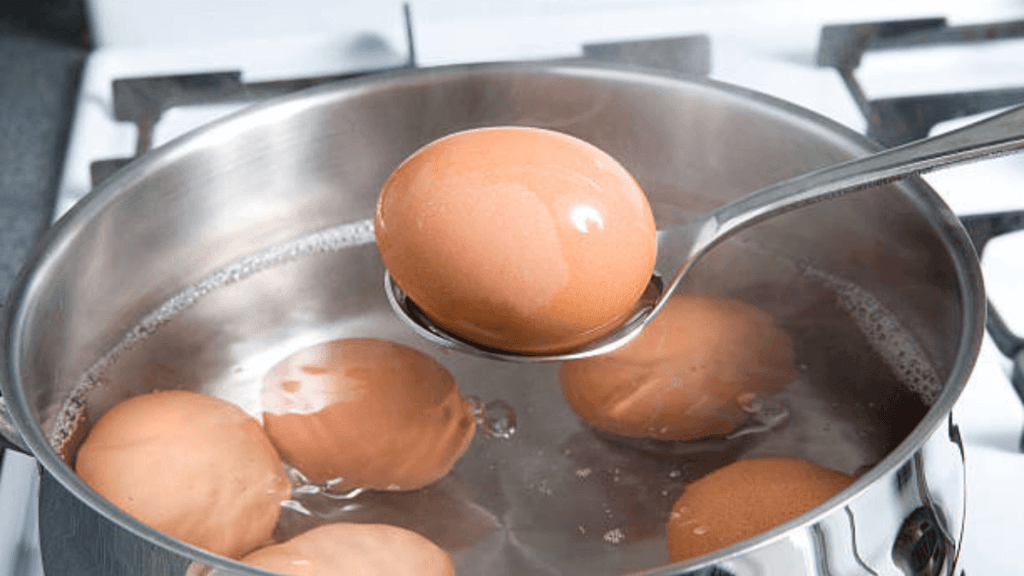
- Boil the Water – Fill a saucepan with tap water and bring it to a rolling boil.
- Start Cooking – Place your egg (with its shell) in the boiling water for 2 minutes.
- Cool It Down – Transfer the egg to a bowl of 30°C water for 2 minutes.
- Repeat the Process – Move the egg back to the boiling water for 2 minutes, then return it to the 30°C water for 2 minutes.
- Repeat Step 4 Six More Times – This cycling process ensures even cooking.
- Enjoy Your Perfect Egg – After 32 minutes, your egg will be ready to enjoy with your favourite seasonings.
Why This Method Works
- Prevents Overcooked Yolks – Stops the yolk from hardening too quickly.
- Gradual White Firmness – Allows the egg white to solidify without becoming rubbery.
- Nutritional Benefits – This technique preserves more nutrients compared to traditional boiling.
Final Thoughts
While this method takes longer than conventional boiling, the result is a perfectly cooked egg with an exquisite texture and enhanced flavour. If you’re looking to elevate your breakfast game, this scientifically backed technique is worth the effort!
Also read: Solo Restaurant Review: A Luxurious Culinary Journey in the Heart of Sandton