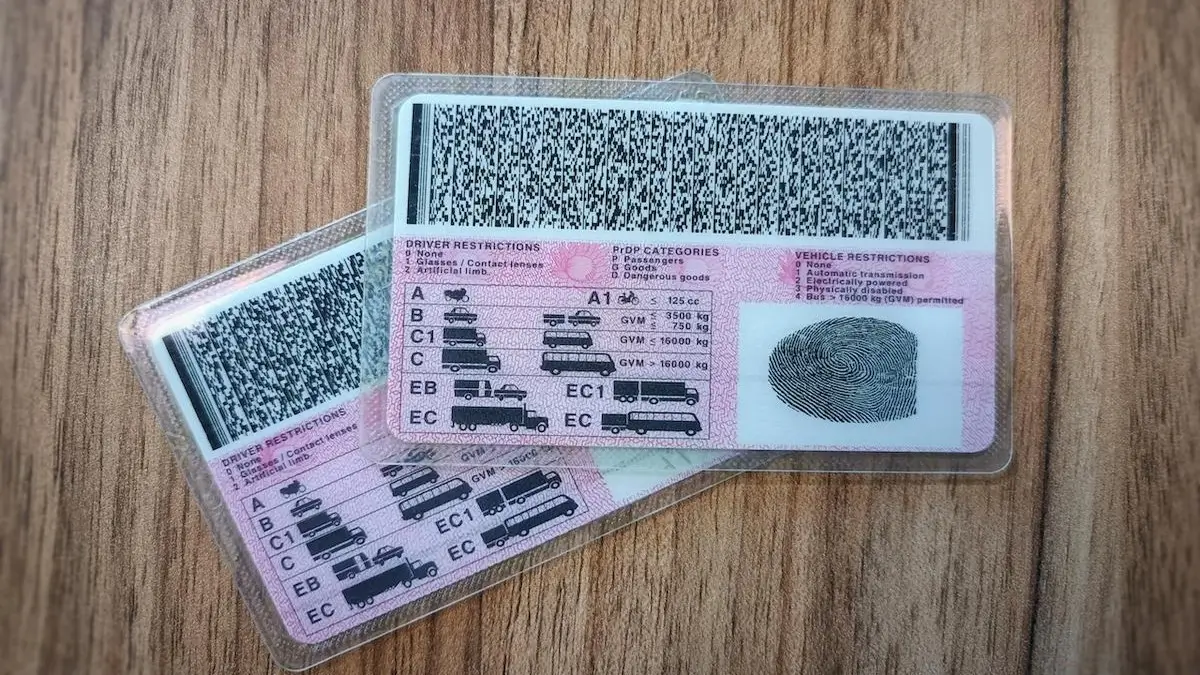
South Africans may soon see changes to Driving Licence Card Fees, as the Department of Transport (DoT) weighs the cost implications of extending the validity of licence cards from five years to eight. This possible increase comes amid efforts to reduce administrative backlogs, improve service delivery, and modernise the licensing system, but it’s also drawing criticism from civil groups over transparency and value for motorists.
What’s Driving the Fee Discussion?
The Department of Transport is actively considering extending the validity of South Africa’s driving licence cards from the current five-year cycle to eight years. This change aims to:
- Reduce long queues at licensing centres
- Cut operational strain on a system long plagued by printing delays
- Bring South Africa’s licence validity more in line with international standards
However, Transport Minister Barbara Creecy has publicly admitted that while the extension will likely proceed, it could reduce the revenue flowing into the Driving Licence Card Account (DLCA), the government entity responsible for producing licence cards. This revenue drop may, in turn, mean that driving licence card fees have to increase to keep the system financially viable.
“There could be an implication that there isn’t enough revenue if it’s every eight years, and we may have to increase the tariff,” Creecy said, explaining the department’s rationale for postponing decisions until a full cost study is complete.
Why the DoT Is Proceeding Cautiously
Balancing Costs and Benefits
Minister Creecy has emphasised that the DoT does not want to rush the decision because of potential “unintended consequences” — a reference to both service disruptions and financial shortfalls should the fee structure not be adjusted accordingly.
The core issue is simple:
- Fewer renewals = less frequent income from fees
- The DLCA relies on these fees to cover printing, labour, distribution, and other operational costs
- Extending validity could create a shortfall unless fees rise to match long-term expenses
Efforts to Improve Production and Distribution
There are ongoing efforts to stabilise the system’s production capabilities, after South Africa’s only card printing machine repeatedly broke down, resulting in major backlogs for drivers. The Department has signed a Memorandum of Understanding with the Government Printing Works (GPW) to outsource card production temporarily, and its IT systems have already been integrated with Home Affairs.
Public Reaction and Transparency Calls
Outa’s Opposition to Automatic Fee Increases
The civil action organisation, Organisation Undoing Tax Abuse (Outa), welcomes the idea of extended validity, as it should reduce congestion and lower long-term operating costs. However, Outa strongly opposes tying this directly to higher driving licence card fees without clear data.
Outa executive director Advocate Stefanie Fick says that:
“Government is not a profit centre. The Driving Licence Card Account (DLCA) must charge a cost-reflective fee that covers efficient production and distribution — nothing more.”
Outa is calling for the DoT to make all cost analysis public before any fee increase is approved.
Other Stakeholders’ Views
Some unions have also raised concerns, warning that revenue shortfalls from extended validity could affect government revenue and even staff employment within the DLCA system. However, many motorists support longer validity as a way to reduce inconvenience and long waiting times.
What Happens Next?
The timeline now hinges on:
- Completion of a detailed DoT cost study — to assess financial implications for both motorists and the DLCA
- Public transparency and publication of cost data, as urged by civil society groups
- Cabinet approval and policy decisions based on that study
Only once these are completed can a decision be made on whether driving licence card fees will rise alongside the extended validity period.