South African Quick Brief (2026)
In short: This 2026 South African civic guide provides practical context, official verification links, and clear next actions.
Who This Helps
- Readers seeking practical civic updates.
- Users needing verification-first guidance.
- People comparing related policy/service context.
Action Funnel (Gauteng and South Africa)
- Start with the quick brief for context.
- Verify details on official sources.
- Use linked hubs for related updates.
Entity Snapshot
- Public-service context
- Official sources
- Civic guidance
- South African coverage
- 2026 intent
Fast FAQ
Is this official policy text?
No. Verify final details on official sources.
Is this updated for 2026?
Yes.
What should I do next?
Use official links first, then proceed.
Next Internal Steps
2026 Refresh: This guide has been updated for 2026 with stronger structure, South African context, improved internal links, and current source references. Last reviewed: 3 March 2026
Quick Answer (2026)
This 2026 South African civic guide provides practical context, verification links, and clear next steps.
What Changed for 2026
- Year-specific references were refreshed for 2026 search intent.
- Internal linking was aligned to current Gauteng.News hubs and categories.
- Official-source links were added to support verification before decisions.
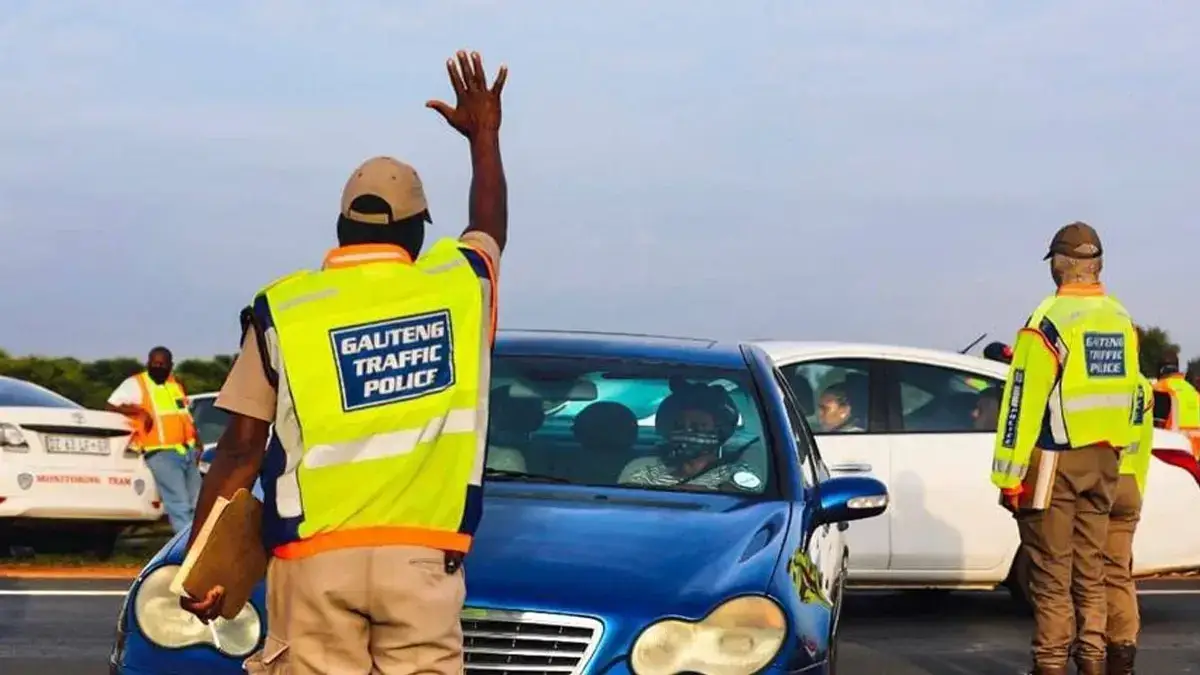
A growing number of young, unemployed South Africans are falling victim to fraudulent schemes that promise them training and employment as traffic officers — only to leave them out of pocket and without the promised opportunities.
According to the North West Department of Community Safety and Transport Management, these scams are orchestrated by deceptive individuals who falsely advertise placements in the Road Traffic Learnership Programme. The fraudsters demand payments from unsuspecting jobseekers, claiming it will secure their training and transport — but these promises are entirely unfounded.
In one reported case, three young people were each duped into paying R700 for so-called transport to Welkom, under the false pretense that they would be trained as traffic officers. No such training was provided.
The department has labeled these scams a “concerted effort by unknown individuals,” indicating that this is not an isolated problem, but part of a larger, more organized pattern of exploitation.
“This is illegal activity by people taking advantage of young, unemployed individuals who are desperate for job opportunities,” said Dr. Hans Kekana, Head of the Department.
Dr. Kekana emphasized that the official recruitment into the traffic officer learnership programme is guided by the Department of Public Service and Administration’s (DPSA) policies. Importantly, applicants are never required to pay any fees. All costs related to transportation and training are covered by the department for successful candidates.
He urged victims of these scams to come forward and report incidents to the police to help bring the perpetrators to justice.
Scams on South African Roads Continue
This incident adds to a string of recent scams plaguing South Africa’s roads. In March, TopAuto reported a rise in another scheme where scammers pose as municipal officials and charge drivers for fictitious “city permits.”
Victims are often approached with portable card machines and pressured to pay on the spot. These devices can be used for further fraudulent activities like cloning bank cards or inflating charges. In some cases, these card readers are even attached to public infrastructure like street poles to make the scam appear legitimate — a tactic primarily aimed at unsuspecting tourists.
“We urge all residents and visitors to Cape Town to be vigilant against a scam targeting tourists,” warned Jacques Weber from the Atlantic Seaboard Response Group.
Stay Vigilant
With rising unemployment and economic pressures, desperate young South Africans are increasingly vulnerable to exploitation. Authorities stress the importance of verifying job offers and reporting suspicious activities. Legitimate government programmes do not require upfront payments, and any demand for cash should be treated as a red flag.
If you or someone you know has been affected by these scams, contact your local police station and report the incident immediately.
Traffic Officer: Proceed with Caution
Becoming a traffic officer is a legitimate and respected career path, but young jobseekers must be cautious. Any opportunity that requires upfront payment or promises guaranteed placement without proper recruitment channels should be treated with suspicion. Always verify job offers with official government departments, and never hand over money in exchange for employment.
South Africa’s youth deserve real opportunities — not empty promises from criminals exploiting their hopes. Authorities, communities, and individuals must remain alert and act swiftly to expose and stop these malicious operations.
How to Protect Yourself
To avoid falling victim to scams like these, jobseekers should:
- Verify opportunities through official government websites and departments.
- Avoid paying fees for job applications, training, or transportation — legitimate learnerships do not require payment.
- Report suspicious offers to local authorities or community safety departments.
- Spread awareness within your community, especially among vulnerable groups.
Vigilance and information are powerful tools. The more the public knows about these scams, the harder it becomes for criminals to exploit desperation
Related article: Ekurhuleni Traffic Fines: EMPD Responds to ‘Fines Holiday’ Claims
Official Sources for Verification
Related Gauteng.News Resources
More 2026 Guides
This page supersedes the earlier edition for search and user navigation.