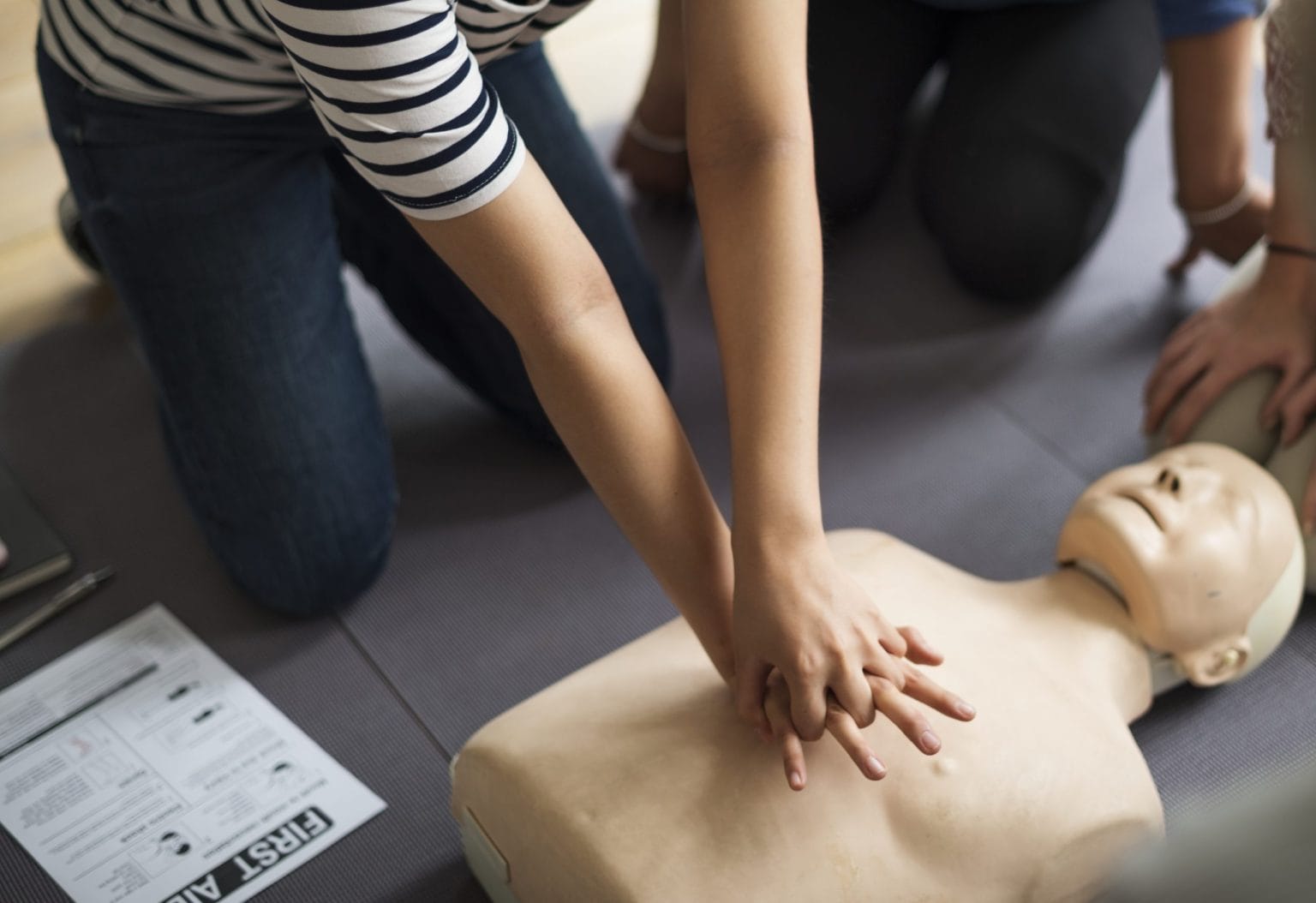
First Aid Skills are vital knowledge for every parent. Kids explore the world with curiosity, and sometimes that leads to accidents. Knowing how to respond quickly can protect your child’s life and reduce harm. In fact, timely first aid can keep a situation stable until emergency care arrives.
We explain essential first aid skills for parents. It uses reliable sources and simple, practical steps you can use at home. You’ll also find expert tips and resources for deeper learning.
Why First Aid Training Matters
Every parent should see first aid as part of responsible childcare. Here is why:
- Immediate action saves lives. Quick, accurate responses to choking, bleeding, or cardiac arrest can be the difference between life and death.
- Confidence in emergencies. Training reduces panic and gives you skills to help calmly and effectively.
- Keeps injuries from worsening. Proper first aid can prevent complications and support recovery.
Courses such as those offered by the Red Cross combine theory with hands-on practice to build confidence and competence in parents.
ALSO READ: Colon Cleanse: 8 Effective Ways to Naturally Cleanse Your Colon at Home
Core First Aid Skills Every Parent Should Know
CPR (Cardiopulmonary Resuscitation)
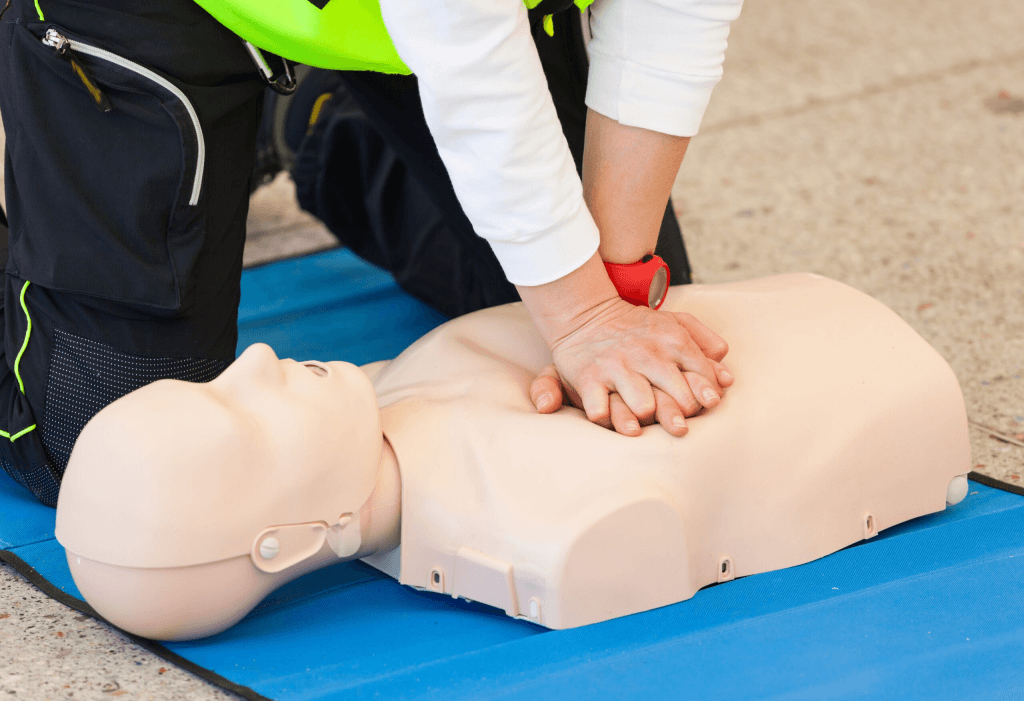
Cardiopulmonary resuscitation (CPR) is a critical life-saving skill when a child stops breathing or their heart halts.
Key points:
- CPR maintains oxygenated blood flow until professional help arrives.
- Infant and child CPR techniques differ from those of adults.
- Learn chest compression rates and correct hand placement through certified training.
Where to learn: Civil defence clinics, community centres, and accredited institutions run courses tailored to parents and caregivers.
Choking Response and Airway Clearance
Choking is one of the most common and frightening emergencies. Small objects and food can easily block a child’s airway.
Recognise choking signs:
- Sudden inability to speak or cry
- Weak or ineffective cough
- Blue lips or skin
For infants under 1 year:
- Perform back blows followed by chest thrusts until the object clears.
For children 1 year and older:
- Use the Heimlich manoeuvre (abdominal thrusts) to dislodge the object.
- Call emergency services if the object does not clear quickly.
Knowing when to begin and how to deliver these techniques properly is critical.
Bleeding Control and Wound Care
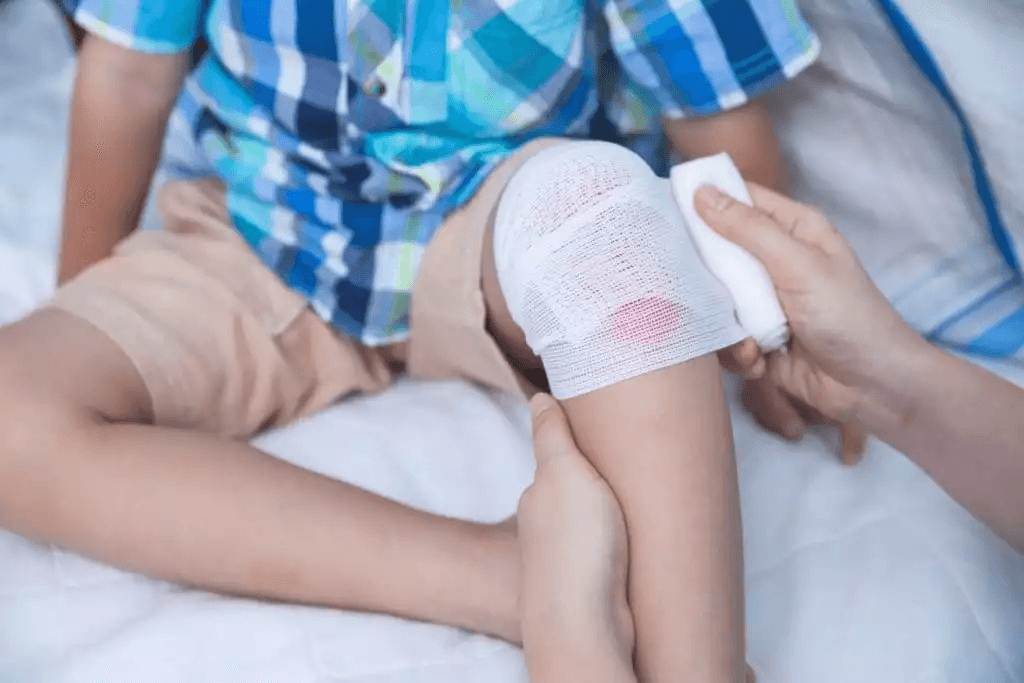
Children often get cuts and scrapes during play. Some wounds are minor, while others need urgent care.
Steps to manage bleeding:
- Wash your hands before treatment.
- Apply firm, direct pressure with a clean cloth.
- Elevate the limb above the heart if possible.
- Do not remove bandages; add more layers if blood soaks through.
For deep or severe wounds, seek professional medical care immediately.
Burns and Scalds
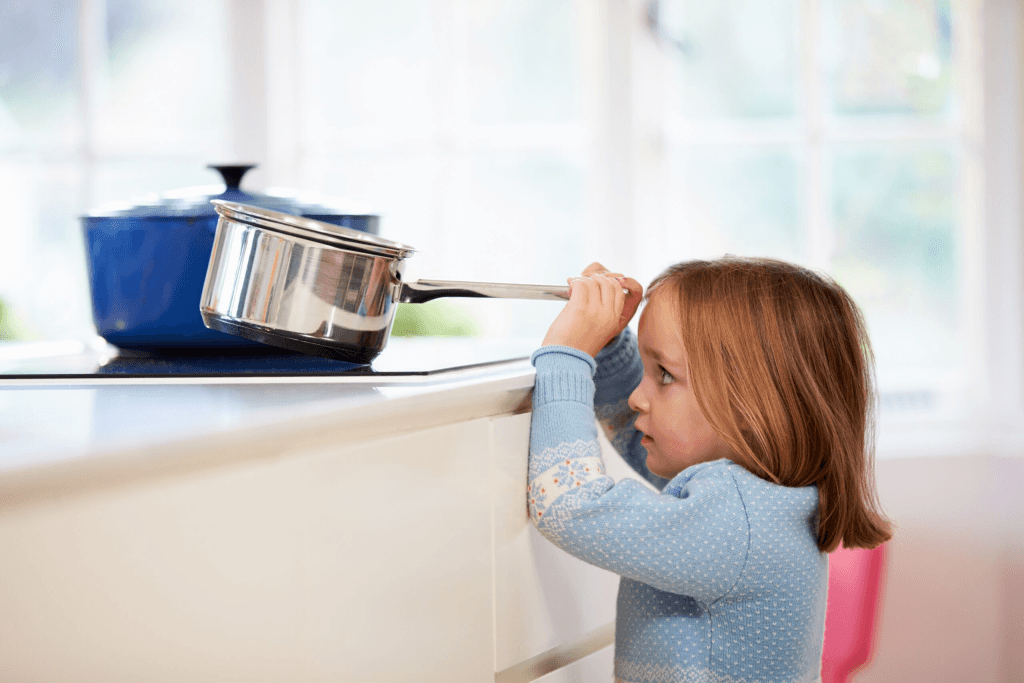
Burns from hot surfaces, liquids, or steam can happen quickly in kitchens or bathrooms.
First Aid for burns:
- Cool the burn with cool running water (not ice).
- Avoid butter or home remedies that may worsen the injury.
- Cover with a sterile, non-stick dressing.
Large or blistered burns always require medical attention.
Recognising Serious Injuries
Not all injuries are simple cuts and bruises. Some need professional care.
Watch for:
- Head injuries with vomiting, drowsiness, or confusion.
- Suspected fractures or sprains with severe pain and deformity.
- Allergic reactions with breathing difficulty or facial swelling.
When in doubt, err on the side of caution and get expert care.
Building Your First Aid Kit
A well-stocked first aid kit gives you the tools to act. Keep kits at home, in the car, and in your handbag.
Essential items:
- Adhesive bandages and sterile gauze
- Antiseptic wipes and burn gel
- Scissors, tweezers, and medical tape
- Digital thermometer
- Child-appropriate pain relief
- Emergency contact numbers and instructions
Regularly check supplies and replace used or expired items.
Training and Preparedness
Formal First Aid Courses
Hands-on training builds muscle memory and confidence. Courses cover:
- CPR and choking response
- Bleeding control
- Wound management and burns
- Emergency action steps
Many include certification on completion.
Practice Makes Prepared
Refresh your skills at least once a year. Practising with family members reinforces knowledge under pressure.
ALSO READ: How to Reduce High Blood Pressure: A 2026 Guide
FAQs – First Aid Skills Every Parent Asks
Can first aid training really save a life?
Yes. Timely first aid can stabilise a child and prevent complications before help arrives.
How often should I update my first aid skills?
Refresh skills annually and after learning new guidelines from accredited providers.
Where can I take courses in South Africa?
Many Red Cross and community training centres run parent-focused first aid and CPR courses.
Being prepared with essential first aid skills gives parents the tools to respond to emergencies confidently. Whether it’s CPR, choking response, wound care, or burns, each skill matters. Start by building a first aid kit, take certified training, and practise regularly.
You are your child’s first responder. Knowing what to do in those first critical minutes can make all the difference. Equip yourself and your family today.