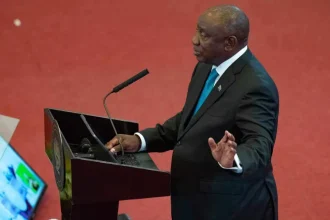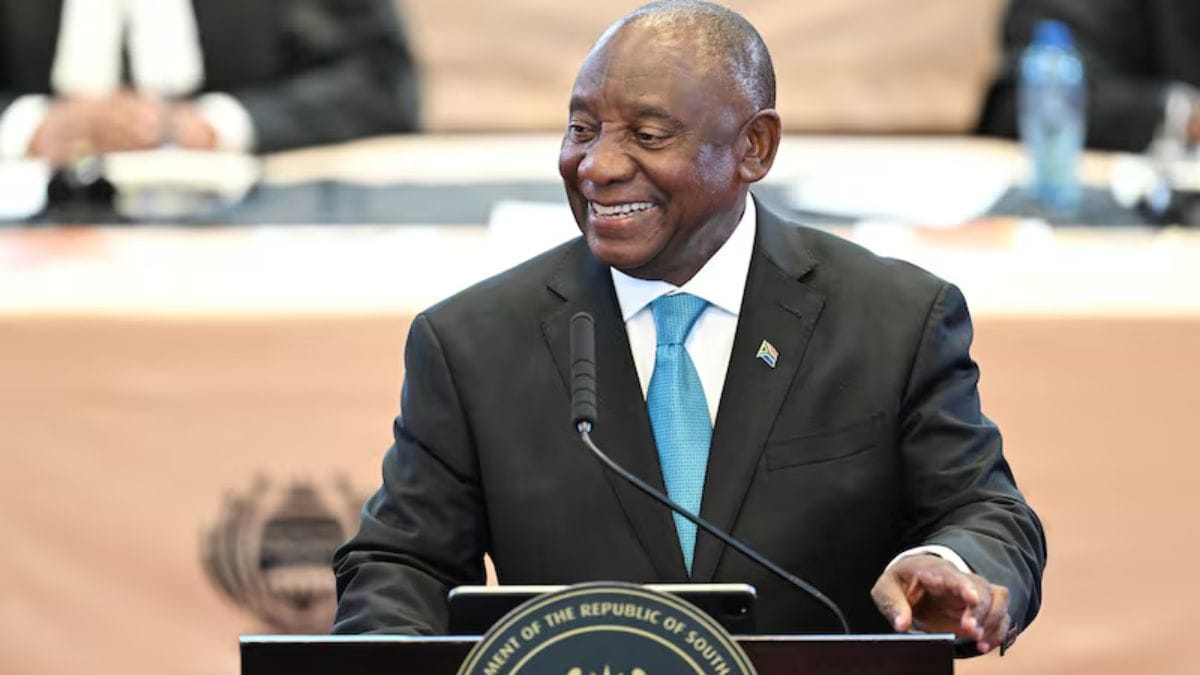
In his 2026 State of the Nation Address (SONA), President Cyril Ramaphosa declared a bold response to the escalating crime levels in South Africa. Ramaphosa announced the deployment of the South African National Defence Force (SANDF) to combat gang violence in the Cape Flats and address the rampant illegal mining in Gauteng. This military intervention marks a significant escalation in the government’s efforts to tackle crime, which has become a major threat to national stability.
The Need for Military Intervention in Cape Flats and Gauteng
Ramaphosa deploys army against crime to stabilise key areas suffering from violent criminal activities. As South Africa grapples with a high murder rate of approximately 60 deaths per day, the situation in certain areas has reached crisis levels. The Cape Flats, notorious for gang violence, and parts of Gauteng, where illegal mining, known as “zama-zama” activities, have spiralled out of control, are prime targets for this intervention.
Direct quote from Ramaphosa:
“Organised crime is now the most immediate threat to our democracy, our society, and our economic development,” he stated during his speech. He emphasized that the SANDF would provide much-needed support to the police in these high-crime regions.
What Are the Flashpoints?
Cape Flats:
In Cape Town, the Cape Flats have long been plagued by turf wars between violent drug gangs. These gangs engage in intense battles for control, often resulting in mass shootings, robberies, and other violent crimes. Communities in these areas live in constant fear, with businesses reluctant to invest due to the overwhelming violence.
Gauteng:
In Gauteng, illegal miners, also known as “zama-zamas,” have seized control of vast swathes of land, causing environmental damage and displacing local communities. These criminal groups often engage in violent clashes with authorities and rival factions. The illegal mining operations have become a major source of income for many, but they also contribute significantly to the violence and instability in the region.
ALSO READ: Majodina Urges Gauteng Residents to Stay Patient Amid Ongoing Water Crisis
A Multi-Faceted Approach to Combat Crime
The deployment of the SANDF is part of a broader strategy that also includes significant police reforms and additional measures to improve crime fighting.
Ramaphosa’s plan includes:
- The recruitment of 5,500 new police officers to bolster SAPS efforts.
- Enhanced intelligence gathering to target crime syndicates more effectively.
- Identification of priority crime groups and the use of advanced technology to improve response times and law enforcement efficiency.
By combining military support, increased police presence, and improved intelligence systems, the South African government aims to disrupt the operations of violent gangs and illegal miners, ensuring safer communities.
The Economic and Social Cost of Crime
Ramaphosa’s address highlighted the tremendous impact that crime has on both the country’s economy and its citizens’ daily lives. Crime costs South Africa not only in lives lost but also in fear and reluctance to invest in high-risk areas.
“The cost of crime is measured in lives that are lost and futures that are cut short. It is felt also in the sense of fear that permeates our society and in the reluctance of businesses to invest.”
In addition to the security interventions, Ramaphosa noted that the government has prioritized initiatives to revive investment and improve investor confidence, with South Africa now being removed from the global financial greylist. These measures, including the improvement of infrastructure and service delivery, are designed to create an environment where businesses can thrive despite the ongoing challenges of crime.
Watch SONA 2026
Ramaphosa’s Broader Vision for National Stability
In the same address, Ramaphosa also addressed South Africa’s water crisis, announcing interventions to tackle water shortages in municipalities like Johannesburg, which have been affected by widespread service delivery failures. He also expressed his commitment to hold municipal officials accountable for poor service delivery, with 56 municipalities already facing criminal charges for non-compliance with their mandates.
Additionally, Ramaphosa emphasised the need for a radical transformation of local government structures to ensure that municipalities can effectively manage resources and provide essential services. This will include a White Paper outlining proposals for systemic changes.
A Critical Moment for South Africa
The SONA 2026 was a pivotal moment in the government’s approach to crime and national security. By deploying the SANDF to Cape Flats and Gauteng, Ramaphosa has made it clear that South Africa is in the midst of a national crisis that requires immediate and decisive action. His promise to recruit more police officers and ramp up intelligence efforts shows a comprehensive strategy aimed at tackling both the symptoms and the root causes of the country’s crime problem.