Thousands of learners across Gauteng were left without reliable transport this week after subsidised scholar transport operators went on strike, disrupting access to schools in several parts of the province. The strike, which began on Monday, affects learners who rely on state-subsidised transport to reach school, particularly in rural and peri-urban areas. The situation matters now because children are being exposed to safety risks while the education department and transport operators remain locked in a payment dispute.
Parents, schools, and transport associations say the disruption could worsen learning losses if it is not resolved urgently.
ALSO READ: Fuel Prices Drop Again From Feb 4, New Petrol & Diesel Costs
Strike Linked to Unpaid Invoices
Transport providers say the strike is the result of delayed payments by the Gauteng Department of Education, which subsidises scholar transport for qualifying learners.
According to transport operators, outstanding invoices have not been settled, leaving many unable to continue operating without incurring losses.
As a result, buses and taxis contracted to transport learners have stopped operating across several districts, with the impact felt most acutely in areas where walking distances are long and routes are unsafe.
Learners Forced Onto Unsafe Routes
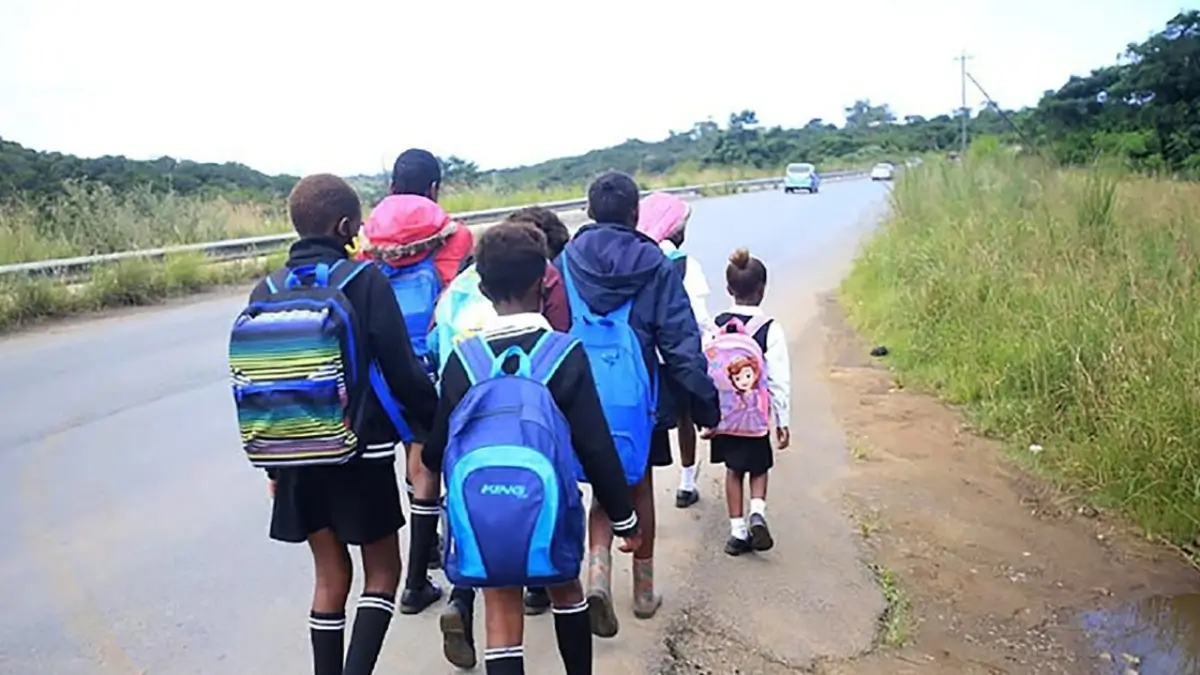
Videos circulating on social media show learners in parts of Carletonville on the West Rand crossing streams and navigating uneven terrain to get to school.
Parents and community members have raised concerns that children are being placed at risk by being forced to walk routes that were never intended for daily travel by learners.
The disruption has also resulted in some learners staying home, as families struggle to find alternative transport at short notice.
Transport Industry Warns of Predictable Crisis
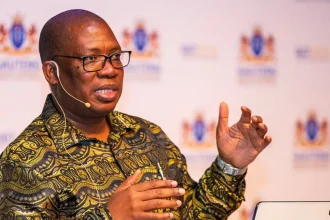
Bongani Ramontja, chairperson of taxi organisation Soil of Africa, said the strike was the foreseeable outcome of poor planning.
“The outcome was not unforeseeable,” Ramontja said.
“It is the direct and predictable result of poor financial planning. Children cannot be used as collateral damage in such situations.”
He said many parents were already under severe economic pressure and could not afford to arrange private transport while subsidised services remain suspended.
Education Department Responds
Gauteng Department of Education spokesperson Steve Mabona said the department is engaging with transport providers to resolve the outstanding payments.
Mabona appealed to operators to continue transporting learners while discussions are ongoing.
The department has also advised schools to implement academic recovery measures for learners who miss classes because of the strike.
However, transport representatives argue that continuing operations without payment places an unfair burden on already strained operators.
Operators Reject Call to Continue Without Payment
Ramontja said expecting uninterrupted services while invoices remain unpaid amounts to exploitation.
“We reject the normalisation of crisis management as leadership,” he said.
Transport associations have warned that without clear payment timelines, services are unlikely to resume, regardless of appeals from the department.
Risk of Further Disruption
The situation could escalate further in the coming days.
Gauteng Education Transport Services have indicated that their own members are planning strike action next week, potentially widening the disruption.
Private operator Pilane Ramarutsi said preparations for additional action are underway, depending on how negotiations progress.
What This Means for Gauteng Residents
For Gauteng residents, particularly parents and caregivers, the strike highlights the vulnerability of learners who depend on subsidised transport to access education. When services are interrupted, families are forced to choose between safety, affordability,and attendance.
The situation also places pressure on schools, which must manage attendance gaps and learning disruptions while awaiting clarity from authorities. Prolonged disruptions could deepen inequality between learners who can access private transport and those who cannot.
Broader Issues in Scholar Transport
The strike has renewed scrutiny of the scholar transport system, which has faced repeated challenges related to safety, compliance, and funding.
Previous concerns raised by transport associations include:
- Delays in subsidy payments
- Rising fuel and maintenance costs
- Regulatory compliance requirements
- Safety standards and vehicle licensing
Stakeholders have warned that unresolved structural issues make the system vulnerable to recurring disruptions.
FAQ: Gauteng Scholar Transport Strike
Why are scholar transport services on strike?
Operators say they have not been paid for outstanding invoices by the education department.
Which learners are affected?
Learners who rely on subsidised scholar transport, particularly in rural and peri-urban areas.
Is the department working on a solution?
The department says it is engaging with transport providers to resolve payment issues.
Are learners expected to attend school?
Schools remain open, but attendance is affected where transport is unavailable.
Could the strike expand?
Yes. Additional transport operators have indicated plans for further strike action.
What Happens Next
Discussions between the Gauteng Department of Education and transport providers are ongoing, but no firm resolution timeline has been announced.
If payment disputes are not resolved soon, further strike action could deepen disruptions and extend the impact to more learners across the province.
Authorities have not yet indicated whether emergency transport arrangements will be introduced, leaving parents and schools waiting for clarity as the situation develops.