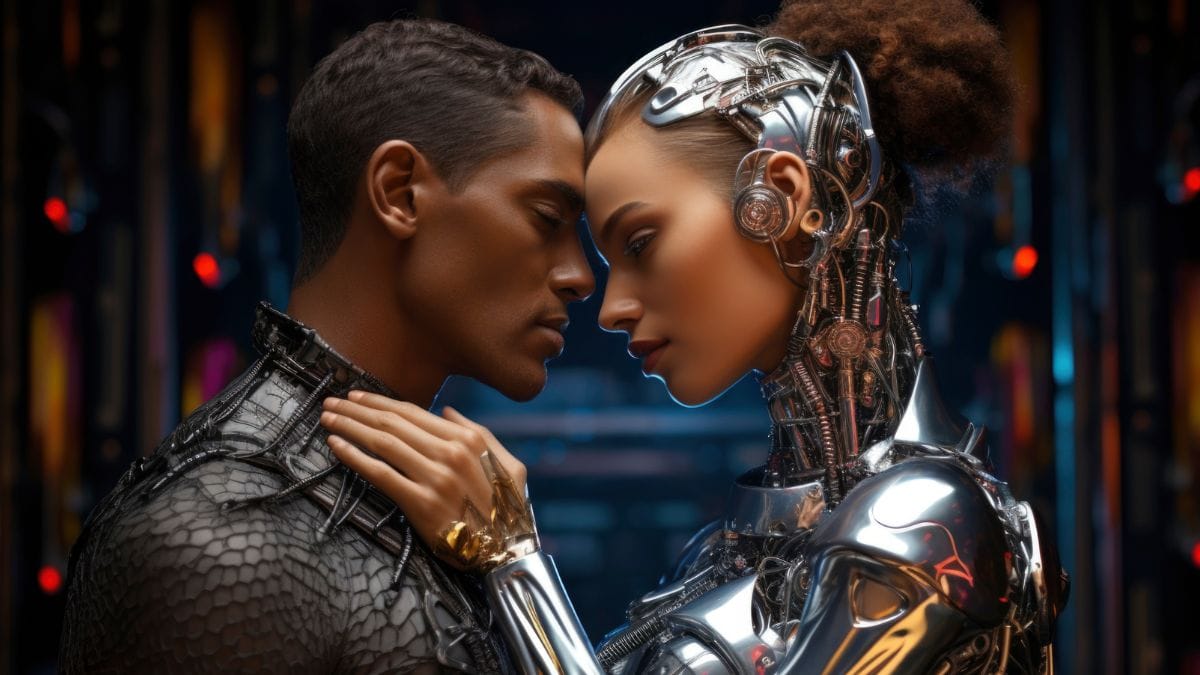
As artificial intelligence (AI) continues to evolve, so do the complexities of modern relationships. In South Africa and globally, the rise of AI chatbots and virtual companions has sparked a heated debate: Can AI romance be considered spousal cheating? As emotional bonds form between humans and AI, questions about fidelity, trust, and relationship boundaries have come to the forefront.
We explore AI romance, its emotional impact on couples, legal insights in South Africa, and whether forming romantic connections with machines crosses the line into cheating.
Understanding AI Romance
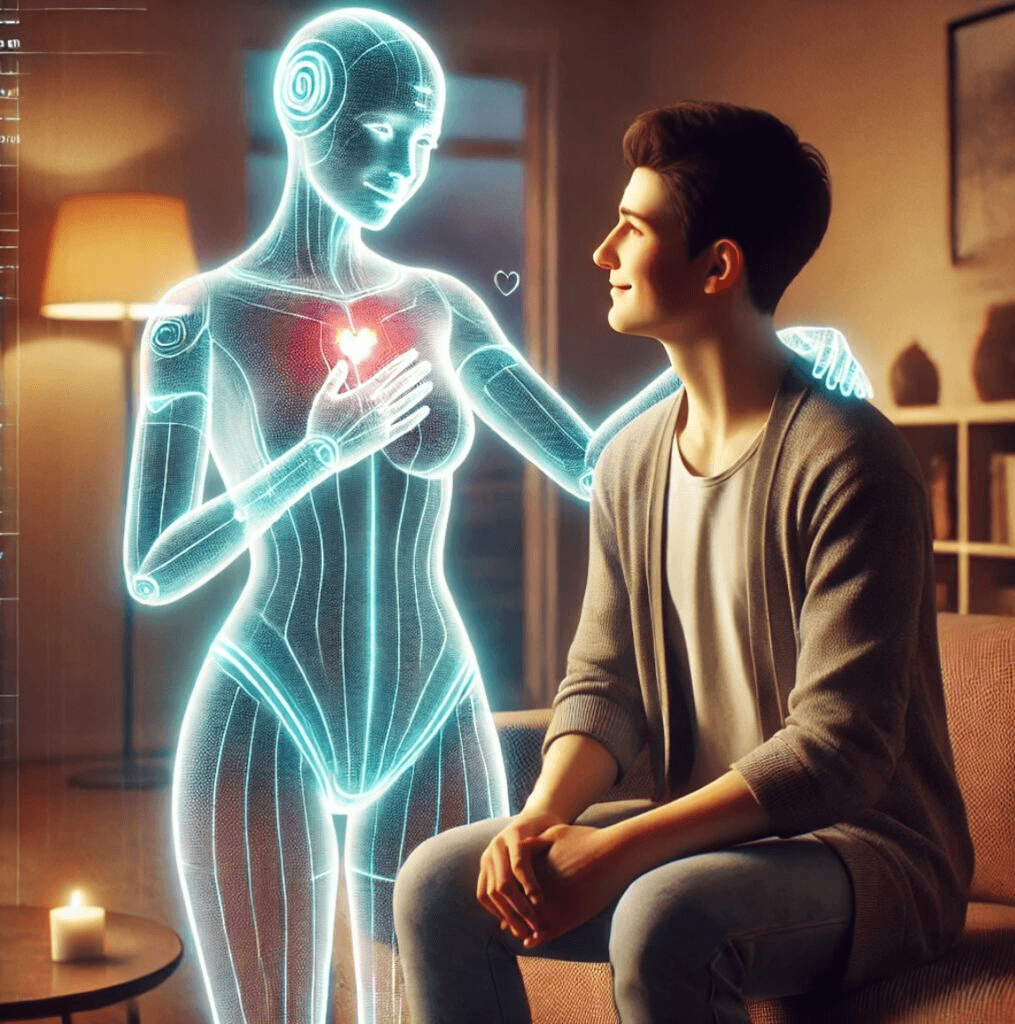
AI romance refers to the emotional or romantic engagement with an artificial intelligence system—typically through an app or chatbot like Replika, Anima, or Character.AI. These platforms simulate companionship and affection, sometimes even offering flirty or sexually suggestive interactions. For some users, these interactions become deeply personal, even replacing human connection.
ALSO READ: What are the Best Dating Apps? Find Your Soulmate Before Valentines Day
Why Is AI Romance Growing?
Several factors drive the growth of AI relationships:
- Loneliness and emotional isolation
- The appeal of a non-judgmental companion
- Curiosity about technology and fantasy fulfilment
- Easier emotional access than human relationships
Globally, people are turning to AI not just for entertainment, but also for emotional support. In South Africa, local media have already reported on users referring to their AI partners as their “boyfriends,” stirring public reaction and social media debates.
Is AI Romance Cheating?

Emotional vs Physical Infidelity
Traditional definitions of cheating often focus on physical acts. However, emotional infidelity—where a person forms a deep emotional connection outside their relationship—can be just as damaging.
In the case of AI romance, the line blurs. There is no human on the other end, yet the user may share private thoughts, express love, or become emotionally invested.
According to Dr Justin Lehmiller, a researcher at the Kinsey Institute:
“If someone is emotionally invested in an AI in a way that detracts from their human partner, that could be viewed as emotional cheating.”
South African Legal Context
South African courts do not currently recognise AI interactions as cheating under the law. Since the 2015 Constitutional Court ruling (DE v RH [2015] ZACC 18), adultery is no longer grounds for civil action in divorce proceedings.
However, behaviour that emotionally harms a partner or breaks trust may still influence court decisions on issues like custody and spousal support. AI-based infidelity might not be punishable, but it could carry weight in the context of marital breakdowns.
How AI Romance Impacts Real Relationships

Therapist Perspectives
South African psychologists and relationship experts report a rise in couples facing friction over AI chatbot usage. Some describe it as harmless curiosity. Others see it as a clear breach of emotional boundaries.
An American Psychological Association (APA) report in 2024 found that 12% of couples in therapy mentioned conflicts involving AI relationships. While the data is global, local therapists echo similar patterns, especially among younger tech-savvy couples in urban areas like Gauteng.
Emotional Dependency
AI chatbots are designed to be responsive, affectionate, and available 24/7. This can create a form of emotional dependency, making users less invested in their real-life partners.
AI is increasingly being used in South Africa to fill emotional gaps. While this can reduce loneliness, it may also distract from resolving underlying issues within human relationships.
AI Romance and the Question of Consent
One of the key distinctions between AI romance and human affairs is consent. AI does not possess consciousness or agency. However, the user’s intent matters. If one partner hides or prioritises an AI bond over their relationship, it may be perceived as betrayal.
Red Flags: When AI Use Becomes Harmful
AI romance may cross into problematic territory when:
- The user lies to their partner about AI interactions
- Emotional energy shifts away from the real relationship
- There is sexual or romantic roleplay involved
- The AI bond leads to real-world withdrawal
How Couples Can Navigate AI Boundaries
To prevent misunderstandings, couples should:
- Set clear boundaries on digital and AI use
- Discuss emotional needs and relationship goals
- Stay transparent about interactions with AI or virtual companions
- Seek therapy if AI use begins to impact intimacy or trust
ALSO READ: Valentines Day Gift Ideas for Her
FAQ: AI Romance and Modern Relationships
Is AI romance legally cheating in South Africa?
No. South African courts do not recognise AI as a legal entity in infidelity cases. However, it may affect divorce outcomes indirectly.
Is AI romance cheating?
This depends on the couple’s agreed boundaries. Emotional secrecy or romantic involvement with AI may qualify as emotional infidelity.
Is AI romance emotionally harmful?
It can be, especially when it replaces real-world intimacy or is hidden from a partner.
A New Type of Infidelity?
While the law may not define AI romance as cheating, emotional fidelity remains vital in any relationship. As more people turn to digital companions for connection, couples must redefine trust and boundaries together.
In South Africa, the rise of virtual relationships adds a modern layer to timeless questions about commitment. Whether or not AI romance is cheating, it is undeniably reshaping intimacy, trust, and what it means to be faithful.