Claims about natural colon cleansing continue to circulate widely, often linked to promises of improved digestion, detoxification, and overall wellness. These claims affect adults across Gauteng who experience digestive discomfort such as constipation or bloating, and are looking for non-medical ways to support gut health. The issue matters now as health information shared online increasingly blurs the line between evidence-based guidance and unproven wellness trends.
Medical experts consistently note that while digestive health is important, scientific evidence supporting routine colon cleansing outside of medical settings remains limited.
ALSO READ: How to Reduce High Blood Pressure: A 2026 Guide
Why It Is Central to Digestive Health
The colon, also known as the large intestine, plays a critical role in digestion by absorbing water, forming stool, and housing a large portion of the gut microbiome. A healthy colon supports regular bowel movements and helps maintain balance between beneficial and harmful bacteria.
According to health researchers, most digestive processes are self-regulating. The organ naturally removes waste without external intervention, provided hydration, diet, and physical activity are adequate.
Despite this, the idea that the colon requires periodic cleansing has gained popularity, particularly through wellness content shared online.
Where Cleansing Claims Come From
Colon cleansing has historically been associated with medical procedures such as bowel preparation before colonoscopies or treatment for severe constipation under clinical supervision.
Outside of medical use, colon cleansing is often promoted as a way to remove “toxins”, reset digestion, or improve energy levels. Health authorities note that these claims are not supported by strong scientific evidence.
According to multiple reviews of existing studies, research on natural colon cleansing methods remains limited in quality and scope, with most evidence focused on short-term bowel preparation rather than long-term health benefits.
Eight Commonly Cited Natural Approaches
1. Hydration
Adequate water intake supports stool formation and movement through the digestive tract, which can help reduce constipation and support regular bowel function.
2. Salt Water Flush
Some people use a saltwater mixture as a short-term method to stimulate bowel movement, although scientific evidence supporting its effectiveness outside of medical settings is limited.
3. High Fibre Diet
Dietary fibre from fruits, vegetables, whole grains, legumes, nuts, and seeds helps add bulk to stool and supports regular digestion while feeding beneficial gut bacteria.
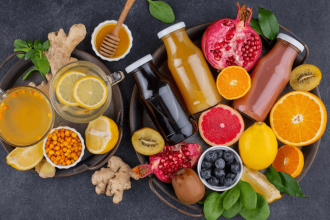
4. Juices and Smoothies
Fruit and vegetable juices and smoothies provide hydration and nutrients, though smoothies retain more fibre than juices, which is considered important for colon function.
5. Juice Fasting
Short-term juice fasts are often promoted for digestive resets, but research does not show clear colon cleansing benefits, and reduced fibre intake may limit digestive support.
6. Resistant Starches
Resistant starches found in foods such as legumes, whole grains, cooled potatoes, rice, and green bananas act similarly to fibre and support gut bacteria linked to colon health.
7. Probiotics
Probiotics from fermented foods introduce beneficial bacteria to the gut and may help support digestive balance, though they do not physically cleanse the colon.
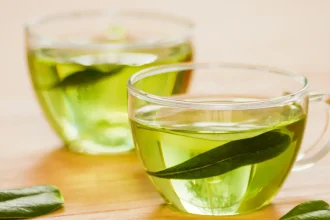
8. Herbal Teas
Certain herbal teas are traditionally used to support digestion, but laxative-based herbs may carry risks if overused and should be approached with caution.
What This Means for Gauteng Residents
For Gauteng residents, where access to health information varies widely between private healthcare, public clinics, and online sources, understanding the difference between evidence-based digestive care and unproven wellness claims is important.
Digestive discomfort is common, but experts stress that persistent symptoms should be evaluated by healthcare providers rather than addressed through repeated cleansing practices. The province’s high urban population and sedentary lifestyles also make diet, hydration, and physical activity key factors in digestive health.
Public health messaging increasingly focuses on sustainable habits rather than short-term interventions.
Medical Perspectives on Cleansing
Medical consensus remains clear that colon cleansing is not necessary for general health in people without specific medical indications.
Colon cleansing may be appropriate only in clinical contexts such as:
- Preparation for diagnostic procedures
- Treatment of medically diagnosed constipation
- Specific therapeutic interventions under supervision
Outside of these contexts, the body’s digestive system is designed to function independently.
FAQs
Does cleansing remove toxins?
There is no scientific evidence that colon cleansing removes toxins from the body.
Is constipation a reason to cleanse?
Constipation should be evaluated by a healthcare provider rather than treated through repeated cleansing.
Are natural colon cleanses safer than medical ones?
Natural methods may still carry risks if overused or combined with fasting or laxatives.
Do probiotics clean?
No. Probiotics support gut bacteria balance but do not cleanse the colon.
Can cleansing improve digestion long-term?
There is no strong evidence that colon cleansing improves long-term digestive health.
What Happens Next
Health experts continue to study the gut microbiome and its role in overall health, but current evidence does not support routine colon cleansing for the general population.
Public health guidance remains focused on balanced nutrition, hydration, physical activity, and timely medical care when digestive symptoms persist.
As health trends evolve online, medical professionals continue to emphasise evidence-based approaches over unverified wellness practices.