South African Quick Brief (2026)
In short: This 2026 South African civic guide provides practical context, official verification links, and clear next actions.
Who This Helps
- Readers seeking practical civic updates.
- Users needing verification-first guidance.
- People comparing related policy/service context.
Action Funnel (Gauteng and South Africa)
- Start with the quick brief for context.
- Verify details on official sources.
- Use linked hubs for related updates.
Entity Snapshot
- Public-service context
- Official sources
- Civic guidance
- South African coverage
- 2026 intent
Fast FAQ
Is this official policy text?
No. Verify final details on official sources.
Is this updated for 2026?
Yes.
What should I do next?
Use official links first, then proceed.
Next Internal Steps
2026 Refresh: This guide has been updated for 2026 with stronger structure, South African context, improved internal links, and current source references. Last reviewed: 3 March 2026
Quick Answer (2026)
This 2026 South African civic guide provides practical context, verification links, and clear next steps.
What Changed for 2026
- Year-specific references were refreshed for 2026 search intent.
- Internal linking was aligned to current Gauteng.News hubs and categories.
- Official-source links were added to support verification before decisions.
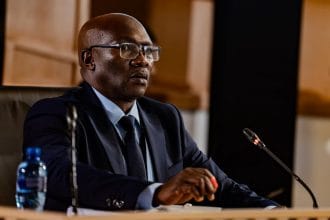
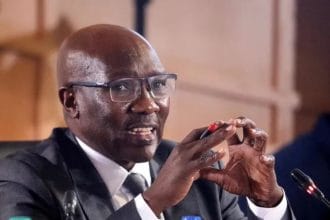
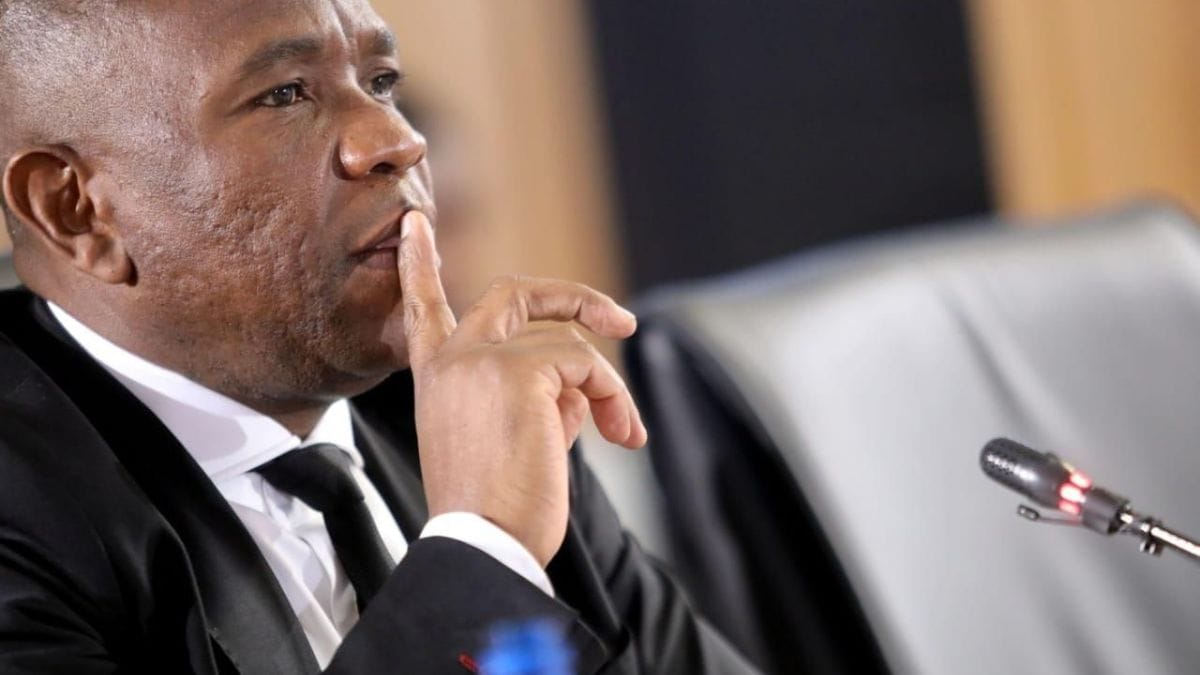
The credibility of the South African Police Service (SAPS) is under intense scrutiny following bombshell revelations at the Madlanga Commission. South Africans are witnessing yet another wave of police corruption and criminal infiltration, exposing the deep rot within the very institution tasked with protecting citizens.
What is the Madlanga Commission?
President Cyril Ramaphosa established the Madlanga Commission to investigate claims of criminal syndicates infiltrating SAPS, political interference in policing, and failures in law enforcement oversight. Chaired by Acting Deputy Chief Justice Mbuyiseli Madlanga, the commission is tasked with uncovering how far corruption has spread within South Africa’s criminal justice system.
Read more: “Mkhwanazi Lied To South Africa!” Slams Sibiya In Ad Hoc Committee Hearing – shocking testimony deepens SAPS leadership crisis.
SAPS Scandals Exposed: Testimonies Reveal Criminal Collusion
The SAPS scandals exposed at the commission include explosive testimony by Lieutenant General Nhlanhla Mkhwanazi, who alleged criminal networks within the police. He described political meddling, suppression of investigations, and threats against officers investigating high-profile crimes.
Criminologist Prof. Kholofelo Rakubu noted that public faith in SAPS has steadily eroded:
“It is no longer shocking when an officer is arrested for corruption.”
Civil Society Speaks Out Against Normalised Corruption
Civil society leaders warn that corruption has become embedded in everyday governance. Siyabulela Jentile, president of #NotInMyName, said:
“South Africans are not numb by choice; we are fatigued by repetition.”
In his view, accountability has become rare, and corruption is predictable. Jentile adds that people now rely more on community patrols than SAPS. In rural areas, residents feel abandoned by the very system designed to protect them.
Public Trust in SAPS at Historic Low
Recent surveys confirm the depth of the crisis. The Afrobarometer 2026 study revealed that 60% of South Africans believe “most or all police officers are corrupt.” Meanwhile, the HSRC Social Attitudes Survey reports the lowest public trust in SAPS since 1994.
The Institute for Security Studies adds that perceptions of collusion between police and criminals have intensified over the last decade.
Parliament’s Oversight and the Spectacle of Scandal
Parliament’s ad hoc committee has come under fire for focusing on political point-scoring rather than accountability. Corruption Watch researcher Melusi Ncala criticised MPs for turning the hearings into a “spectacle” rather than examining the substance of the allegations.
“People are treating corruption like a TV show. But the more it entertains, the less it transforms.” — Ncala
Read next: Kirsten Kluyts Murder: Trial Begins for Student Accused of Killing Pregnant Sandton Teacher – a case gripping Gauteng.
Community Policing Forums Face Intimidation
Community Policing Forums (CPFs) in Gauteng, Limpopo and Mpumalanga say cooperation with local SAPS branches has collapsed. Forum leaders report intimidation when exposing corruption. A CPF chairperson in Gauteng told IOL:
“We applaud the exposure, but the next day our members still don’t feel safer.”
This breakdown in local policing partnerships has left residents fending for themselves.
Consequences of Broken Policing
The result of broken trust is a rise in mob justice, under-reporting of crimes, and growing inequality in public safety. Wealthier communities turn to private security, while poor areas remain vulnerable.
The feedback loop is devastating: fear fuels corruption, and corruption fuels more fear. Organised syndicates exploit this dysfunction.
What Comes Next? Civil Society Calls for Reform
Groups like Corruption Watch and #NotInMyName are demanding criminal prosecutions, independent oversight bodies, and protection for whistle-blowers. Police unions POPCRU and SAPU admit that corruption in SAPS is a “cancer” needing urgent attention.
President Ramaphosa has pledged to act on the Madlanga Commission’s findings, but citizens remain sceptical. Only real consequences will restore public confidence.
A Nation at a Crossroads
The SAPS scandals exposed in 2026 are not just about policing. They reflect a broader crisis in public accountability. South Africans are not indifferent; they are exhausted.
If reforms fail again, the damage to democracy may be lasting. As Jentile warns:
“When corruption no longer shocks us, it has already conquered our expectations.”
Don’t miss: Suspected Illegal Miner Busted with Two AK-47s in Magaliesburg – major breakthrough in illicit mining crackdown.
The question remains: Will this commission be different?
Official Sources for Verification
Related Gauteng.News Resources
More 2026 Guides
This page supersedes the earlier edition for search and user navigation.