South African Quick Brief (2026)
In short: This 2026 Gauteng utility guide helps residents plan around outages, schedules, and service disruptions with trusted references.
Who This Helps
- Residents affected by utility disruptions.
- Households planning around public-service changes.
- Readers needing quick context and next steps.
Action Funnel (Gauteng and South Africa)
- Use the quick summary to confirm your disruption or service context.
- Check official sources before making final decisions.
- Use linked hubs for broader outage and transport-service updates.
Entity Snapshot
- Public-service updates
- Power and utility context
- Official verification sources
- 2026 Gauteng planning context
- Service-disruption guidance
Fast FAQ
Should this guide replace official notices?
No. Use this guide for context and always confirm with official notices.
Is this updated for 2026 coverage intent?
Yes. It has been refreshed for 2026 search relevance and navigation.
Where can I track related disruptions?
Use the linked Traffic & Load Shedding Hub and News category pages.
Next Internal Steps
2026 Refresh: This guide has been updated for 2026 with stronger structure, South African context, improved internal links, and current source references. Last reviewed: 2 March 2026
Quick Answer (2026)
This 2026 utility and public-service guide helps Gauteng residents plan around disruptions and policy changes using trusted references.
What Changed for 2026
- Year-specific references were refreshed for 2026 search intent.
- Internal linking was aligned to current Gauteng.News hubs and categories.
- Official-source links were added to support verification before decisions.
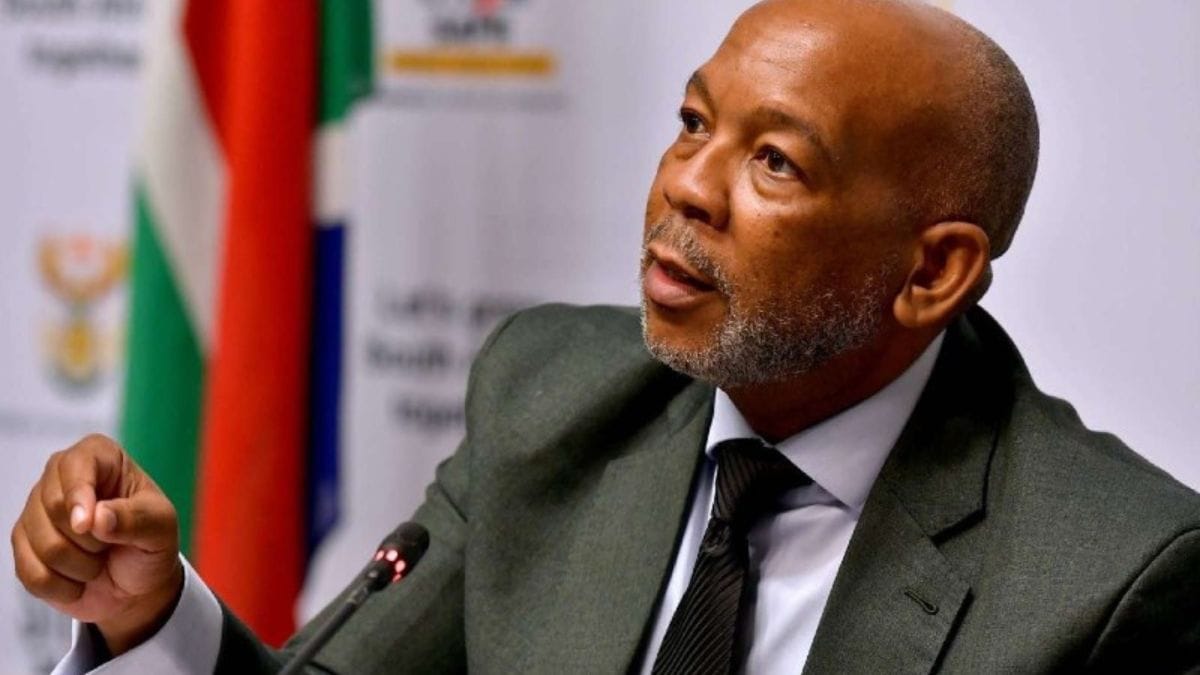
South Africa has taken a bold step toward energy transformation. Minister of Electricity and Energy, Dr Kgosientsho Ramokgopa, has unveiled a plan that prioritises Gas and Nuclear Power in the country’s long-term energy strategy. The announcement is part of the newly approved Integrated Resource Plan 2026 (IRP2025), which was gazetted on 24 October 2026.
A New Chapter in South Africa’s Energy Landscape
The IRP2025 sets out to add over 105,000MW of new electricity generation capacity by 2039. This is more than double the current Eskom generation capacity of 50,230MW. The plan supports South Africa’s goal of achieving net-zero carbon emissions by 2050 while ensuring economic growth of at least 3% per annum from 2030.
Read more in our update: City Power to Audit Meters in Roodepoort from October 20–28.
Focus on Gas and Nuclear Power
Gas and Nuclear Power are central to the IRP2025. The government plans to install 6,000MW of gas-to-power capacity by 2030, increasing to 16,000MW by 2039. In parallel, nuclear energy will grow from 3% of the current energy mix to 5% by 2039, with potential expansion up to 10,000MW.
Ramokgopa explained the rationale behind the shift:
“Gas generation is critical to close the baseload gap that will be left after the planned closure of coal generation plants.”

Why SA Gas and Nuclear Power Matter
South Africa’s over-reliance on coal has led to a fragile energy system. With nearly 58% of the country’s electricity currently generated from coal, there is an urgent need for diversification. Gas and Nuclear Power offer stable, dispatchable energy options that complement the intermittent nature of renewables like solar and wind.
Gas-to-Power: Bridging the Baseload Gap
The plan increases the minimum load factor for gas plants to 50%. This ensures operational stability and supports the development of vital gas infrastructure, such as import terminals and pipelines.
Ramokgopa warned of a looming “gas cliff”:
“We are likely to hit a gas cliff in 30 months, and 5% of the country’s GDP is at risk.”
To fast-track readiness, older diesel-powered turbines may be converted to run on gas.

Nuclear Power: A Strategic Reboot
IRP2025 includes a Nuclear Industrialisation Plan. This framework aims to support localisation, training, and full fuel cycle development. The Nuclear Industry Association of South Africa (NIASA) called it:
“A bold and pragmatic milestone aligning with national clean energy goals.”
The plan currently adds 5,200MW of nuclear capacity, with room for expansion based on economic and technological evaluations.
Economic and Environmental Impact
The R2.23 trillion investment is expected to revitalise the construction sector, create jobs, and support industrialisation. It will be funded by the private sector, while government acts as the electricity offtaker. This structure keeps liabilities off the national balance sheet.
Additionally, the IRP2025 reduces coal dependency to 27% by 2039, bringing the country closer to its climate commitments.
Balancing Local Realities and Global Goals
Ramokgopa made it clear that domestic realities will guide the transition:
“We are not abandoning coal, but managing it responsibly. Our conditions come before international expectations.”
Green hydrogen is excluded for now due to unresolved cost concerns. However, the IRP will be updated if it becomes feasible.
Implementation Challenges and Oversight
Execution will require robust governance, transparency, and interdepartmental coordination. Analysts warn that past energy plans stumbled due to procurement delays and financing gaps.
The IRP2025 acknowledges these risks and aims to mitigate them through mega bid windows and industrial master plans like SAREM.
Looking Ahead
Gas and Nuclear Power will define South Africa’s energy future. If implemented effectively, IRP2025 could ensure energy security, reduce emissions, and drive economic growth.
Official Sources for Verification
Related Gauteng.News Resources
More 2026 Guides
This page supersedes the earlier edition for search and user navigation.