South African Quick Brief (2026)
In short: This 2026 Gauteng utility guide helps residents plan around outages, load-reduction schedules, and service disruptions with trusted references.
Who This Helps
- Residents affected by load reduction or local outages.
- Households planning around power and water disruptions.
- Readers needing quick utility-status context and next steps.
Action Funnel (Gauteng and South Africa)
- Use the quick summary to confirm your area and disruption context.
- Check official sources before making final service decisions.
- Use linked hubs for broader outage and transport-service updates.
Entity Snapshot
- Load reduction schedules
- Power and water disruptions
- City service notifications
- Official verification sources
- 2026 Gauteng planning context
Fast FAQ
Should this guide replace official utility notices?
No. Use this guide for context and always confirm with official notices.
Is this updated for 2026 coverage intent?
Yes. It has been refreshed for 2026 search relevance and navigation.
Where can I track related disruptions?
Use the linked Traffic & Load Shedding Hub and News category pages.
Next Internal Steps
2026 Refresh: This guide has been updated for 2026 with stronger structure, South African context, improved internal links, and current source references. Last reviewed: 2 March 2026
Quick Answer (2026)
This 2026 utility update guide helps Gauteng residents plan around outages, load-reduction schedules, and service disruptions using trusted references.
What Changed for 2026
- Year-specific references were refreshed for 2026 search intent.
- Internal linking was aligned to current Gauteng.News hubs and categories.
- Official-source links were added to support verification before decisions.
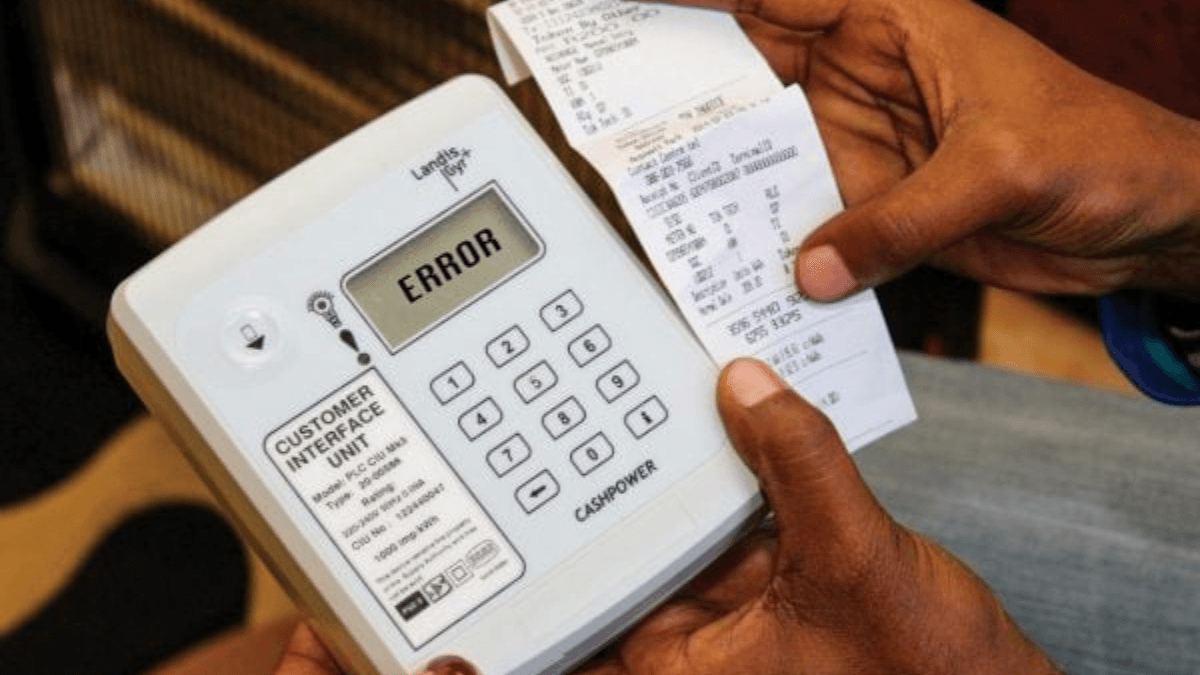
Millions of South Africans rely on a prepaid electricity meter to access and manage their power supply. These meters were introduced to improve convenience, cut down on unpaid bills, and strengthen revenue collection. But the reality is more complex. Fraud, tampering, technical resets, and tariff disputes have created new problems that affect both households and municipalities.
Smart Prepaid Meters Are Not a Complete Solution
Eskom and municipalities are rolling out smart prepaid meters with advanced metering infrastructure (AMI). These devices are designed to detect tampering and curb illegal electricity vending.
In its 2026 annual report, Eskom said the rollout would “assist in combating illegal vending activities by enabling improved theft and tamper detection.”
However, Johannesburg’s City Power suspended all prepaid meter conversions between 27 August and 1 November 2026. The suspension followed reports that some customers had become “non-vending,” meaning they no longer bought electricity after converting. Other accounts showed discrepancies where purchases were not reflected correctly.
Tariff design also added to the concern. Until July 2026, prepaid tariffs excluded fixed service and network charges. The pause gave City Power time to review these financial and operational impacts before restarting conversions.
Electricity Theft and Ghost Vending
Electricity theft remains one of the biggest threats to prepaid electricity meters. Tampering, bypassing, and fraudulent vending schemes continue to drain Eskom and municipalities of revenue.
- Ghost vending syndicates: MyBroadband reports that corrupt insiders helped criminals breach Eskom’s online vending system (OVS). Fake electricity tokens were sold for as little as 25 cents per unit, undermining official sales.
- Massive losses: Eskom reported R7.2 billion in losses from criminal conduct in 2026, of which R7.1 billion was linked to electricity theft. Experts believe the true figure could be even higher.
- Municipal exposure: Parliament’s Cooperative Governance Committee warned that faulty or illegal prepaid boxes could cost municipalities up to R8 billion a year.
City Power has already fined households in Johannesburg for tampered meters, with penalties exceeding R14,000 in some cases. In Kliptown, more than 120 homes were disconnected for bypassing prepaid systems. Cape Town has also reported a rise in tampering.
University of Johannesburg forensic investigator Calvin Rafadi noted that ghost vending persisted because stolen equipment from Eskom’s older systems was never fully recovered. Despite improvements, dismantling syndicates has proven difficult.
The Prepaid Electricity Meter Reset Deadline
In 2026, South Africa faced the Token Identifier (TID) reset. By 24 November 2026, all 11.64 million prepaid meters had to be updated. Without this reset, meters would reject new tokens.
Eskom said that 97% of its meters were pre-coded to simplify the process. Despite this, hundreds of thousands of meters were still at risk of becoming non-functional as the deadline approached. Parliament expressed concern about the pace of updates, warning of potential large-scale service disruptions.
Although the crisis was mostly averted, the reset revealed how vulnerable prepaid infrastructure is to technical issues. A failure of this scale could easily leave millions without electricity.
Social and Economic Impacts
Prepaid electricity meters improve cost recovery for utilities, but the impacts on households are mixed.
- Reduced consumption: A Cape Town study found households used about 14% less electricity after switching to prepaid. While this improved revenue collection, many families had less energy for daily needs.
- Community resistance: Research from the University of Johannesburg shows many residents reject prepaid meters due to affordability concerns, poor consultation, and distrust of government promises.
- Household hardship: Some households reported greater food insecurity after switching, as limited budgets were stretched across electricity and essentials.
- Tariff changes: Adding fixed service charges to prepaid tariffs risks making electricity unaffordable for low-usage households.
These findings highlight that prepaid electricity systems are not just technical fixes. They carry deep social and economic implications, particularly for low-income communities.
ALSO READ: Eskom Urges South Africans to Register for Free Electricity
Moving Forward with Prepaid Electricity Meters
South Africa’s prepaid electricity meters are here to stay, but the challenges remain serious:
- Fraud and ghost vending syndicates cost billions.
- Technical resets expose system vulnerabilities.
- Poor rollout planning reduces public trust.
- Tariff changes place extra strain on low-income households.
Eskom and municipalities are improving fraud detection, upgrading vending systems, and expanding smart meter rollouts. But technology alone is not enough. Fair tariff structures, transparent communication, and stronger governance will be critical if prepaid electricity metering is to deliver secure and reliable access for all South Africans.
Official Sources for Verification
Related Gauteng.News Resources
More 2026 Guides
This page supersedes the earlier edition for search and user navigation.