South African Quick Brief (2026)
In short: This 2026 Gauteng utility guide helps residents plan around outages, schedules, and service disruptions with trusted references.
Who This Helps
- Residents affected by utility disruptions.
- Households planning around public-service changes.
- Readers needing quick context and next steps.
Action Funnel (Gauteng and South Africa)
- Use the quick summary to confirm your disruption or service context.
- Check official sources before making final decisions.
- Use linked hubs for broader outage and transport-service updates.
Entity Snapshot
- Public-service updates
- Power and utility context
- Official verification sources
- 2026 Gauteng planning context
- Service-disruption guidance
Fast FAQ
Should this guide replace official notices?
No. Use this guide for context and always confirm with official notices.
Is this updated for 2026 coverage intent?
Yes. It has been refreshed for 2026 search relevance and navigation.
Where can I track related disruptions?
Use the linked Traffic & Load Shedding Hub and News category pages.
Next Internal Steps
2026 Refresh: This guide has been updated for 2026 with stronger structure, South African context, improved internal links, and current source references. Last reviewed: 2 March 2026
Quick Answer (2026)
This 2026 utility and public-service guide helps Gauteng residents plan around disruptions and policy changes using trusted references.
What Changed for 2026
- Year-specific references were refreshed for 2026 search intent.
- Internal linking was aligned to current Gauteng.News hubs and categories.
- Official-source links were added to support verification before decisions.
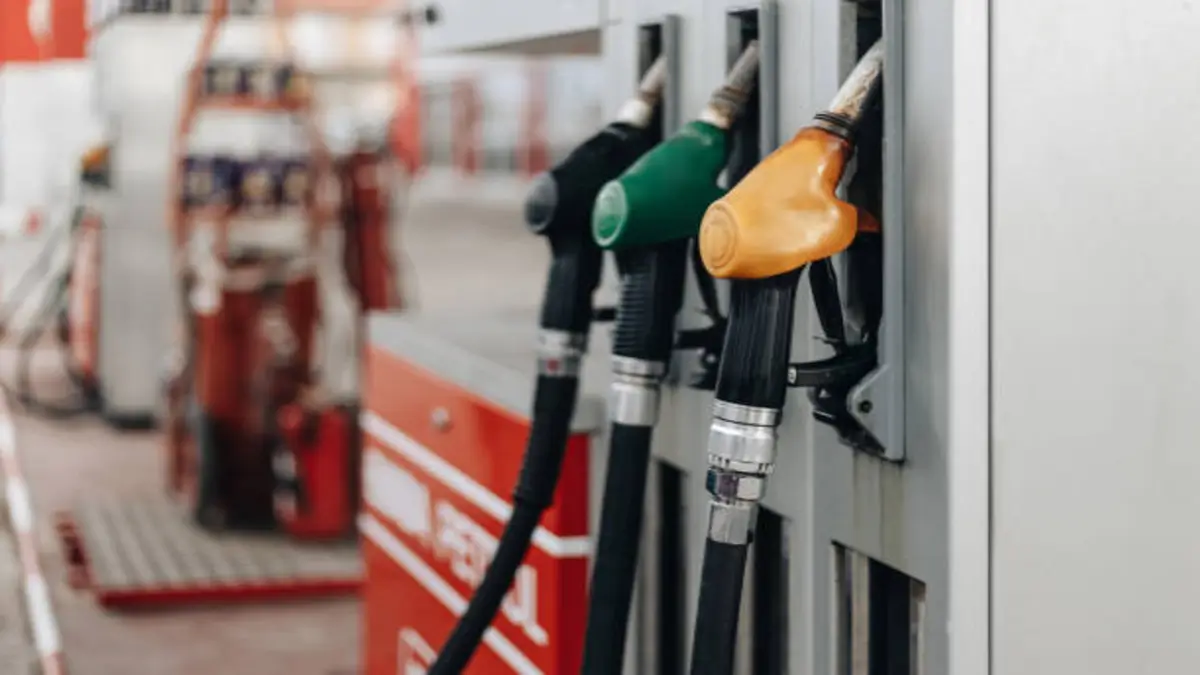
Petrol price relief is on the horizon for South African motorists in November 2026, as global oil prices continue their steep decline. Brent crude has slumped toward the $60 a barrel mark its sharpest losing streak since March paving the way for a significant drop in local petrol and diesel prices.
Global Tensions Drive Oil Down
According to Bloomberg’s market analysis, the main catalyst behind the oil slump is the escalating tension between the United States and China. Renewed fears of a trade war between the world’s two largest economies have rattled markets, with concerns that strained trade relations will curb global economic growth and reduce energy demand.
While a temporary truce was declared earlier this year, China has since tightened its grip on rare-earth mineral exports a move that has angered Washington. Beijing, on the other hand, blames the US for inflaming tensions by introducing restrictive trade measures after meetings in Madrid.
As both sides dig in, global oil markets are factoring in weaker demand ahead. This coincides with increasing oil output, with industry analysts expecting a global oversupply of around 20% in 2026. The result: oil prices have already dropped 3% this week and nearly 20% since the start of the year.
Local Fuel Price Recovery Builds
This downward pressure on oil is translating into stronger over-recoveries for local fuel pricing, ranging between 16 and 50 cents per litre. Analysts predict further drops in the coming weeks, with some projections pointing to oil dipping well below $60 a barrel a scenario that could amplify over-recoveries going into December.
The rand has also remained fairly resilient against the dollar despite recent volatility, helping to buffer motorists against larger fluctuations.
Mid-Month Petrol Price Forecast
Current estimates suggest the following price adjustments for November 2026:
- Petrol 93: decrease of 61 cents per litre
- Petrol 95: decrease of 58 cents per litre
- Diesel 0.05% (wholesale): decrease of 29 cents per litre
- Diesel 0.005% (wholesale): decrease of 29 cents per litre
- Illuminating paraffin: decrease of 14 cents per litre
The drop in global oil prices is the primary driver behind these expected cuts, complemented by a rand/dollar exchange rate that, while slightly weaker, remains more stable than in September.
Rand Outlook Holds Opportunities and Risks
Economists say the rand could strengthen further in the coming weeks, potentially pushing below the R17.00/$ level. Rising gold and platinum prices and favorable trade terms are adding to this optimism.
However, the local currency is not immune to external shocks. Its recent trading range between R17.07 and R17.50 per dollar reflects how global risk sentiment, geopolitical developments, speculation over US interest rate cuts, and the ongoing US government shutdown are influencing its direction.
A Welcome Break for Consumers
If the current trends hold, South Africans could enjoy noticeable savings at the fuel pumps from November. This comes at a crucial time as households prepare for year-end travel and rising living costs.
Market watchers will keep a close eye on both the oil price trajectory and the rand’s performance, as these will determine the final adjustment announced at month-end. For now, the outlook is looking brighter for motorists.
Related article: November 2026 Petrol Price Drop: Major Fuel Cost Relief Ahead
Official Sources for Verification
Related Gauteng.News Resources
More 2026 Guides
This page supersedes the earlier edition for search and user navigation.