South African Quick Brief (2026)
In short: This 2026 Gauteng utility guide helps residents plan around outages, schedules, and service disruptions with trusted references.
Who This Helps
- Residents affected by utility disruptions.
- Households planning around public-service changes.
- Readers needing quick context and next steps.
Action Funnel (Gauteng and South Africa)
- Use the quick summary to confirm your disruption or service context.
- Check official sources before making final decisions.
- Use linked hubs for broader outage and transport-service updates.
Entity Snapshot
- Public-service updates
- Power and utility context
- Official verification sources
- 2026 Gauteng planning context
- Service-disruption guidance
Fast FAQ
Should this guide replace official notices?
No. Use this guide for context and always confirm with official notices.
Is this updated for 2026 coverage intent?
Yes. It has been refreshed for 2026 search relevance and navigation.
Where can I track related disruptions?
Use the linked Traffic & Load Shedding Hub and News category pages.
Next Internal Steps
2026 Refresh: This guide has been updated for 2026 with stronger structure, South African context, improved internal links, and current source references. Last reviewed: 2 March 2026
Quick Answer (2026)
This 2026 utility and public-service guide helps Gauteng residents plan around disruptions and policy changes using trusted references.
What Changed for 2026
- Year-specific references were refreshed for 2026 search intent.
- Internal linking was aligned to current Gauteng.News hubs and categories.
- Official-source links were added to support verification before decisions.
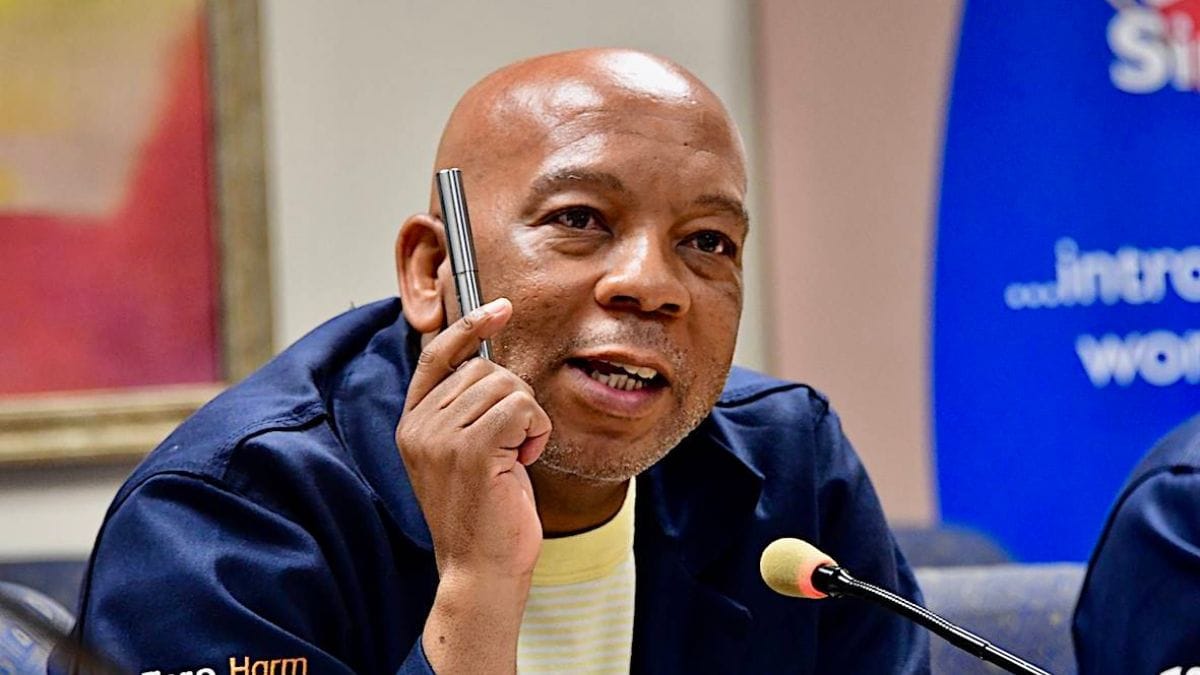
South Africans have long endured load reduction, a practice that disproportionately affects poorer communities. Now, hope is on the horizon. Minister of Electricity and Energy, Dr. Kgosientsho Ramokgopa, has announced that load reduction will come to an end within the next 12 to 18 months.
In his briefing, the minister stressed that the success of this plan depends on both community cooperation and upgrades to ageing infrastructure.
You can stay updated on planned outages by checking the Gauteng Load Reduction Schedule: 23 – 30 September 2026.
Minister Announces End to Load Reduction
During a media briefing on 25 September 2026, Minister Ramokgopa declared:
“Today, I’m announcing that we are ending load reduction. The period we have set ourselves is anything between 12 and 18 months, but it can be exceptionally shorter than that.”
The statement marks a major shift in energy policy, following months of reduced load shedding nationwide.
Who Is Affected by Load Reduction?
Currently, 1.69 million households, representing about 8.5 million South Africans, experience load reduction. These outages occur during morning and evening peak periods and disproportionately impact townships and informal settlements.
This imbalance creates what the minister called an “appearance of discrimination”, since wealthier areas remain unaffected.
Why Does Load Reduction Exist?
Load reduction differs from load shedding. While load shedding balances national supply and demand, load reduction happens when local transformers are overloaded, often due to illegal connections.
Eskom’s official page explains that load reduction prevents transformer damage and dangerous overloading.
Community Cooperation Is Crucial
The minister emphasised that the 18-month timeline depends heavily on how communities receive these interventions.
“There are parts of the country where we are confident we’ll get cooperation, and there are parts where we know it’s going to be difficult.” — Ramokgopa
Without full cooperation, resistance could extend the rollout to the full 18 months.
Smart Meters at the Centre of the Solution
A national rollout of smart meters will transform how electricity is distributed. According to Eskom’s Collin Redi, the utility already has experience with smart meter installation.
“We have already rolled out smart meters. The ministry indicated that we will be rolling out the smart meters throughout the country.”
Smart meters will allow the government to bypass municipalities when distributing free basic electricity, ensuring that eligible households receive their allocation directly.
Read more about the latest power supply risks in Eskom Issues Urgent Warning to South Africans.
Tackling Illegal Connections
Illegal connections are a significant driver of load reduction. Ramokgopa noted that some Eskom and municipal employees profit from these unlawful setups.
“We know that there are those who are profiting from these illegal connections… they are going to agitate to resist our presence.”
By installing smart meters and pursuing fines, the government hopes to clamp down on these practices.
Tamper Fines and Payment Arrangements
Customers found with tampered meters or illegal connections will face strict financial penalties.
- 70% of affected households must pay R500 monthly for 12 months, or
- Choose a lump sum payment of R6 000.
Eskom’s Agnes Mlambo clarified that credit management will still apply to outstanding debts, with exemptions for the most impoverished households.
Free Basic Electricity Distribution Challenges
Although 2.1 million customers qualify for free basic electricity, only 483 000 currently receive it. Municipalities often fail to maintain accurate indigent registers and sometimes misdirect allocated funds.
Smart meters will eliminate these inefficiencies by allowing the government to preload electricity directly to eligible meters at the start of each month.
Municipal Cooperation Still Needed
While smart meters reduce dependence on municipalities, local governments remain essential in maintaining infrastructure. The minister confirmed that distribution agency agreements are before Cabinet for review.
Community engagement will use ward councillors and committees, ensuring that interventions are rooted in existing local structures.
Electricity Pricing Policy Under Review
Beyond load reduction, government is also confronting the skyrocketing cost of electricity. Between 2007 and 2026, electricity prices rose 937%, compared with inflation of 155%.
Ramokgopa promised a new electricity pricing policy, with public consultation and a target conclusion by the first quarter of 2026.
“This dramatic increase erodes household disposable income across all income levels, though it disproportionately affects the poor.”
Find out how to qualify and apply in Eskom Urges South Africans to Register for Free Electricity.
What This Means for Households
If successful, the end of load reduction will:
- Stabilise electricity supply in vulnerable communities.
- Reduce the sense of inequality in energy distribution.
- Strengthen Eskom’s revenue collection through smart metering.
- Improve access to free basic electricity for millions of households.
A Turning Point in South Africa’s Power Struggles
The announcement that load reduction is ending is both bold and hopeful. While challenges remain, including illegal connections, infrastructure upgrades, and municipal cooperation, the planned smart meter rollout and payment reforms represent tangible progress.
South Africans will be watching closely to see if this ambitious 12–18 month timeline can deliver real change.
Official Sources for Verification
Related Gauteng.News Resources
More 2026 Guides
This page supersedes the earlier edition for search and user navigation.