South African Quick Brief (2026)
In short: This 2026 South African civic guide provides practical context, official verification links, and clear next actions.
Who This Helps
- Readers seeking practical civic updates.
- Users needing verification-first guidance.
- People comparing related policy/service context.
Action Funnel (Gauteng and South Africa)
- Start with the quick brief for context.
- Verify details on official sources.
- Use linked hubs for related updates.
Entity Snapshot
- Public-service context
- Official sources
- Civic guidance
- South African coverage
- 2026 intent
Fast FAQ
Is this official policy text?
No. Verify final details on official sources.
Is this updated for 2026?
Yes.
What should I do next?
Use official links first, then proceed.
Next Internal Steps
2026 Refresh: This guide has been updated for 2026 with stronger structure, South African context, improved internal links, and current source references. Last reviewed: 2 March 2026
Quick Answer (2026)
This 2026 South African civic guide provides practical context, verification links, and clear next steps.
What Changed for 2026
- Year-specific references were refreshed for 2026 search intent.
- Internal linking was aligned to current Gauteng.News hubs and categories.
- Official-source links were added to support verification before decisions.
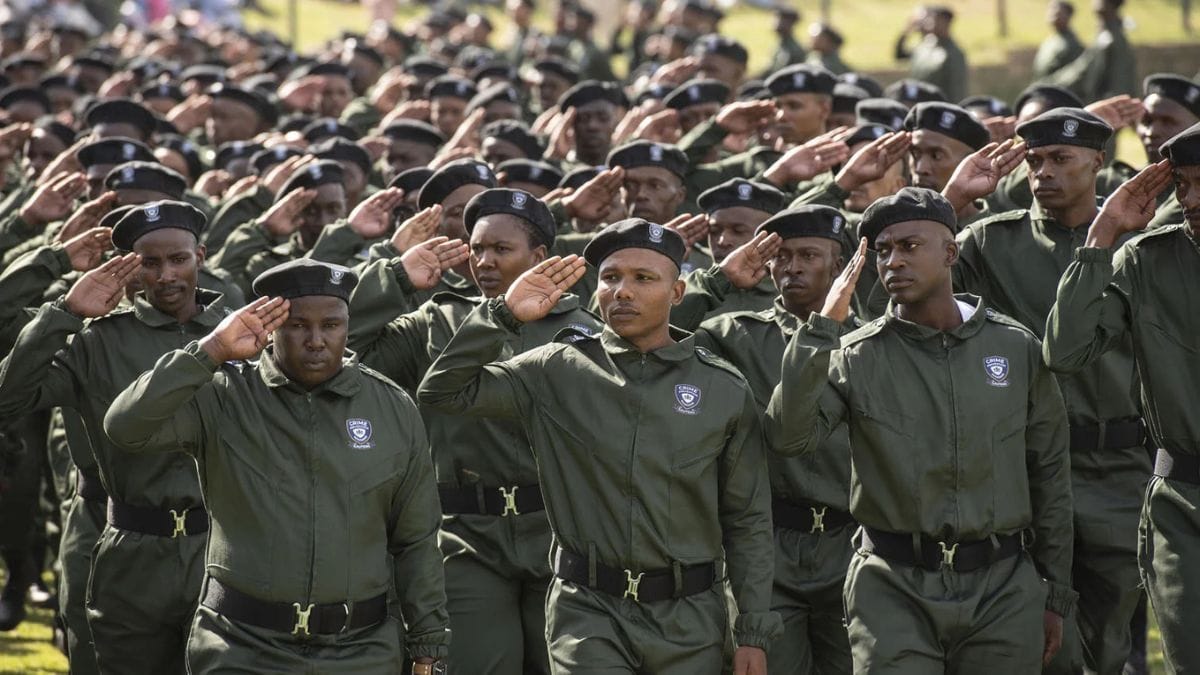
Gauteng Premier Panyaza Lesufi has announced a major restructuring of the controversial amaPanyaza crime prevention unit. The move aims to address growing legal concerns and improve the effectiveness of community safety efforts in the province.
What Prompted the Disbandment of amaPanyaza?
The decision to disband the Crime Prevention Wardens, known informally as amaPanyaza, follows public scrutiny and legal findings. Introduced in 2026 as part of the Nasi iSpani employment programme, the wardens were deployed to patrol townships and crime hotspots.
Read more: Gauteng Govt Denies Claims amaPanyaza Operate Illegally – the province responds to legal concerns surrounding the wardens.
However, questions around their training, powers, and legal status persisted. The Public Protector recently ruled that the programme was “irregular and inconsistent with the Constitution”. Law enforcement experts also raised red flags over the unit’s authority and mandate.
Premier Lesufi’s Plan for Reassignment and Retraining
Despite the criticism, Lesufi remains firm in his support for the wardens’ mission. At a media briefing on 22 October 2026, he announced a phased disbandment of the unit.
“We really believe what they are doing is needed in our communities,” Lesufi stated.
All 8,000+ wardens will now enter a formal 18 to 36-month training programme. Those who qualify will be absorbed into the Gauteng Traffic Police, special law enforcement units, or other provincial security services.
Those who do not qualify will not be left behind. Instead, they will be assigned roles in municipal by-law enforcement or serve as security officers in government departments.
Legal and Constitutional Challenges
The disbandment comes amid serious legal findings against the wardens’ structure. The SAPS KwaZulu-Natal Commissioner, Lt-Gen Nhlanhla Mkhwanazi, was among those who called the unit “illegal”, citing the absence of supporting legislation.
Although former Justice Minister Ronald Lamola designated the wardens as peace officers under the Criminal Procedure Act, legal gaps remained unresolved. The Public Protector further highlighted that the creation of the unit bypassed proper legislative procedures.
amaPanyaza’s Impact on Crime Prevention
Lesufi has consistently defended the wardens’ performance. Since 2026, the unit has reportedly made over 25,000 arrests in high-crime areas.
Also read: Police Clash: SAPS vs JMPD in Gauteng – Metro Cops Arrested – tensions rise between law enforcement agencies.
The wardens increased police visibility in informal settlements and acted as a deterrent in crime hotspots. For many residents, they provided a sense of security in areas often underserved by SAPS.
The Way Forward: Formalisation and Accountability
This restructuring aims to professionalise community law enforcement. By shifting wardens into recognised roles within traffic and municipal policing, the government hopes to strengthen accountability and legal compliance.
Importantly, wardens will continue to receive stipends during training. This reflects the province’s commitment to both job preservation and skills development.
The programme will also fall under tighter administrative and legislative oversight. This shift responds directly to national concerns about unregulated security initiatives operating without proper mandates.
Political and Social Implications
The amaPanyaza programme was central to Lesufi’s youth employment and anti-crime agenda. However, critics argue the move is more about damage control than reform.
Civil society organisations, opposition parties, and police unions have long questioned the unit’s role and oversight. Lesufi’s latest decision appears to be a balancing act between salvaging the programme and respecting constitutional limits.
Don’t miss: Senzo Mchunu Cites ‘Dangerous Man’ Matlala’s Affidavit in His Defense – explosive claims surface in political showdown.
A Strategic Reset for Community Safety
While the headline “Lesufi Disbands amaPanyaza” may suggest defeat, the reality is more nuanced. This is not an end, but a strategic reset. By bringing the wardens into formal policing structures, Gauteng seeks to build a more effective, lawful, and accountable crime prevention force.
Official Sources for Verification
Related Gauteng.News Resources
More 2026 Guides
This page supersedes the earlier edition for search and user navigation.