South African Quick Brief (2026)
In short: This 2026 South African jobs guide gives you a direct answer, practical context, and a clear next-step funnel from verification to action.
Who This Helps
- Job seekers in Gauteng and across South Africa.
- Applicants comparing bursary, internship, learnership, or vacancy options.
- Readers who need a verified path before applying.
Action Funnel (Gauteng and South Africa)
- Use the quick summary to confirm this opportunity or topic matches your profile.
- Verify deadlines, requirements, and final details using the official source links below.
- Move to the Jobs Hub and Jobs category for latest related opportunities.
Entity Snapshot
- Jobs and vacancies
- Learnership and bursary pathways
- Eligibility and documentation
- Official source verification
- 2026 Gauteng and SA job context
Fast FAQ
Is this page updated for 2026 opportunities?
Yes. The article has been refreshed for 2026 intent and current internal navigation.
Should I apply directly from links inside editorial text?
Use this guide for direction, then verify and apply through official sources.
Where can I find similar opportunities quickly?
Use the Jobs Hub and Jobs category links in this page for ongoing updates.
Next Internal Steps
2026 Refresh: This guide has been updated for 2026 with improved structure, stronger internal links, and current source references. Last reviewed: 2 March 2026
Quick Answer (2026)
This 2026 update explains petrol-attendant salary ranges, common pay factors, and practical steps job seekers can use to evaluate opportunities.
What Changed for 2026
- Year-specific references were refreshed for 2026 intent.
- Internal linking was strengthened to relevant Gauteng.News hubs and categories.
- Official-source links were added for verification before decisions.
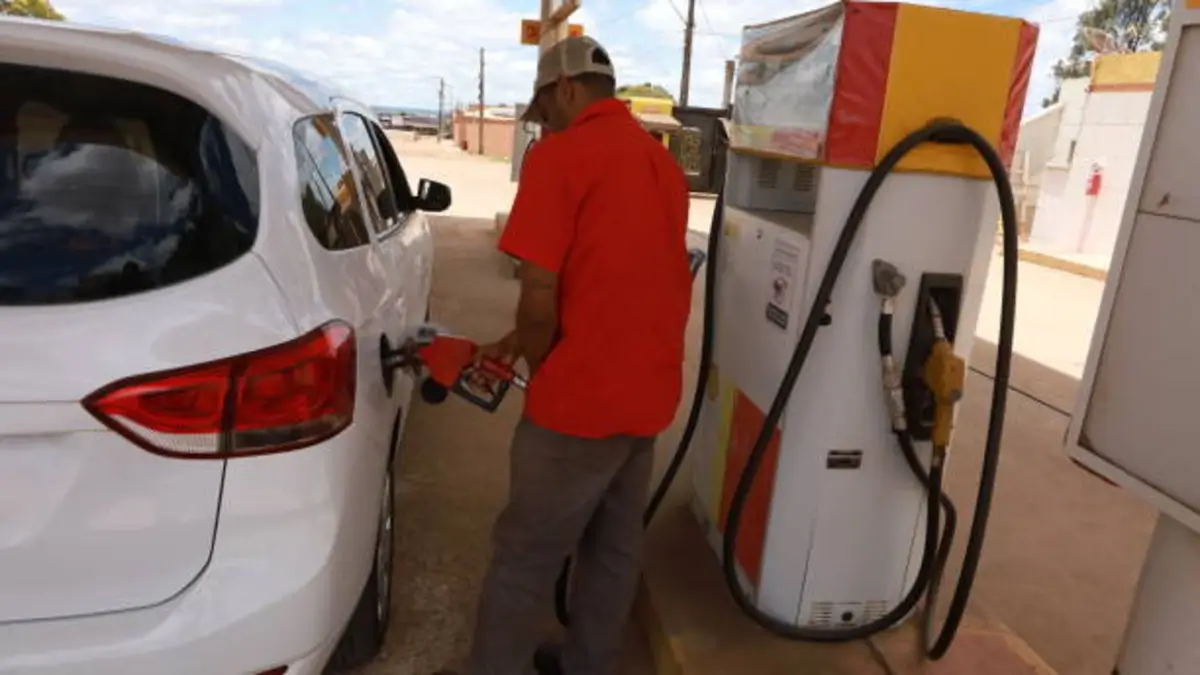
Petrol attendants in South Africa continue to play a vital role in keeping motorists on the road, and in 2026, their earnings reflect both industry standards and a growing culture of tipping.
As of this year, the minimum wage for petrol attendants stands at R43.61 per hour, equating to about R1,962.45 per week or R7,850 per month. These figures are mandated by the Motor Industry Bargaining Council (MIBCO) and remain valid until August 2026.
However, many attendants take home significantly more than this base salary. According to Trade & Industrial Policy Strategies (TIPS), South Africa’s 140,000 petrol station employees benefit from a tipping culture that has become deeply embedded in forecourt service.
The Tipping Advantage
TIPS data shows that attendants commonly receive R30 per tip, with an average of 12 tips per shift. This could potentially add an extra R360 per shift, boosting monthly earnings well beyond the base salary. In a best-case scenario, an attendant working 25 shifts a month could make R9,000 in tips alone, totaling over R16,000 monthly income.
That said, tipping amounts vary. A Glassdoor survey conducted in Johannesburg estimates monthly tips to average around R750, and a 2026 BusinessTech poll found that 44% of motorists don’t tip at all, with 27% tipping only R5. A mere 13% of respondents gave more than R10, indicating inconsistency in gratuity practices.
Digital Tipping: A Game Changer
As physical cash becomes less common, forecourts are adapting by embracing digital tipping platforms. One notable innovation is Sasol’s “Tipped” feature, developed by Kimlynn Temple, which allows motorists to tip attendants electronically.
Temple revealed that attendants now receive 12 to 20 tips daily, often higher in value than before. The average digital tip now sits at R30, with some workers reportedly earning between R10,800 and R18,000 per month when combining wages and tips.
People are more inclined to give generously when it’s a few taps on a screen rather than fishing for loose change, Temple said, noting that digital payments have increased total tip revenue by up to 40%.
Petrol Attendants: More Than Just a Job
The role of petrol attendants in South Africa has evolved beyond basic service. In 2026, they are not only ensuring vehicles are fueled and road-ready but also benefiting from a shift in how South Africans reward good service. While the base salary provides financial stability, it’s the growing culture of tipping, especially through digital means, that is transforming the earning potential for many workers. With platforms like Sasol’s “Tipped” making it easier to show appreciation, petrol attendants are beginning to earn wages that reflect their essential role on South African roads. As tipping trends continue to rise, the profession is becoming more sustainable and rewarding than ever before.
Looking Ahead
As tipping continues to evolve in the digital age, the earning potential for South African petrol attendants is improving. While disparities in tip amounts still exist, innovations like “Tipped” are helping to create a more consistent and rewarding environment for these essential workers.
In 2026, petrol attendants are not just pumping fuel, they’re also benefiting from a shift in consumer behavior, one swipe at a time.
Related article: July 2026 Petrol Price Increase Confirmed
Official Sources for Verification
Related Gauteng.News Resources
More 2026 Guides
- South Africa Unemployment Rate in 2026: What It Means for Job Seekers
- WeThinkCode Youth Development Programme 2026: Application Guide
- Gauteng Jobs Hub
This page supersedes the earlier 2024/2025 edition for search and user navigation.