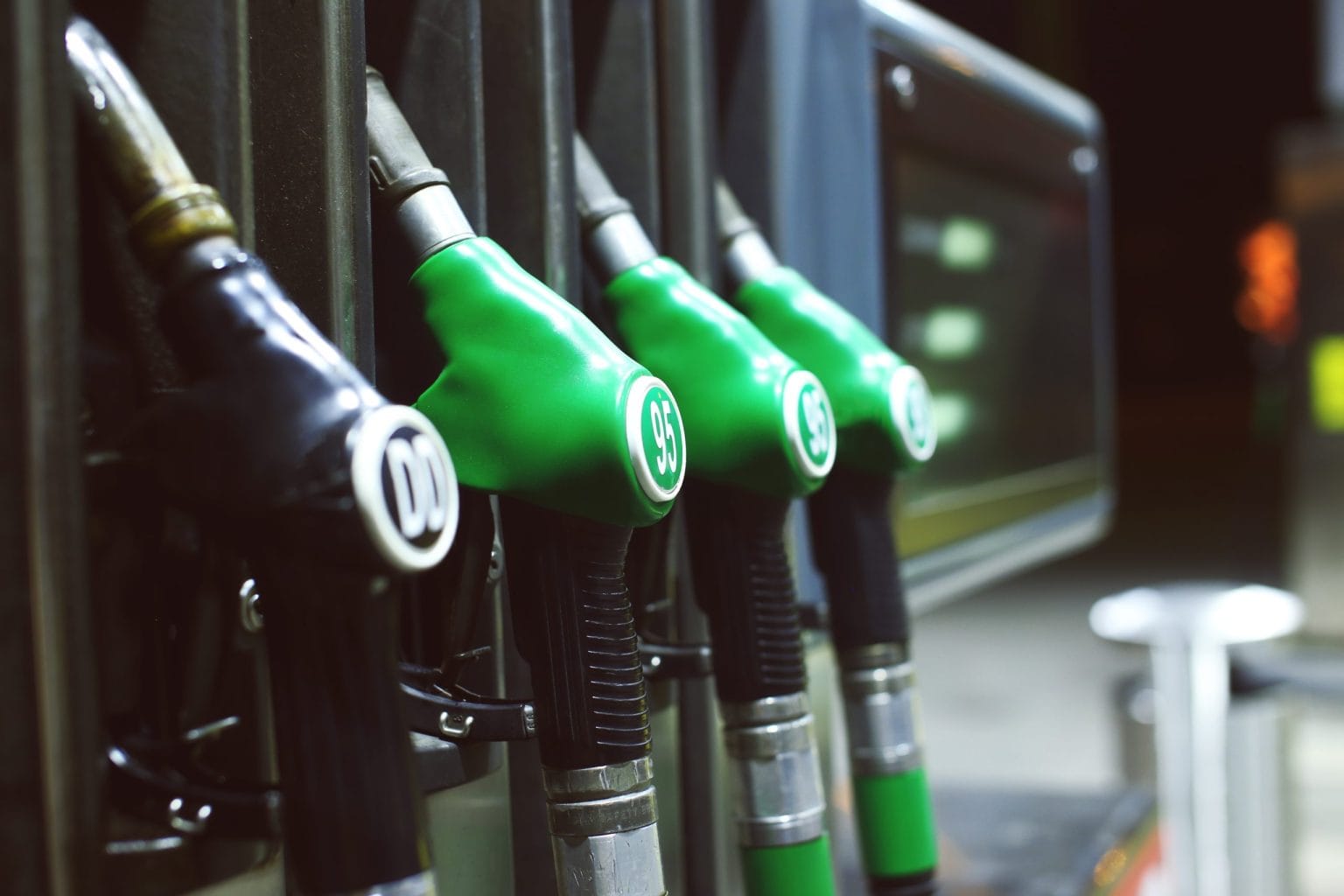
A Petrol and Diesel Price Hike is likely in March 2026, according to the latest fuel price recovery data. Early February figures from the Central Energy Fund (CEF) show both petrol and diesel prices shifting into negative territory.
While petrol increases remain marginal, diesel users face steeper adjustments. Gauteng motorists and businesses should prepare for higher transport costs if current trends continue.
Latest Fuel Price Projections for March
The second week of February data indicates the following possible adjustments:
- Petrol 93: Increase of 2 cents per litre
- Petrol 95: Increase of 3 cents per litre
- Diesel 0.05% (wholesale): Increase of 46 cents per litre
- Diesel 0.005% (wholesale): Increase of 48 cents per litre
- Illuminating paraffin: Increase of 24 cents per litre
Diesel shows the most significant under-recovery. This development affects logistics, agriculture and public transport sectors directly.
ALSO READ: SONA 2026: Ramaphosa Deploys Army to Tackle Crime on Cape Flats and Gauteng
Why Is the Petrol and Diesel Price Hike Happening?
Two major factors drive the current projections:
1. Rising Global Oil Prices
Global oil prices surged at the end of January. Geopolitical tensions between the United States and Iran triggered the spike. As a result, petroleum product recoveries moved sharply into negative territory.
Diesel recoveries now sit at around -66 cents per litre, while petrol recently shifted to -19 cents per litre. These base effects have reversed earlier positive trends.
Although oil prices are easing slightly, uncertainty remains. Markets continue reacting to US inflation data, Federal Reserve rate expectations and geopolitical risks.
2. Rand Strength Offers Partial Relief
The rand has provided some cushion. It contributed approximately +17 cents per litre in over-recovery for both fuel types.
In January, the rand traded below R15.70/$ before weakening above R16.40/$ in early February. It currently trades around R16.00/$.
The currency strengthened ahead of President Cyril Ramaphosa’s State of the Nation Address. However, it retreated afterwards as markets anticipated fiscal clarity.
Currency performance remains linked to:
- US inflation data (CPI releases)
- Federal Reserve interest rate decisions
- South Africa’s fiscal outlook
- Global risk appetite
Focus Shifts to April Fuel Taxes
Beyond March, attention shifts to April 2026. Finance Minister Enoch Godongwana will present the 2026 Budget on 25 February 2026.
Economists warn that fuel levies could rise if the government seeks additional revenue. Fuel taxes remain an efficient revenue tool for the National Treasury.
However, there is cautious optimism.
Standard Bank chief economist Goolam Ballim indicated that revenue collections may exceed expectations by around R15 billion this fiscal year. Lower debt servicing costs could reduce pressure for tax hikes.
If SARS collections improve, additional tax measures pencilled in for 2026 may not materialise.
What Could Change Before Month-End?
Fuel prices remain sensitive to daily market shifts. The following factors could alter projections:
- A sudden drop in Brent crude prices
- Stronger rand appreciation
- Reduced geopolitical tensions
- Weak global demand forecasts
Forecasters still expect global oil supply to exceed demand this year. However, erratic geopolitical developments continue to unsettle markets.
FAQs: Petrol and Diesel Price Hike
When will the new fuel prices take effect?
Fuel price adjustments take effect on the first Wednesday of each month.
Why is diesel increasing more than petrol?
Diesel under-recoveries are deeper due to global oil pricing shifts and product-specific demand dynamics.
Will fuel taxes increase in April?
The decision depends on the 2026 National Budget outcome. Treasury may avoid hikes if revenue overruns materialise.
The projected Petrol and Diesel Price Hike reflects global pressures rather than domestic policy shifts alone. Diesel users should prepare for noticeable cost increases in March.
However, markets remain volatile. Conditions could improve before final pricing is confirmed.
Motorists should monitor official updates from the DMRE and National Treasury. Staying informed helps households and businesses plan effectively.