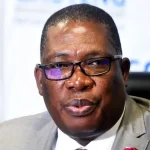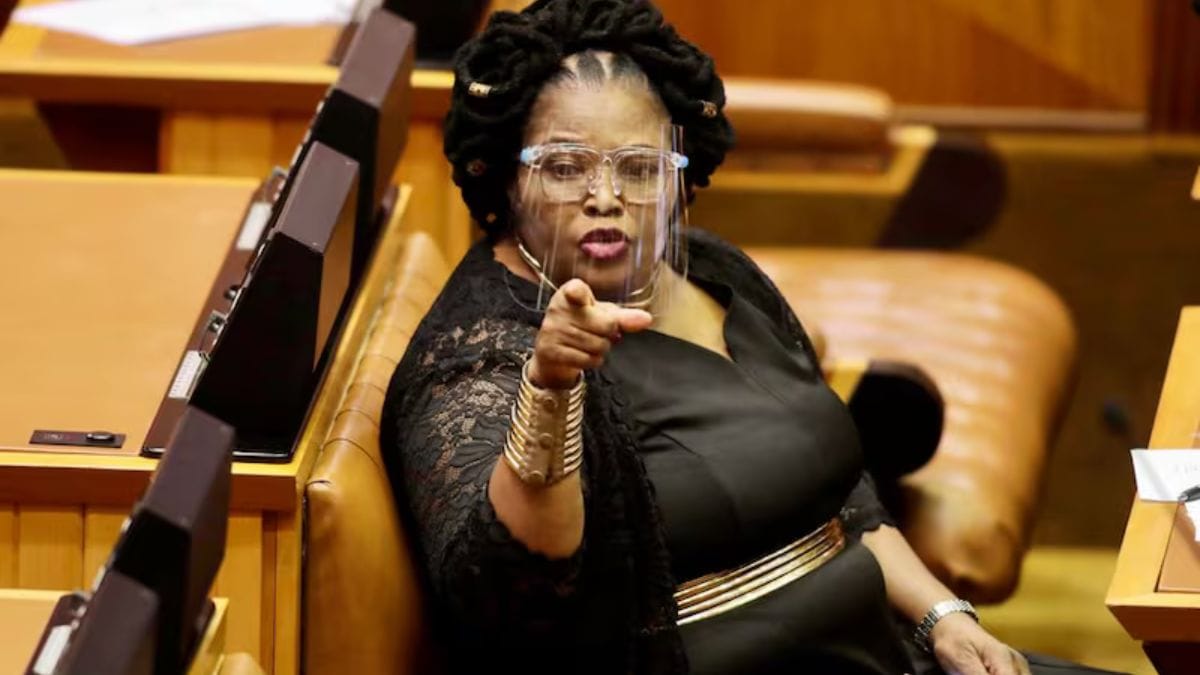
Majodina Urges Gauteng Residents to Stay Patient as parts of Johannesburg and surrounding metros continue to face prolonged water outages. The Minister of Water and Sanitation, Pemmy Majodina, says the government is working to stabilise supply. However, infrastructure failures and funding gaps continue to disrupt communities across Gauteng.
The Joburg Water Crisis has triggered public frustration, protests, and political pressure. Yet officials insist that interventions are underway to restore supply and prevent further system collapse.
Majodina Urges Gauteng Residents to Stay Patient as Repairs Continue
Speaking during oversight visits in Johannesburg, Majodina acknowledged residents’ frustration. She confirmed that technical teams are addressing infrastructure breakdowns and pump station failures.
“We are attending to their challenges. We are going to develop a clear plan on the turnaround in terms of interventions and the time it’s going to take, so that we can restore water on time. All inconveniences that have been caused are highly regrettable.”
She added that the government would not abandon affected communities.
“Whilst I’m saying there is water, there are still challenges in some of the areas… we are not going to leave those residents behind.”
These remarks follow weeks of inconsistent supply in areas such as Randburg, Brixton, Melville, and parts of the West Rand.
ALSO READ: Petrol Price Warning in South Africa, What Drivers Need to Know Now
What Is Driving the Joburg Water Crisis?
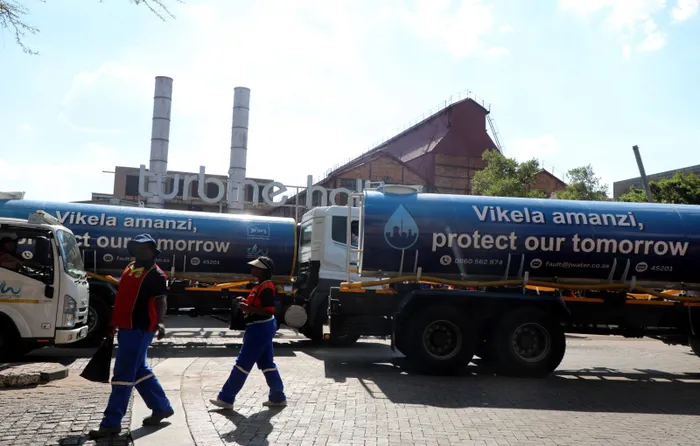
Several structural problems continue to affect Gauteng’s water system.
1. Ageing Infrastructure
South Africa’s municipal water systems face severe deterioration. The Department of Water and Sanitation estimates that R400 billion is needed to repair and upgrade infrastructure nationwide.
Majodina admitted that the fiscus cannot currently meet this full requirement.
2. High Water Losses
According to the Department of Water and Sanitation (dws.gov.za), South Africa loses approximately 41% of its municipal water through leaks and non-revenue losses. This figure places major strain on supply networks.
3. Power Failures and Pump Station Disruptions
Load shedding and electricity instability have also disrupted water pumping operations. Johannesburg Water has repeatedly cited power interruptions as a cause of reservoir depletion.
4. Population Growth in Gauteng
Gauteng remains South Africa’s economic hub. Rapid urbanisation has increased water demand beyond designed capacity in many systems.
Government’s Response Plan
Majodina says coordination between the national government, Rand Water, and municipalities has improved. Key interventions include:
- Accelerated pump station maintenance
- Infrastructure refurbishment programmes
- Reservoir balancing strategies
- Water conservation campaigns
Rand Water has also implemented system throttling measures to stabilise bulk supply.
(Source: Rand Water – randwater.co.za)
However, critics argue that these actions should have started years ago.
Political and Public Reaction
Opposition parties have criticised the handling of the Joburg Water Crisis. The Democratic Alliance has threatened legal action, citing governance failures.
Residents have staged protests in several suburbs. Many demand clear timelines for permanent solutions.
Despite this, experts warn that infrastructure recovery will take time. Municipal engineering specialists note that water systems require phased upgrades rather than quick fixes.
Frequently Asked Questions (FAQ)
Why is Gauteng experiencing water shortages?
Ageing infrastructure, high water losses, rising demand, and pump failures drive the crisis.
How much funding is needed to fix the system?
The government estimates that at least R400 billion is required nationally.
Has the water supply improved?
Some areas have seen restoration. However, instability continues in parts of Johannesburg.
The Joburg Water Crisis highlights deeper governance and infrastructure challenges. While Majodina urges residents to remain patient, long-term reform remains essential.