South Africans will head to the polls for the Local Government Elections (LGEs) between November 2026 and January 2027. The Independent Electoral Commission (IEC) has confirmed the dates, marking a critical moment in the country’s democratic process. These elections will determine who leads municipalities, directly impacting service delivery and governance at the local level.
Election Timeline and Legal Requirements
South Africa’s municipal councils serve fixed five-year terms, with elections held every five years to ensure smooth transitions in local leadership. According to the Constitution and Municipal Structures Act, elections must occur no later than 90 days after the term ends.
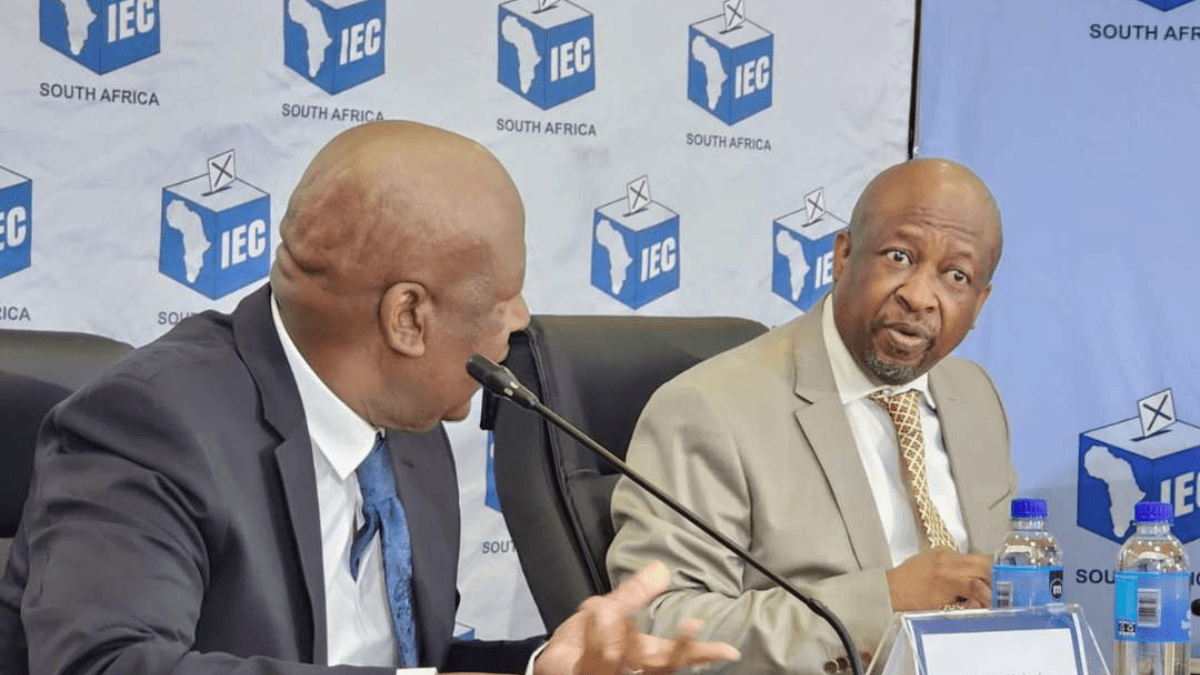
IEC CEO Sy Mamabolo confirmed during a media briefing on 26 August 2025:
“The law provides that municipal council terms are five years and that elections must be held no later than 90 days after the end of the term. The current municipal councils were elected on 1 November 2021. This means that the current term will end on 2 November 2026. Therefore, the general elections of municipal councils fall due between 2 November 2026 and the end of January 2027.”
This timeframe is crucial for maintaining democratic integrity and continuity at the local government level.
Ward Boundaries and Councillor Numbers
One key element of the elections is ward delimitation, which helps ensure that each municipality’s representation is fair. The Municipal Demarcation Board (MDB) will finalise the ward boundaries and hand them over to the IEC by October 2025. This is an important step, as it affects which communities will be grouped together for electoral purposes.
Additionally, Cooperative Governance and Traditional Affairs (CoGTA) has introduced a new formula to determine the number of councillors each municipality will have. According to CoGTA:
“The new formula ensures fiscal responsibility, maintains community cohesion, and supports effective service delivery.”
This formula will shape how local councils are structured, affecting both the number of representatives and how they are elected.
Voter Trends and Political Competition
Between April and August 2025, the IEC conducted 39 by-elections across South Africa, with an average voter turnout of 41.58%. While voter participation in these by-elections was lower than expected, it provides a glimpse into what the general elections might look like in 2026.
In addition, South Africa is seeing increased competition among political parties. Since the May 2024 general election, 34 new parties have registered, bringing the total to 472 parties. This includes smaller, locally focused parties vying for influence at the municipal level. However, this also raises concerns about fragmented councils, as many parties may struggle to form stable coalitions.
Accountability and Service Delivery
The 2026 elections will be held against the backdrop of ongoing concerns about local government performance. The Auditor-General’s 2023/24 report highlighted persistent issues in municipal financial management and accountability, warning that many local governments are still not meeting basic service delivery expectations.
As Frontline Africa noted:
“Unless tangible reform follows, the political fallout will be real. Voters will ask, ‘If the money is there, where are the services?’”
These concerns will weigh heavily on voters’ minds when they head to the polls in 2026.
Political Shifts and Coalition Dynamics
The 2024 general election marked a significant shift in South African politics, with the African National Congress (ANC) experiencing a sharp decline in voter support. The party won only around 40% of the national vote, and its local government support fell to just 45.59% in the 2021 elections, its lowest showing since 1994.
In response, new political forces, such as the uMkhonto weSizwe (MK) Party and the South African Communist Party (SACP), are planning to contest the 2026 elections. Their entry into the political landscape could further alter dynamics in key metros like Johannesburg, Tshwane, and eThekwini, where coalition governments have already proven unstable.
A Human Sciences Research Council (HSRC) study revealed that three in ten South Africans are dissatisfied with municipal performance. This voter frustration will likely influence the upcoming elections, as citizens demand change and better governance at the local level.
Preparing for the Polls
As we approach the 2026 elections, the IEC is preparing to launch formal stakeholder engagements in November 2025. These sessions will guide political parties and independent candidates through the legal requirements of the election process and help them understand the system that converts votes into seats.
Additionally, the South African government has approved the establishment of an Inter-Ministerial Committee (IMC) to oversee the elections. This committee, led by the Minister of Cooperative Governance and Traditional Affairs (CoGTA), will work alongside the IEC and security agencies to ensure free, fair, and peaceful elections.
Why the 2026–2027 Local Government Elections Are Important for South Africa
The Local Government Elections are not just about who will hold office, they will shape the future of South Africa’s local governments. Here’s what voters can expect:
- New ward boundaries will be in place by October 2025.
- Councillor numbers will be adjusted according to the new CoGTA formula.
- Increased competition as new political parties make their mark.
- Pressure on municipalities to demonstrate real accountability, especially after the Auditor-General’s warnings.
- Coalition politics will continue to influence major urban metros, making stability a concern.
These elections will decide the future of South African municipalities. They will determine how resources are allocated, how services are delivered, and whether local governments can regain public trust. The outcome will not only affect service delivery, but also set the stage for political stability and governance in the coming years.
Also Read: Electronic Voting in South Africa: What It Really Means for Future Elections