South African Quick Brief (2026)
In short: This 2026 South African SASSA guide gives clear payment context, verification steps, and practical next actions for beneficiaries.
Who This Helps
- SASSA beneficiaries checking payment timing and updates.
- Households planning around grant-payment cycles.
- Readers needing trusted official verification routes.
Action Funnel (Gauteng and South Africa)
- Start with the quick summary to confirm the relevant payment context.
- Verify dates and requirements on official SASSA/government links.
- Use linked hubs for broader grant and support updates.
Entity Snapshot
- SASSA grants
- Payment-date context
- Beneficiary verification
- Official service portals
- 2026 South African updates
Fast FAQ
Are these final official dates?
Use this guide for context, then confirm final dates on official SASSA channels.
Is this content aligned to 2026 intent?
Yes. The structure and links were refreshed for 2026 relevance.
What should I do before acting?
Verify details on official portals and only then proceed.
Next Internal Steps
2026 Refresh: This guide has been updated for 2026 with stronger structure, South African context, improved internal links, and current source references. Last reviewed: 3 March 2026
Quick Answer (2026)
This 2026 South African SASSA guide explains payment context, verification steps, and practical next actions for beneficiaries.
What Changed for 2026
- Year-specific references were refreshed for 2026 search intent.
- Internal linking was aligned to current Gauteng.News hubs and categories.
- Official-source links were added to support verification before decisions.
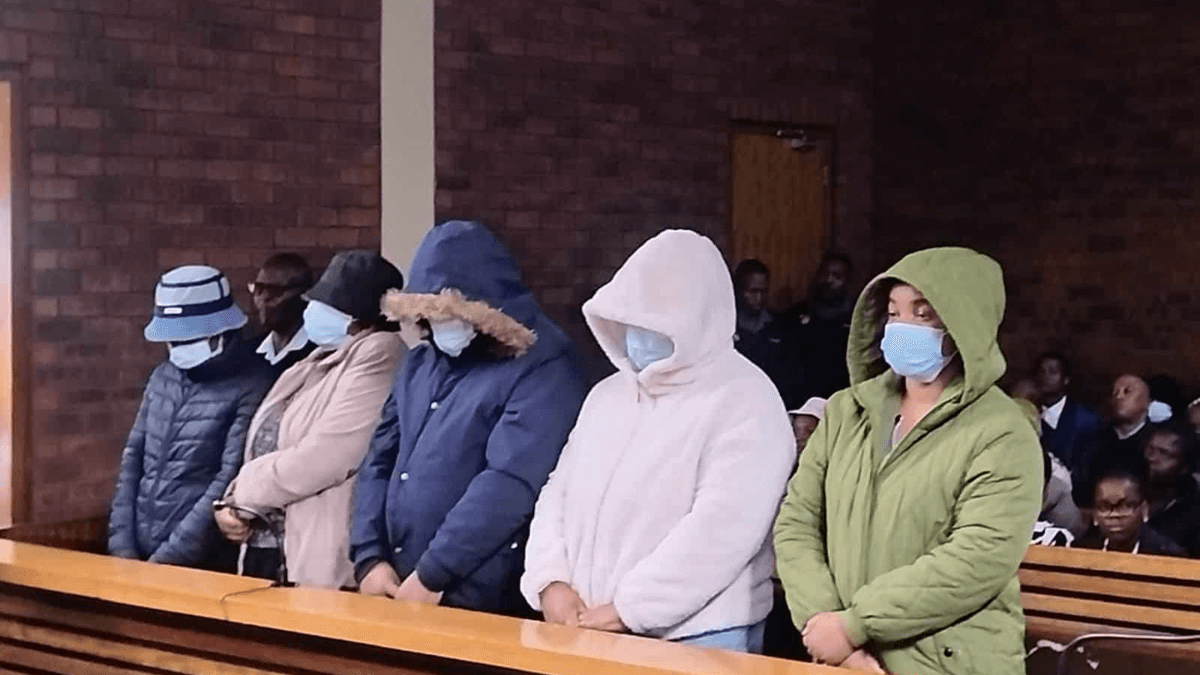
Gauteng High Court rejects urgent bail application of Phumelele Myeza in complex Sassa fraud case involving over 1,000 charges and R4 million in stolen grants.
Sassa R4M Fraud Case: The Gauteng High Court in Johannesburg has dismissed an urgent bail application by Phumelele Myeza, one of the eleven accused in the high-profile R4 million Sassa fraud case, citing insufficient evidence and a still-pending application before the Lenasia Magistrate’s Court.
This ruling marks a pivotal development in a fraud saga that has rocked the South African Social Security Agency (Sassa) and captured national attention due to its scale, complexity, and the involvement of insiders.
A Fraudulent Scheme Unveiled
According to the National Prosecuting Authority (NPA), Myeza and her co-accused—eight of whom are reportedly Sassa employees—allegedly conspired to create fake Sassa beneficiary profiles. These profiles were used to funnel more than R4 million in social grant funds into their control, which were later withdrawn at multiple Sassa pay points.
The group faces over 1,000 charges, including cybercrime, fraud, and identity theft.
High Court Weighs In: No Bail, No Irregularities
Senior State Advocate Matshediso Phatlanyane argued strongly against granting bail to Myeza, emphasizing that her approach to the high court was premature given the ongoing process in the magistrate’s court.
Phatlanyane stated that the lower court had requested further evidence to rule on the bail applications and that there were no procedural irregularities necessitating high court intervention.
The Johannesburg High Court agreed with this reasoning, ruling that Myeza had failed to present adequate evidence to justify her urgent bail request.
Pending Decisions and Postponements
The Lenasia Magistrate’s Court is expected to continue with bail proceedings on 10 and 11 June 2026, during which the NPA may present key witness testimony and potentially set a trial date.
This case has faced multiple delays since it first made headlines in 2026, further intensifying public interest and scrutiny.
Witness Interference Allegations Denied
The defence alleged that Sassa officials visited some of the accused in prison to coerce them into signing documents, suggesting potential witness tampering.
However, state prosecutors rejected this claim, clarifying that the visits were related to internal disciplinary procedures and bore no relation to the criminal proceedings.
Complex Crime, Complex Justice
Legal analysts have labelled this case as a “textbook example of internal corruption” exploiting vulnerabilities within the social welfare system. The creation of non-existent beneficiaries to divert public funds is seen as a severe betrayal of trust by those entrusted to protect South Africa’s most vulnerable citizens.
As the legal process unfolds, South Africans are watching closely to see how the courts will deal with the abuse of public resources intended for social upliftment.
Official Sources for Verification
Related Gauteng.News Resources
More 2026 Guides
This page supersedes the earlier edition for search and user navigation.